

KONSTANTINOS S. GALANAKIS / CEO of Elvictor Group
A Modern Architect of Human-Centered, Digitally Driven Crewing Konstantinos S. Galanakis stands as one of the most distinctive voices in today’s global manning and crewing landscape. At a time when the maritime industry is racing to modernize—balancing digital transformation, regulatory pressure, and the welfare of seafarers—he has developed a rare, practitioner-driven perspective that blends operational experience, human-centered leadership, and a deep respect for the Filipino maritime workforce.
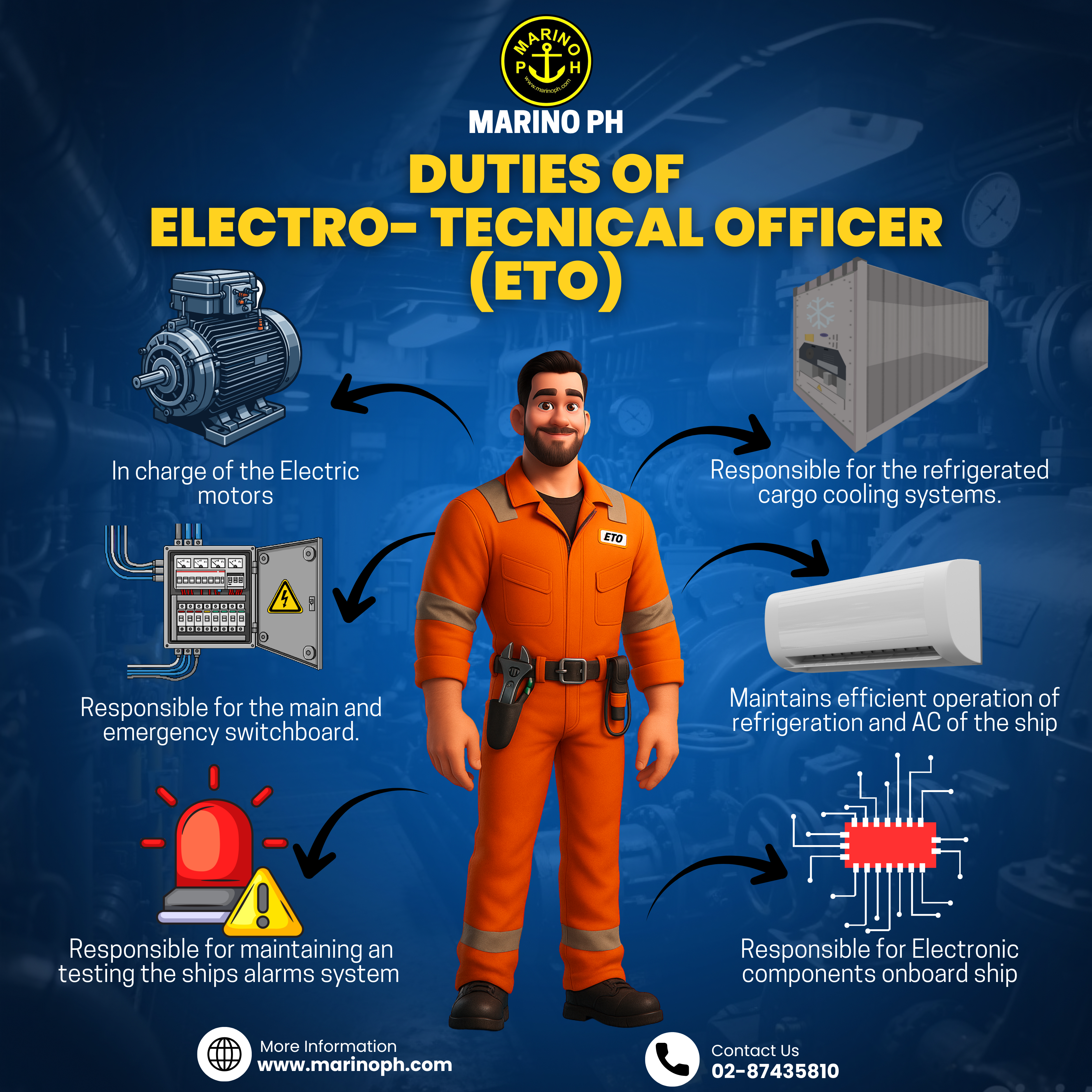
Duties of an Electro-Technical Officer (ETO) An Electro-Technical Officer (ETO) plays a critical role in ensuring the safe and efficient operation of a vessel’s electrical, electronic, and automation systems. As a key member of the engine department, the ETO is responsible for maintaining essential equipment that supports navigation, cargo operations, safety systems, and onboard living conditions. The ETO is in charge of the ship’s electric motors and power distribution systems, ensuring that machinery operates reliably at all times. This includes the maintenance and monitoring of the main and emergency switchboards, which are vital for uninterrupted electrical supply during both normal operations and emergency situations.

Engine Room Fire Brought Under Control on Car Carrier off German Coast
Engine Room Fire Brought Under Control on Car Carrier off German Coast An engine room fire aboard the car carrier Thames Highway was successfully extinguished after breaking out while the vessel was sailing in the North Sea off the coast of Germany. The incident occurred shortly after the ship departed the port of Emden, prompting an immediate emergency response from German maritime authorities. Upon detection of the fire, the crew activated onboard emergency procedures and isolated the affected engine room to contain the blaze. The vessel subsequently lost propulsion and was forced to remain stationary while response units were mobilized. All crew members on board were reported safe, with no injuries recorded. Germany’s maritime emergency coordination center deployed firefighting specialists and support vessels to the scene to assist with securing the ship and ensuring the fire was fully extinguished. Helicopter teams were also dispatched to assess conditions on board and verify that there were no remaining hotspots.

Cargo Vessel Takes on Water During Cargo Operations in Norway
Cargo Vessel Takes on Water During Cargo Operations in Norway A cargo vessel experienced water ingress while conducting cargo operations at a port facility in Norway, prompting an immediate response from local maritime and emergency authorities. The incident occurred while the ship was alongside the quay, raising concerns over vessel stability during the loading process. According to initial reports, the vessel began taking on water during routine cargo handling operations, leading to a noticeable list. Authorities were alerted as a precautionary measure to ensure the safety of the crew, port infrastructure, and the surrounding marine environment. Emergency services, including maritime rescue units, were dispatched to the scene. All crew members on board were reported safe, with no injuries sustained during the incident. As a safety measure, cargo operations were suspended while response teams assessed the vessel’s condition and implemented stabilization efforts to prevent further flooding.
France Detains Captain After Seizing Russian-Linked Tanker in Mediterranean
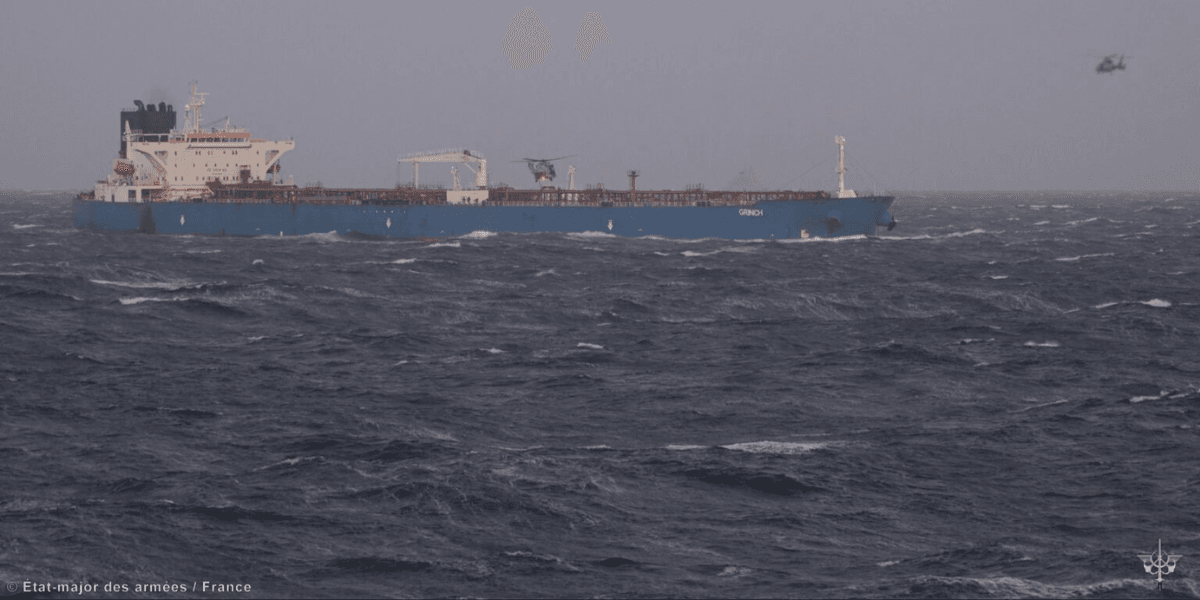
Paris, France — French authorities have detained the captain of the oil tanker Grinch following its interception and seizure by the French Navy in the Mediterranean Sea earlier this week. The tanker, which departed from the Russian port of Murmansk in early January, was stopped on suspicion of operating under a false flag and being part of a so-called “shadow fleet” used to circumvent Western sanctions on Russian oil exports, according to the Marseille prosecutor’s office. The 58-year-old captain, an Indian national, was placed into judicial custody on preliminary charges linked to the validity of the vessel’s registration and flag state documentation after the ship was diverted to anchor off the port of Marseille-Fos. Other crew members, who are also Indian nationals, remain aboard the tanker as investigators verify its navigation documents and compliance with international maritime regulations. French naval forces carried out the high-sea interception on Grinch in the western Mediterranean, between the southern coast of Spain and northern Morocco, last Thursday. The ship was reportedly flying a Comoros flag which authorities say may be a facade at the time of the boarding operation. This operation marks one of several recent European efforts to enforce sanctions intended to restrict Russia’s revenue from oil sales related to its war in Ukraine, with the vessel’s seizure reflecting growing international pressure on these “shadow fleet” operations. French President Emmanuel Macron publicly reaffirmed France’s commitment to upholding international law and sanction enforcement following the operation. The investigation will examine whether Grinch breached maritime law, including potential misuse of flag documentation and compliance with sanctions regimes, as authorities determine next steps in the case.
Shaping Future Seafarers Through Global Standards and Real Sea Experience
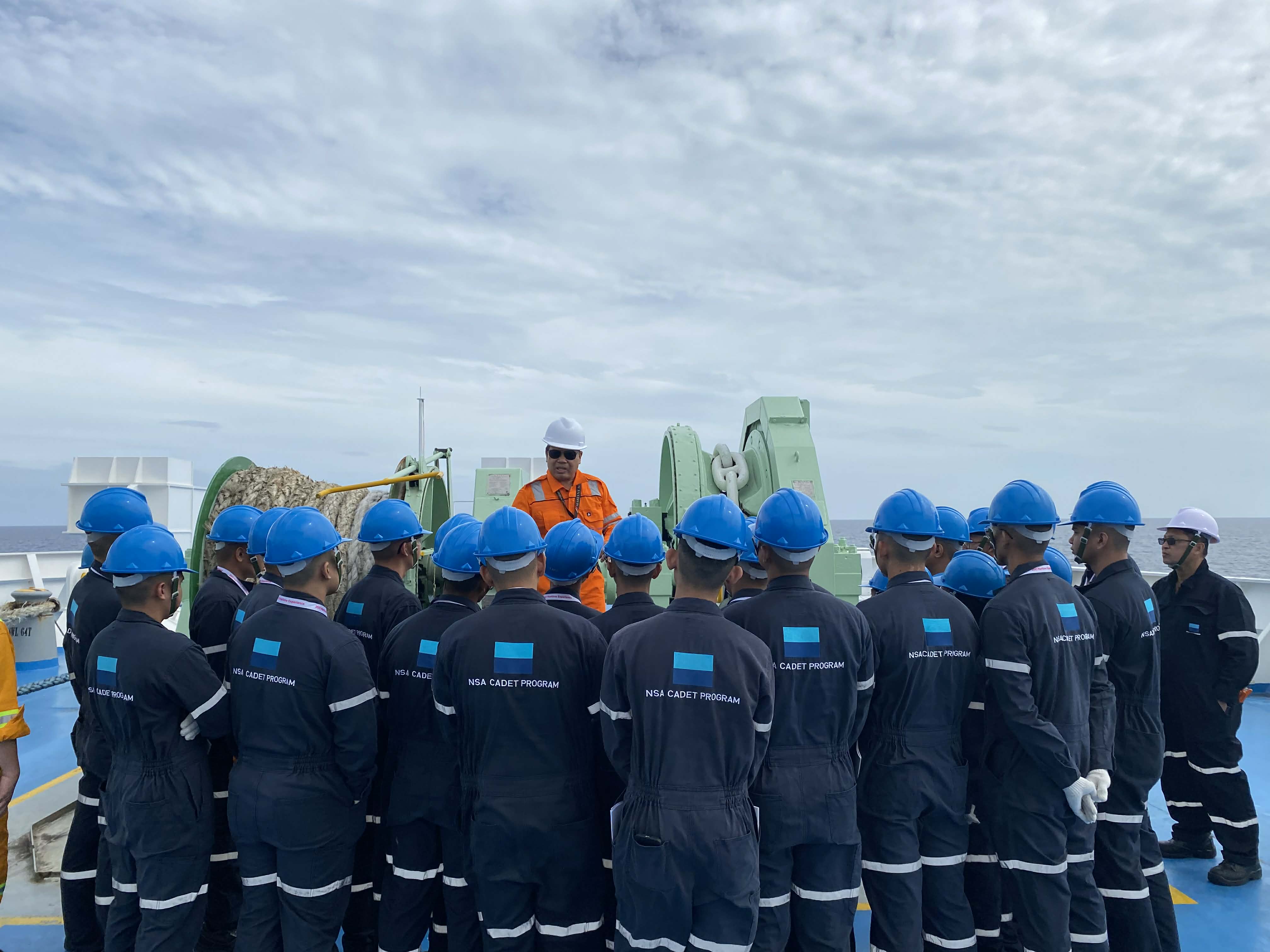
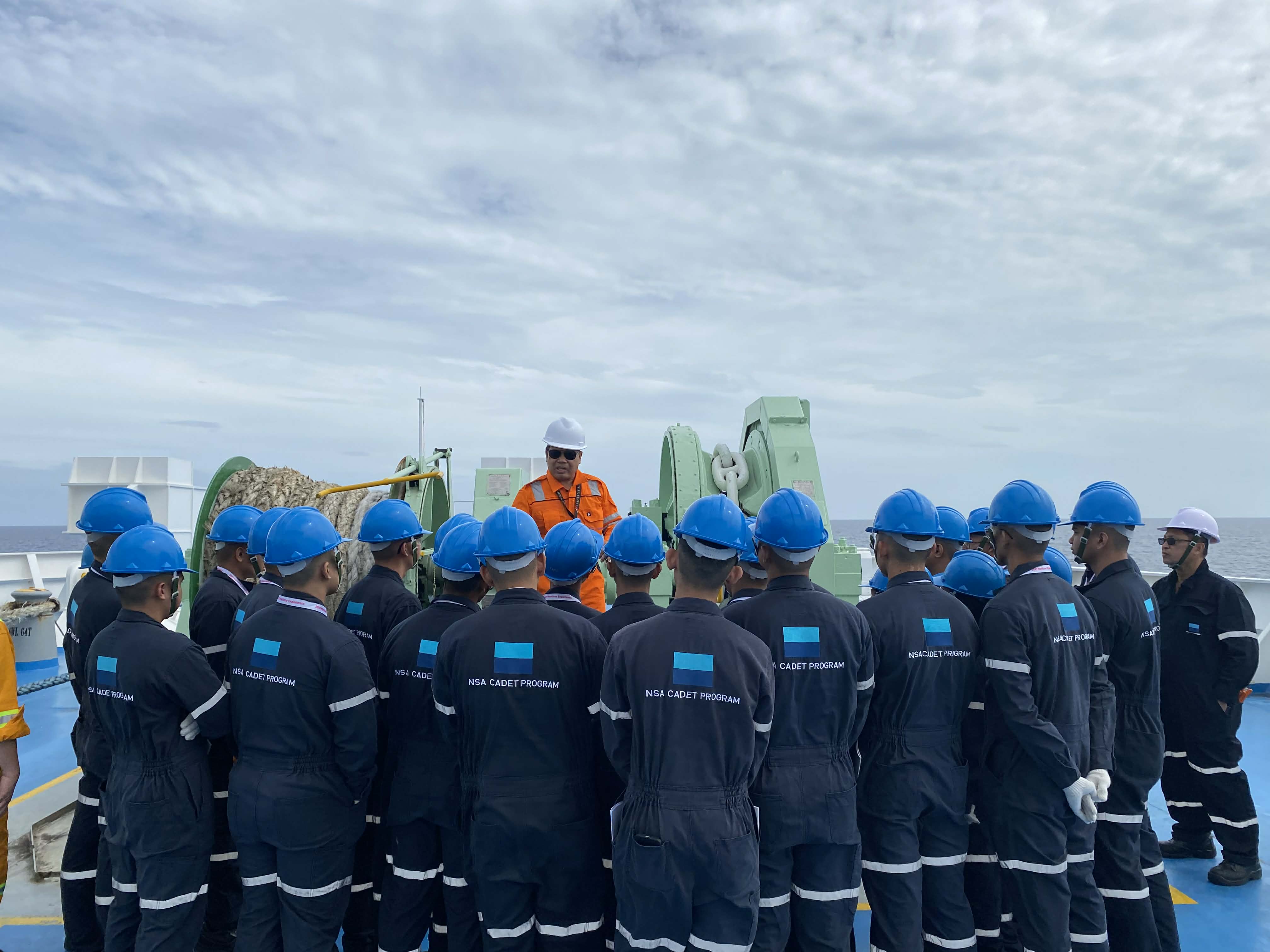
Maritime cadets under the Norwegian Shipowners’ Association (NSA) CADETS Program are currently undergoing intensive Shipboard Familiarization (MAREX), transforming classroom theory into real-world competence through hands-on training at sea. Recognized worldwide for its commitment to safety, excellence, and professionalism, the NSA Cadets Program continues to be a gold standard in developing future maritime leaders.






Shaping Future Seafarers Through Global Standards and Real Sea Experience
Maritime cadets under the Norwegian Shipowners’ Association (NSA) CADETS Program are currently undergoing intensive Shipboard Familiarization (MAREX), transforming classroom theory into real-world competence through hands-on training at sea. Recognized worldwide for its commitment to safety, excellence, and professionalism, the NSA Cadets Program continues to be a gold standard in developing future maritime leaders.
PMMAAI New Year’s Ball, B-Connect and Election
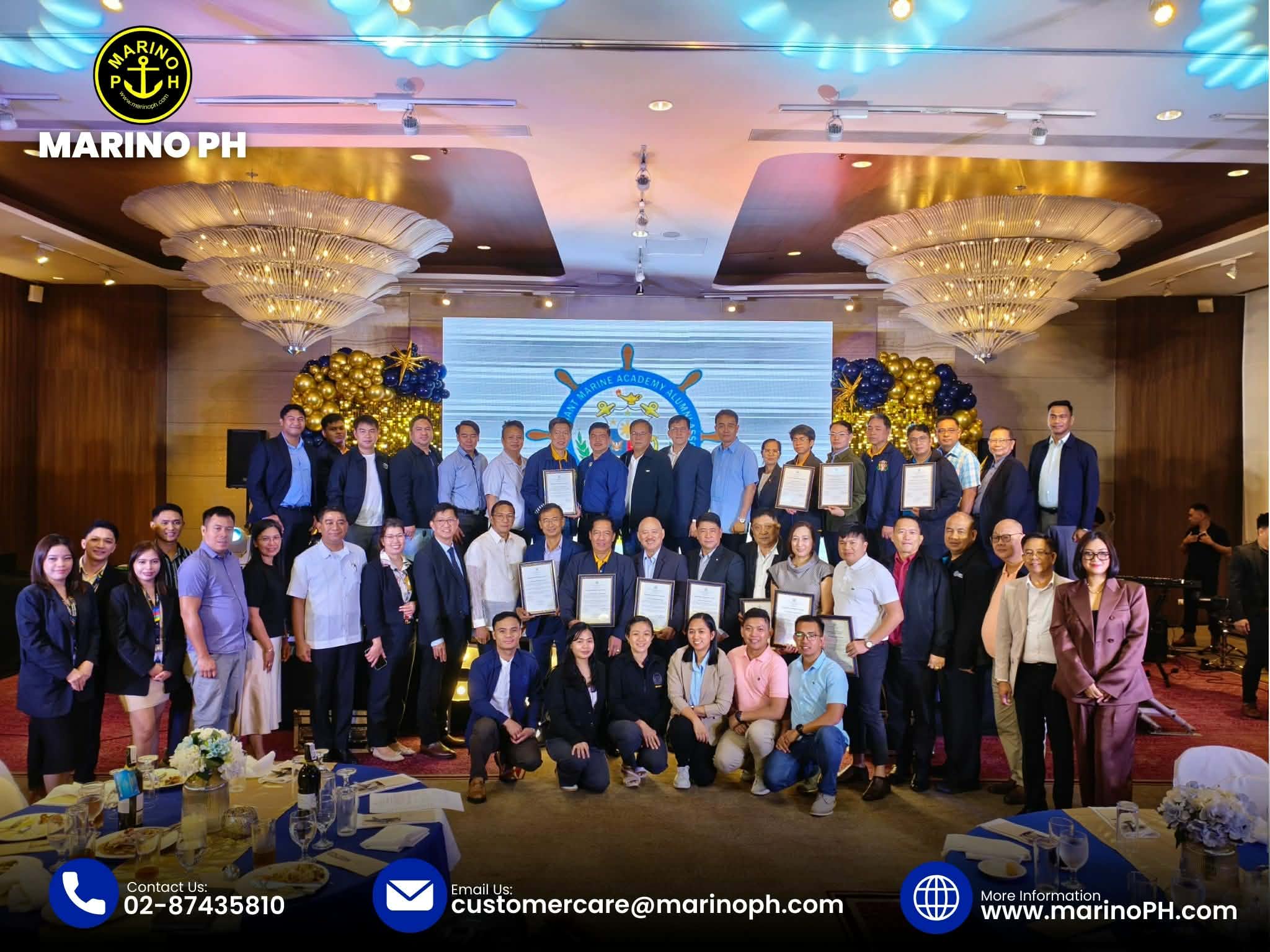
PMMA Alumni Association Hosts New Year’s Ball, Welcomes New Adopted Member, and Announces Elected Leaders for 2026–2027 The Philippine Merchant Marine Academy Alumni Association, Inc. (PMMAAI) successfully held its New Year’s Ball, B-Connect, and Election on January 8, 2026, at One Shangri-La Condominium Corporation, bringing together PMMA alumni from different generations for an evening of fellowship, recognition, and leadership transition.
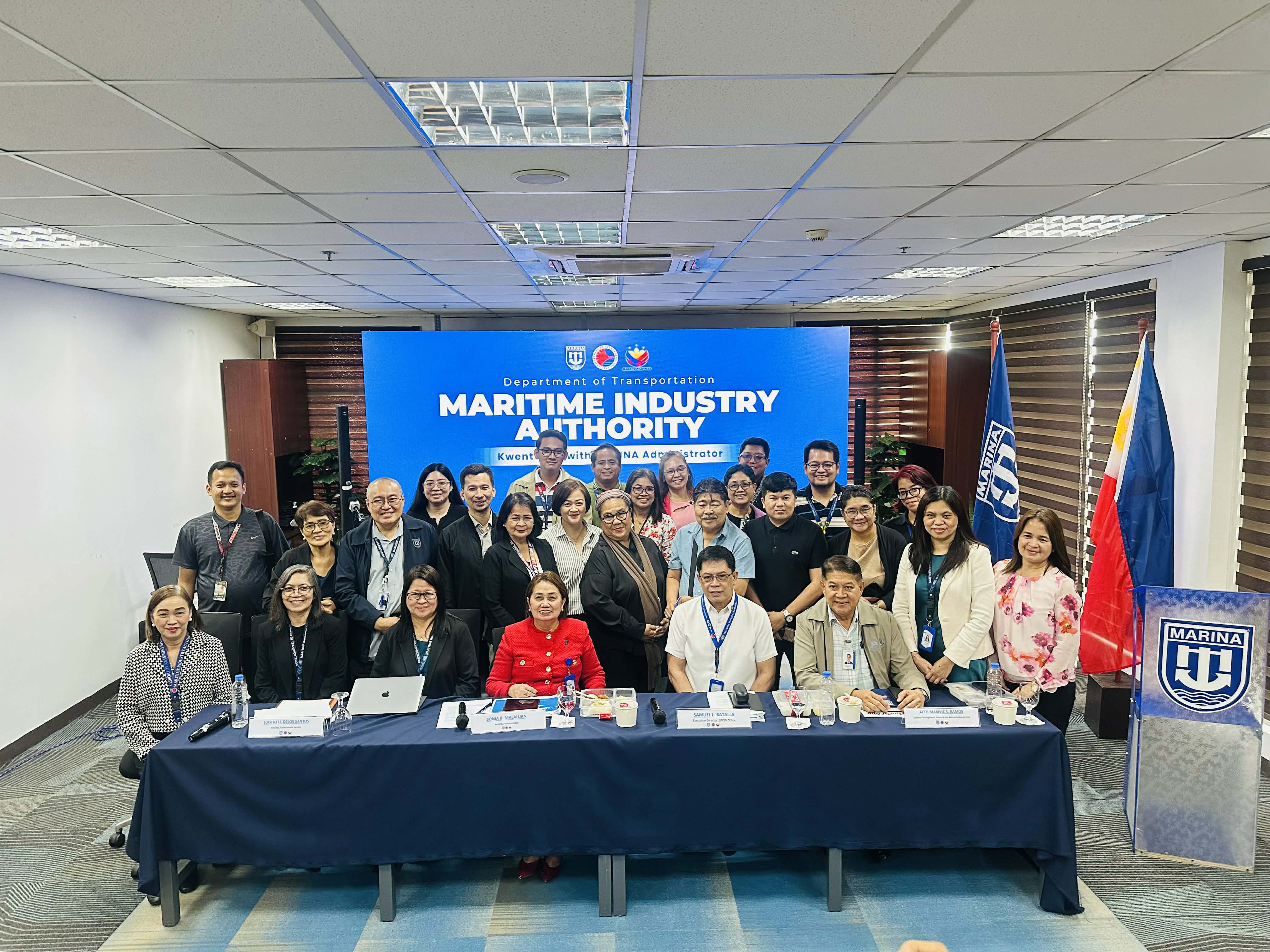
MARINA Presents 2025 Accomplishments, Regulatory Reforms, and Maritime Roadmap at Year-End Press Con
The Maritime Industry Authority (MARINA) presented its major accomplishments, regulatory reforms, and strategic priorities during its Year-End Press Conference held on 16 December 2025 at the 12th Floor Conference Room, MARINA Central Office in Manila.
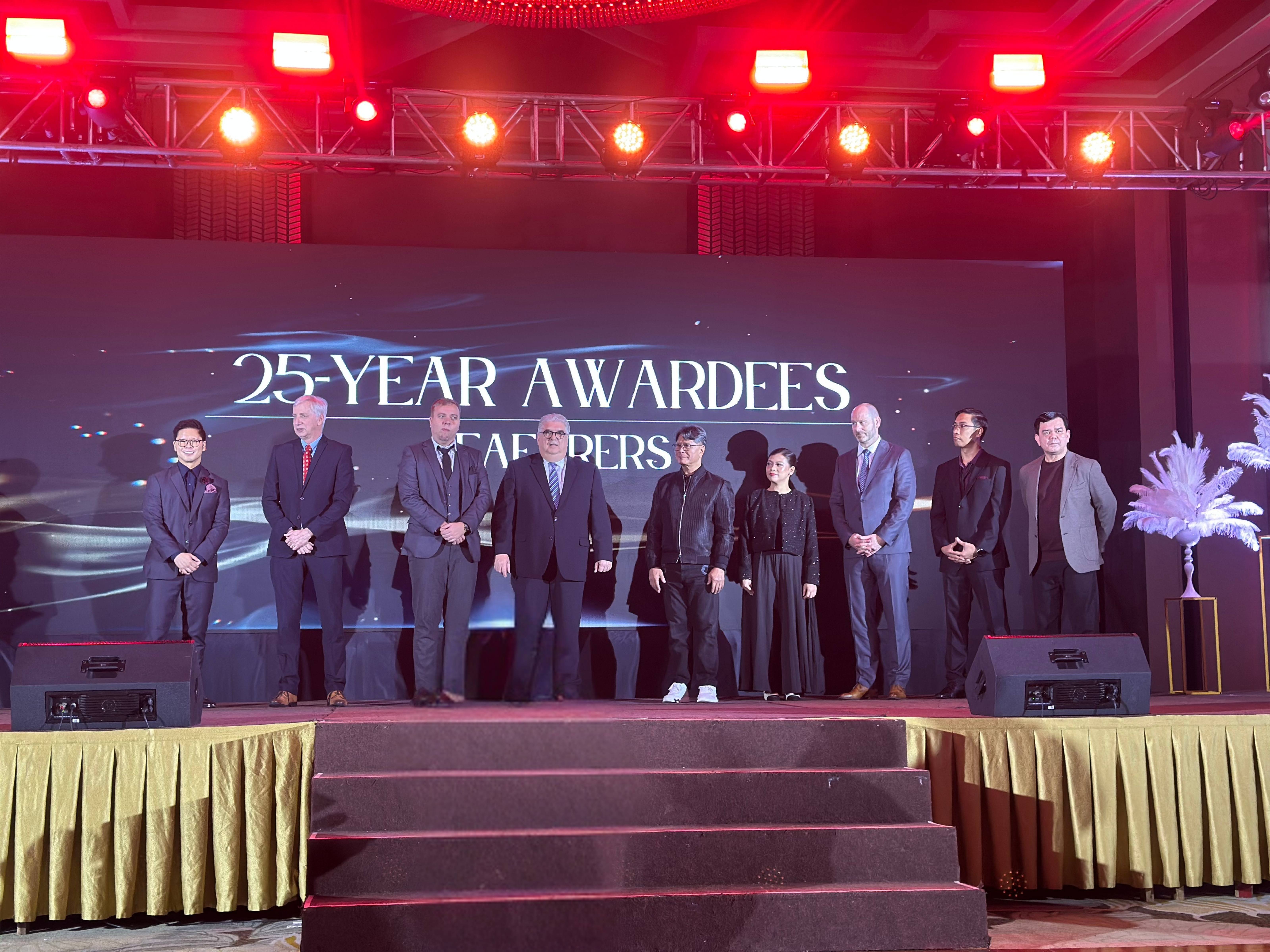
Marlow Navigation Unmasks Excellence at Year-End Masquerade Celebration
Marlow Navigation concluded the year with an elegant and memorable year-end celebration, “Unmask the Extraordinary: A Masquerade Party,” held at the Fiesta Pavilion, Manila Hotel. The event gathered distinguished guests from government, industry partners, stakeholders, employees, seafarers, awardees, and their families, with the presence of a company representative from Cyprus and the strong support of the Directors of Marlow, highlighting the organization’s global reach and unified leadership.
Duties of an Electro-Technical Officer (ETO)
Duties of an Electro-Technical Officer (ETO) An Electro-Technical Officer (ETO) plays a critical role in ensuring the safe and efficient operation of a vessel’s electrical, electronic, and automation systems. As a key member of the engine department, the ETO is responsible for maintaining essential equipment that supports navigation, cargo operations, safety systems, and onboard living conditions. The ETO is in charge of the ship’s electric motors and power distribution systems, ensuring that machinery operates reliably at all times. This includes the maintenance and monitoring of the main and emergency switchboards, which are vital for uninterrupted electrical supply during both normal operations and emergency situations.
.png)
Distress signals are official emergency indicators used by vessels to show that they are in grave and imminent danger and urgently require assistance. These signals are recognized worldwide under COLREGS Annex IV, ensuring that seafarers, coastal stations, and rescue authorities understand the situation instantly—no matter the language or location. Distress signals can be visual, sound-based, or radio-based, such as red star shells, flares, flames on deck, SOS, Mayday calls, smoke, gunfire at one-minute intervals, code flags, dye markers, radio alarms, or waving of arms. Each signal serves the same purpose: to alert others that the vessel or individuals are in a life-threatening emergency. Knowing these signals is essential for all maritime personnel, as they play a critical role in saving lives and enabling fast rescue operations.
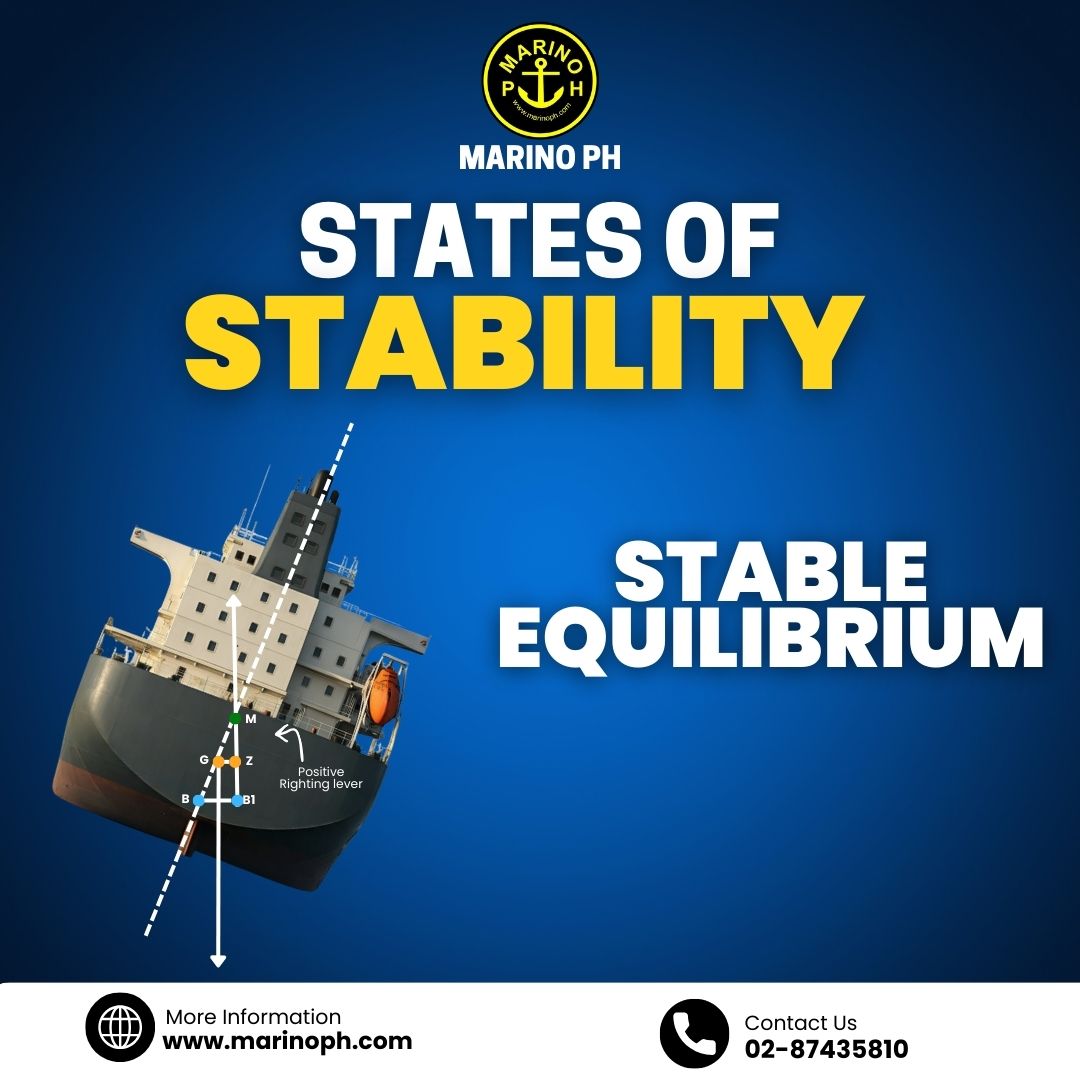
States of Stability of a Cargo Ship
The state of stability of a cargo ship describes how the vessel behaves when it is inclined by an external force such as waves, wind, cargo shift, or turning. It is governed by the relationship between the ship’s center of gravity (G) and metacenter (M). There are three fundamental states of stability: stable, neutral, and unstable. ⸻ 1. Stable Equilibrium (Stable Stability) A cargo ship is in stable equilibrium when, after being inclined by an external force, it naturally returns to its original upright position once the force is removed. This condition occurs when the metacenter (M) is above the center of gravity (G), giving the ship a positive metacentric height (GM). When the vessel heels, a righting moment is created that pushes the ship back upright. In practice, a stably loaded cargo ship feels firm, resists rolling, and recovers quickly from small angles of heel. This is the desired and safest condition for all cargo vessels.
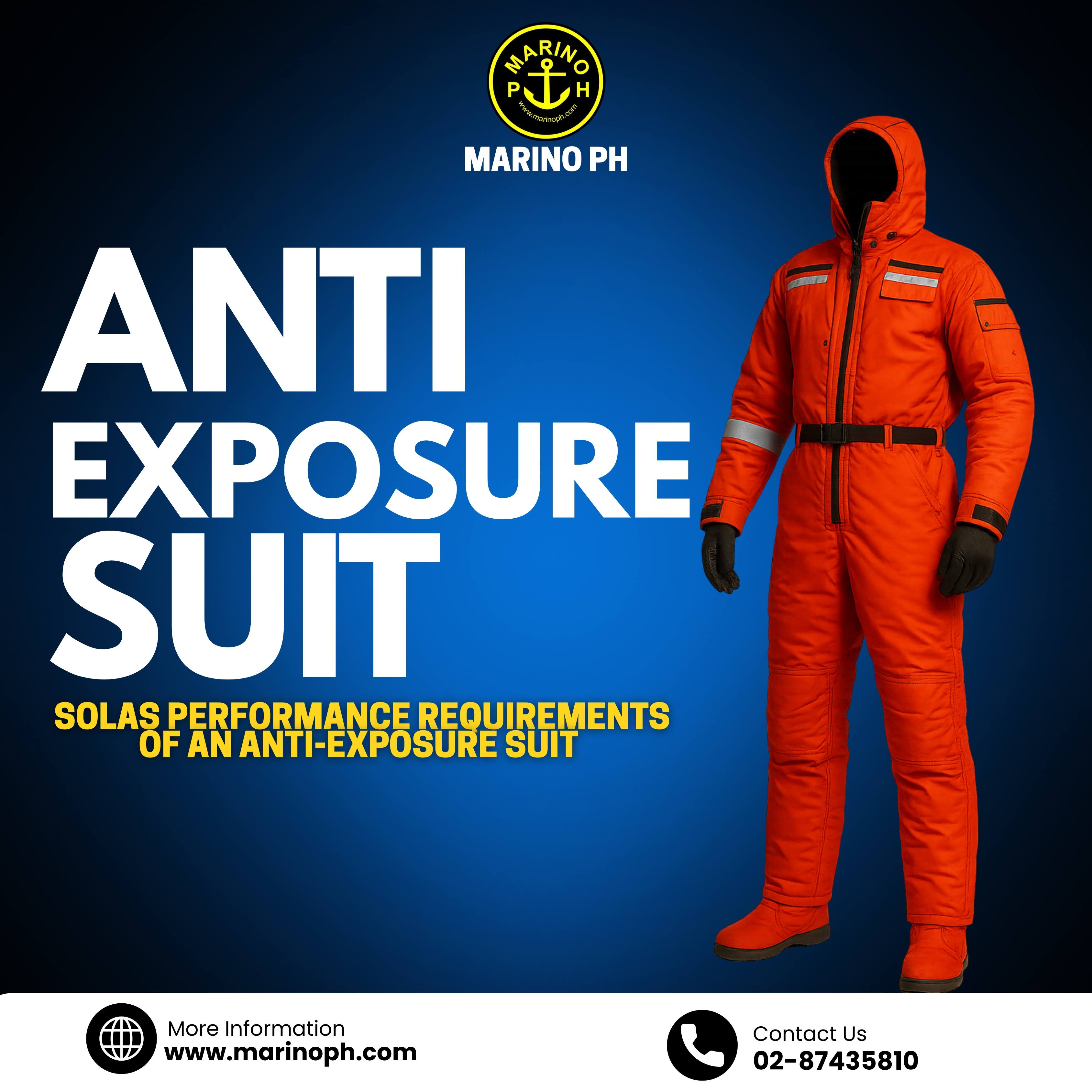
An anti-exposure suit is a specialized protective garment used in the maritime environment to safeguard individuals from the dangers of cold water, extreme weather, and emergency situations at sea. It is typically bright orange for high visibility and made from waterproof, fire-resistant materials that help reduce heat loss and protect the wearer from harsh conditions while performing rescue or evacuation duties. Designed to cover almost the entire body except the head and hands, these suits often include gloves and a hood, and they must be capable of being put on quickly usually within 2 minutes without assistance. They provide inherent buoyancy and thermal protection so that if someone enters cold water, their body temperature drops slowly, helping prevent hypothermia. Anti-exposure suits are also built to allow the wearer to climb ladders, jump into water, swim short distances, don a lifejacket, and carry out evacuation or rescue duties effectively even under stress.

The largest maritime community in the Philippines
© 2025 All Rights Reserved.
+63 (02) 8743 5810
customercare@marinoph.com
Agoncillo Building, 1580 Taft Ave, Ermita, Manila City, 1000 Metro Manila


.png)

