MARINO PH
Your Maritime Digital Hub

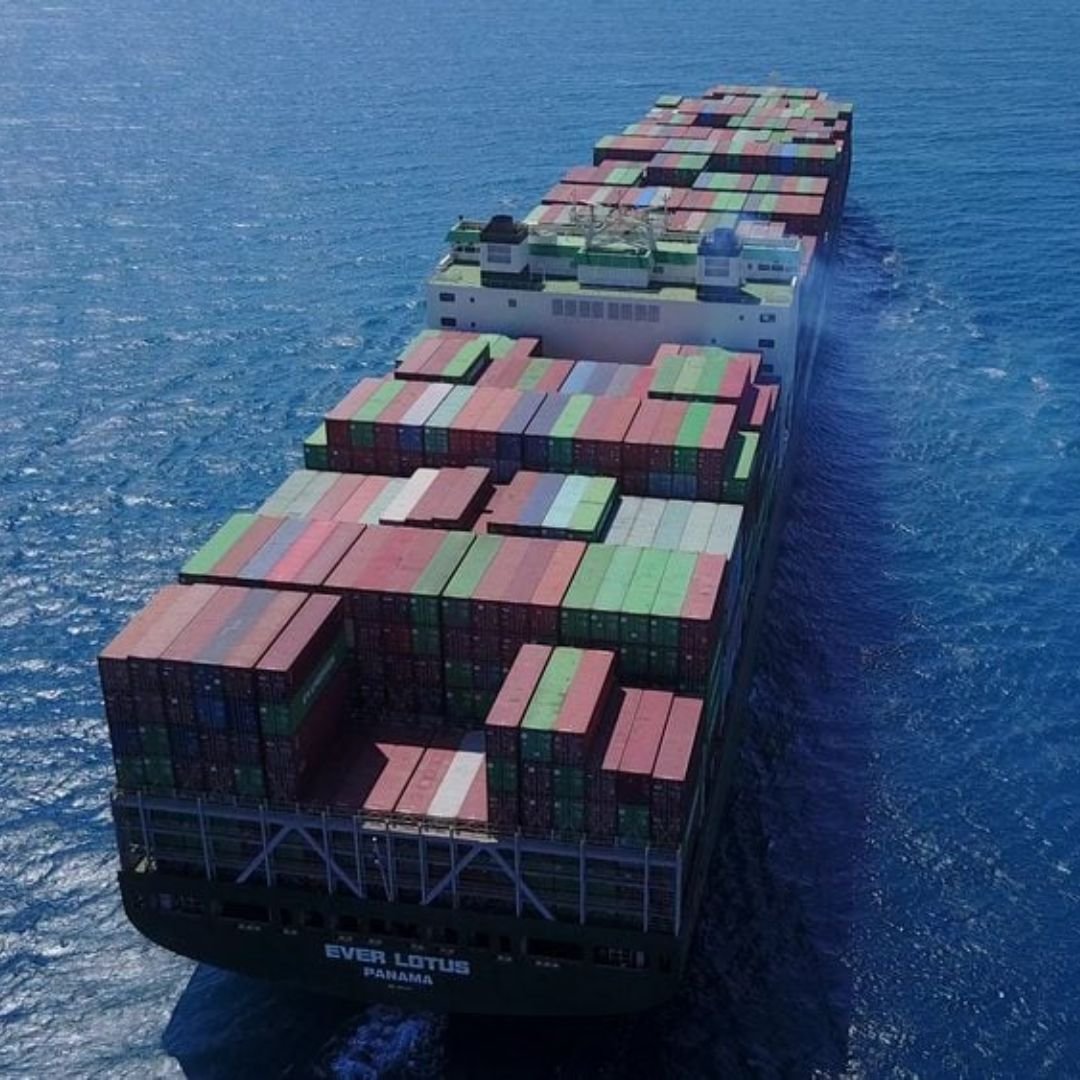
Spain will prohibit ships from discharging wastewater generated by exhaust gas cleaning systems, commonly known as scrubbers, in its ports and internal maritime waters beginning July 1, 2027. The regulation, established under Royal Decree 1006/2026, will apply to all civilian vessels regardless of flag and covers open-loop, closed-loop, and hybrid scrubber systems.
The decision aims to strengthen marine environmental protection by preventing the release of potentially harmful substances into the sea. According to Spanish authorities, scrubber wastewater may contain heavy metals, hydrocarbons, and other pollutants that can contribute to marine pollution and water acidification.

The new regulation goes beyond the requirements established under the 2025 OSPAR Decision 2025/01. While the regional agreement sets July 2027 as the deadline for prohibiting open-loop scrubber discharges and July 2029 for all operating modes, Spain has chosen to implement a uniform prohibition covering all scrubber types by July 2027, including ports and internal waters outside the OSPAR region.
Under the new rules, ships will not be required to remove or replace their existing scrubber equipment. Instead, vessels must stop discharging scrubber wastewater before entering restricted areas. Operators may temporarily switch to low-sulfur marine fuel or retain the wastewater onboard for delivery to appropriate port reception facilities.
However, Spain\'s decision has raised concerns among shipowners. The Spanish Shipowners\' Association (ANAVE) questioned the accelerated implementation timeline, the environmental assessments supporting the restrictions, and the availability of adequate port reception facilities. The regulation also introduces reporting and inspection requirements to ensure compliance, highlighting the growing importance of environmental responsibility in international shipping.
