MARINO PH
Your Maritime Digital Hub

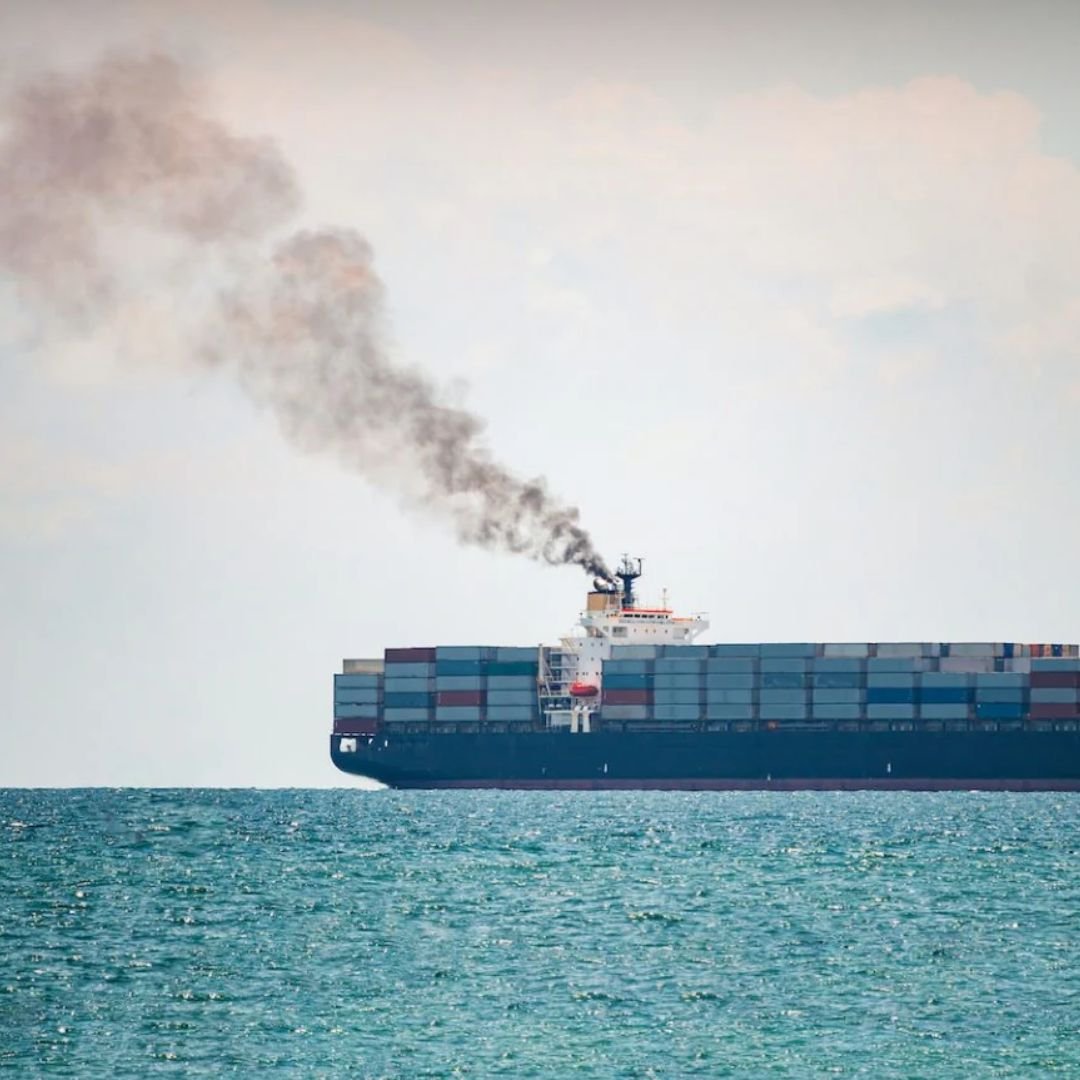
PHOTO COURTESY: BNMK
Nine major international shipping organizations have called on governments to establish a unified global framework for reducing greenhouse gas emissions, warning that continued regulatory uncertainty could hinder investments in cleaner vessels and alternative marine fuels. The appeal was issued on November 18, 2026, ahead of crucial negotiations at the International Maritime Organization (IMO), where member states are expected to revisit proposed measures to accelerate the maritime industry's transition toward net-zero emissions.
The joint statement, supported by organizations including BIMCO, the International Chamber of Shipping (ICS), INTERTANKO, INTERCARGO, and the World Shipping Council (WSC), emphasized the need for practical, enforceable, and globally consistent regulations. The groups reaffirmed their commitment to the IMO's target of achieving net-zero greenhouse gas emissions from international shipping by or around 2050. However, they stressed that regulations must consider the cost and availability of alternative fuels while providing flexible compliance mechanisms for shipping companies.

At the center of the discussions is the IMO\'s proposed Net-Zero Framework, which combines progressively stricter fuel greenhouse gas intensity requirements with a mechanism for pricing certain emissions. The framework was approved in draft form in April 2025, but its formal adoption was postponed in October of the same year following opposition from the United States and several oil-producing countries. Although shipping associations continue to support a global climate agreement, differences remain over carbon pricing, fuel standards, and the methods used to calculate emissions from alternative fuels.
Another major concern involves the potential overlap between international and regional environmental regulations. Several shipping organizations have called for reviewing or harmonizing existing European measures, particularly the European Union Emissions Trading System (EU ETS) and FuelEU Maritime, once a global IMO framework is established. Industry representatives argue that overlapping requirements could increase compliance costs and create unnecessary regulatory burdens for shipowners operating across international waters. Meanwhile, an analysis by InfluenceMap highlighted differences among industry stakeholders regarding the strictness and implementation of proposed emissions regulations.
The renewed appeal comes ahead of the IMO working group meeting scheduled for November 23–27, followed by the 85th session of the Marine Environment Protection Committee (MEPC 85) from November 30 to December 3. A previously adjourned extraordinary session may also resume on December 4 to consider the framework\'s adoption. The outcome of these negotiations could significantly influence future shipbuilding, marine fuel procurement, and investments in decarbonization technologies. Shipping organizations maintain that a unified international agreement is essential to ensure a fair competitive environment while advancing the industry\'s environmental commitments.
