MARINO PH
Your Maritime Digital Hub

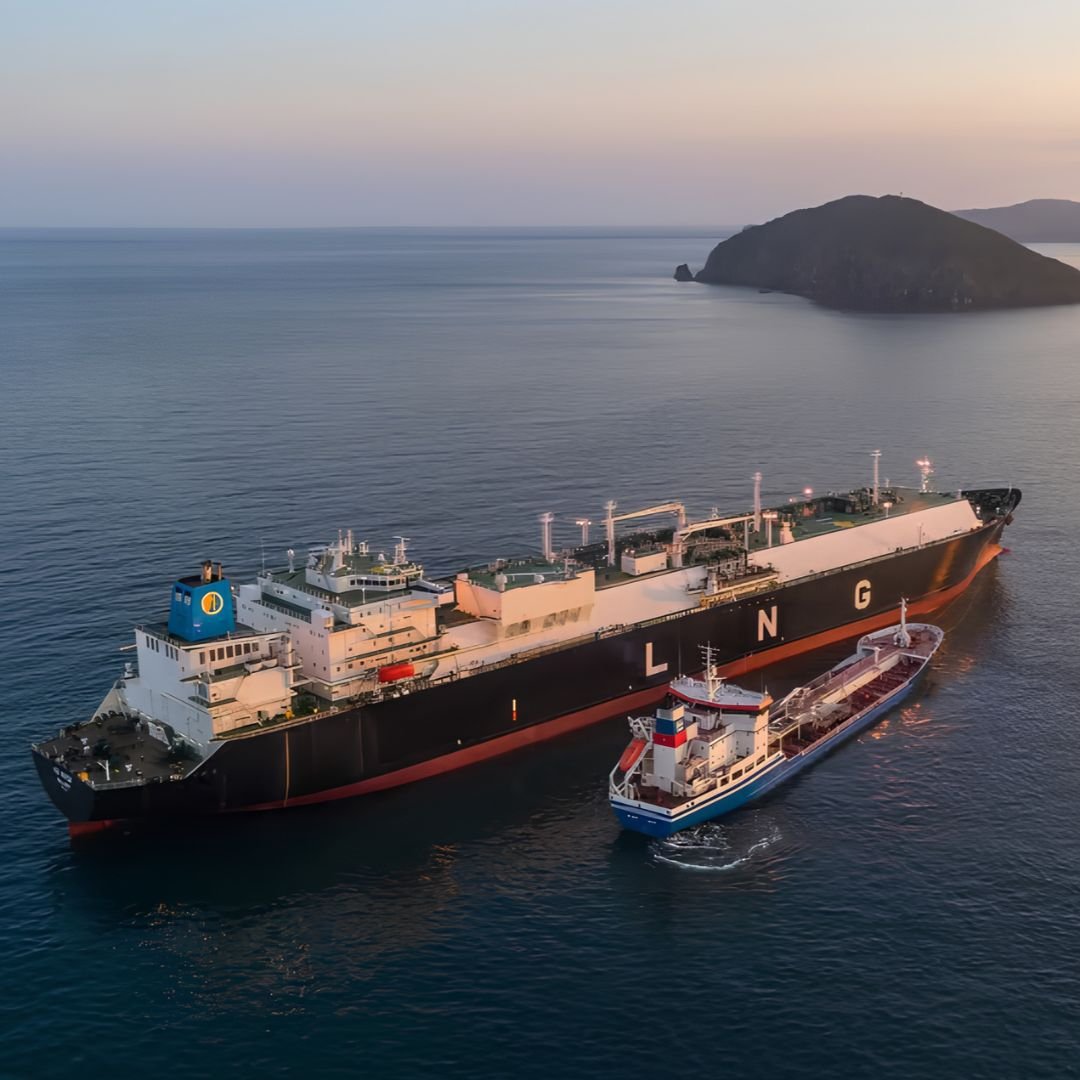
The bunker industry has experienced an extraordinary year in 2026 due to geopolitical conflicts, global supply concerns, and changes in international trade. These challenges have affected fuel availability and prices, creating uncertainty among shipping companies and fuel suppliers. According to the International Bunker Industry Association (IBIA), these issues were among the major topics discussed during its annual conference in New York, where industry leaders shared their experiences and strategies for dealing with disruptions.
Despite these difficulties, the bunker industry has demonstrated resilience and adaptability. Shipping companies and fuel suppliers have strengthened their relationships to manage changing fuel costs and supply conditions. Some companies have also returned to long-term fuel contracts to reduce their dependence on unpredictable market prices. These adjustments show how cooperation and proper planning are important in maintaining stable maritime operations during uncertain situations.

Another major concern discussed was the transition from traditional marine fuels to alternative energy sources. Liquefied Natural Gas (LNG) is currently one of the most developed alternatives, while ethanol, biofuels, and other sustainable options are also gaining attention. However, the industry still faces challenges involving infrastructure, regulations, costs, and fuel availability. Industry leaders emphasized that clear policies and sufficient investments are necessary to support the successful adoption of alternative fuels.
Overall, the bunker industry continues to develop despite the challenges affecting global shipping. The increasing demand for maritime transportation makes reliable and sustainable fuel supplies more important than ever. The industry\'s experience in 2026 highlights the importance of resilience, cooperation, innovation, and preparation for future changes. As the maritime sector continues to evolve, adapting to new technologies and alternative fuels will be essential in supporting a more efficient and sustainable shipping industry.
