MARINO PH
Your Maritime Digital Hub

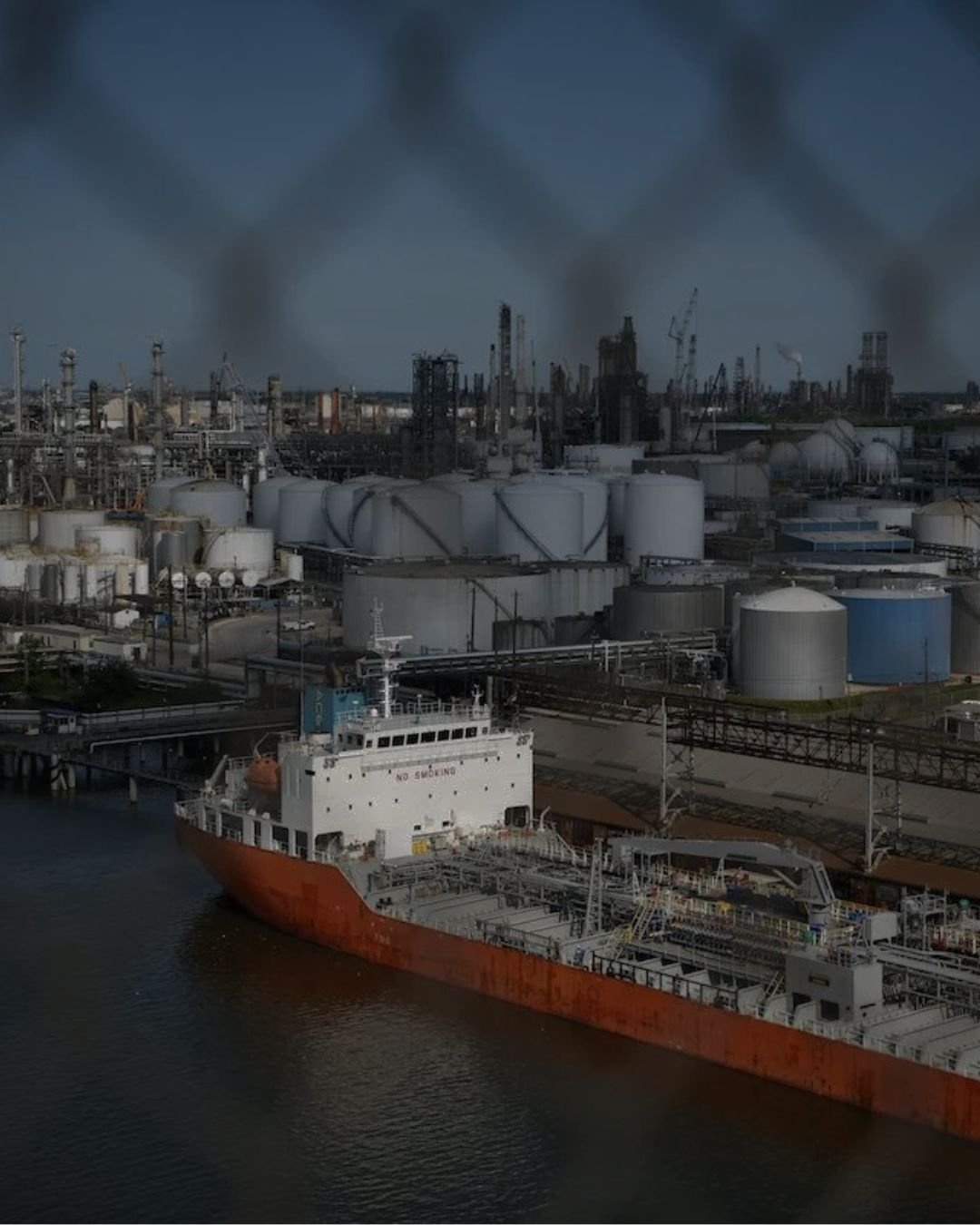
Rising tanker freight rates caused by the ongoing conflict involving Iran are giving oil refiners along the United States Gulf Coast a competitive advantage over Asian refiners. Security threats near the Strait of Hormuz, higher war-risk insurance premiums, and longer shipping routes have increased transportation costs, forcing crude oil sellers to offer larger discounts on heavy crude. US refiners have benefited from access to supplies from nearby countries, including Canada and Venezuela.
According to Valero Energy Executive Randy Hawkins, the cost of transporting crude oil from the US Gulf Coast to Asia has increased to approximately $30 to $35 per barrel, compared with about $5 per barrel a year earlier. Higher freight costs have widened the price difference between Western Canadian Select (WCS) and West Texas Intermediate (WTI), allowing American refiners to purchase heavy crude at lower prices. US refining margins more than doubled during the third quarter of 2026.

Several major US refiners have also reduced their exposure to rising spot tanker rates through shipping agreements secured before the conflict. Phillips 66 reported that it had chartered more than 40 vessels in advance, covering approximately 40% of its shipping requirements. Other refiners, including Valero Energy and Marathon Petroleum, also arranged chartered fleets before freight rates increased significantly.
Industry executives expect discounted heavy crude prices and favorable refining margins to continue into 2027. Marathon Petroleum anticipates processing record volumes of Canadian heavy crude during the fourth quarter of 2026, while its management expects refining margins to remain elevated through at least mid-2027. Meanwhile, Asian refiners continue to face higher transportation and insurance costs when importing crude oil through longer and higher-risk maritime routes.
