MARINO PH
Your Maritime Digital Hub

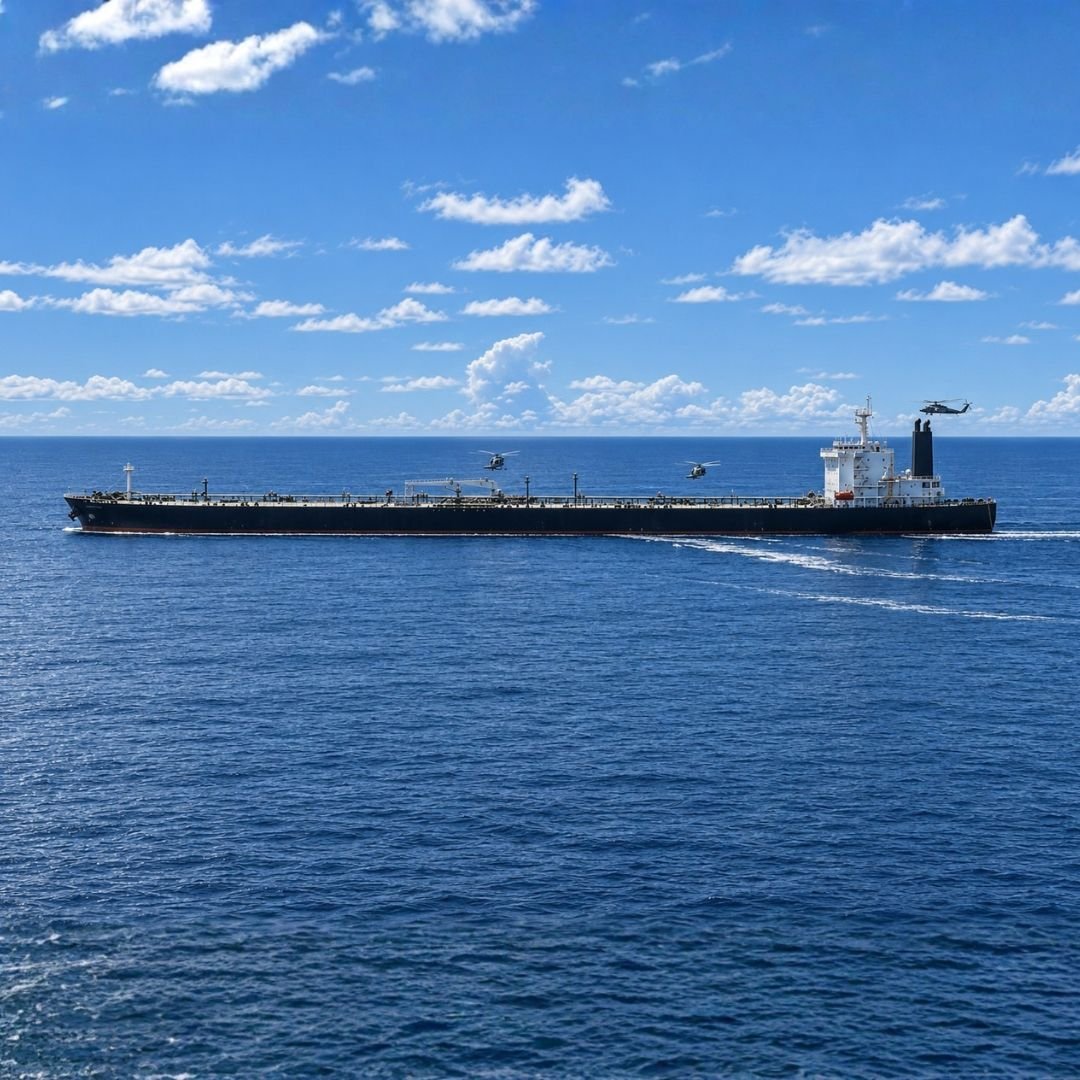
PHOTO COURTESY: Department of War
The United States Department of the Treasury imposed sanctions on November 4, 2026, against a network of individuals and organizations accused of operating fraudulent ship registries that helped Iran’s shadow fleet evade international restrictions. The action, conducted under Operation Economic Outcast, targets an India-based network allegedly led by Suniel Kumar Sharma and his wife, Jaspreet Preeti Shahid, who reportedly provided unauthorized vessel registrations and maritime certifications to tankers transporting Iranian petroleum.
According to the Treasury Department, the network impersonated maritime authorities in several countries, including Guyana, Eswatini, Laos, and Nicaragua. Investigators found that the operators created websites resembling official ship registries and offered vessel registration, seafarer certification, and classification services without proper government authorization. The alleged activities date back to at least 2014 and involved vessels operating under flags they were not legally entitled to fly.

Among the vessels identified by U.S. authorities were the tankers PING SHUN, LATTAFA, BINARY STAR, and VERA, which were linked to the use of fraudulent registration services. The Treasury Department also cited MAJESTIC X, formerly PHONIX, which was seized by U.S. forces on April 22, 2026, while transporting Iranian oil under a falsely claimed Guyana flag. The latest sanctions cover four individuals and nine organizations associated with the alleged network.
The Treasury’s Office of Foreign Assets Control (OFAC) also issued an advisory warning shipowners, insurers, financial institutions, and maritime service providers about the risks of dealing with falsely flagged vessels. OFAC urged enhanced verification of vessel registration documents, flag State authorization, and Maritime Mobile Service Identity (MMSI) information. The agency warned that fraudulent registrations could undermine maritime safety oversight, insurance arrangements, and compliance with international regulations while exposing service providers to possible U.S. sanctions.
