
MARINO PH
Your Maritime Digital Hub

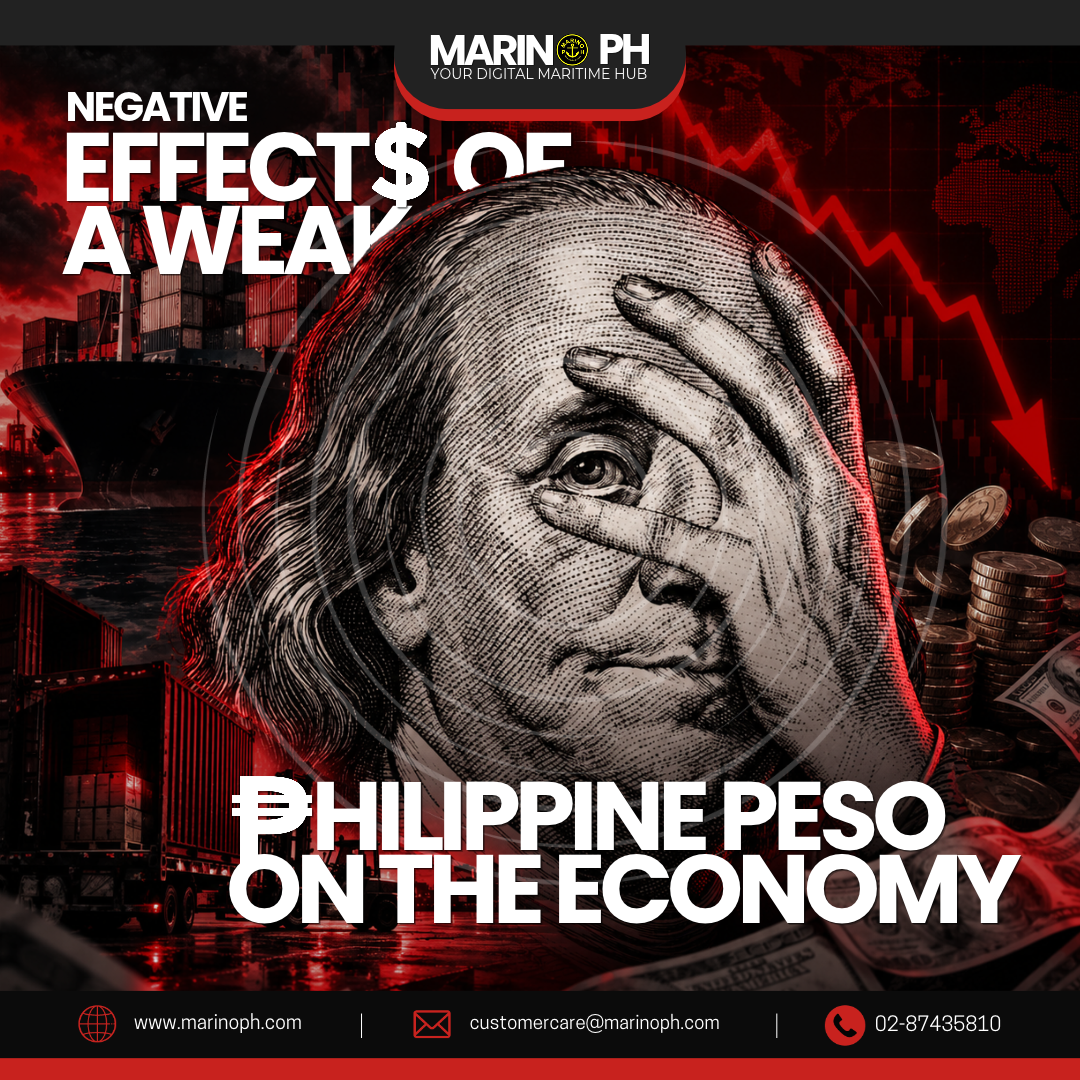
A weakening Philippine peso affects the country’s economy by making imported goods and services more expensive. While a weaker peso may benefit exporters and Filipinos receiving foreign-currency remittances, it can also increase living expenses, affect businesses, and reduce consumers’ purchasing power.
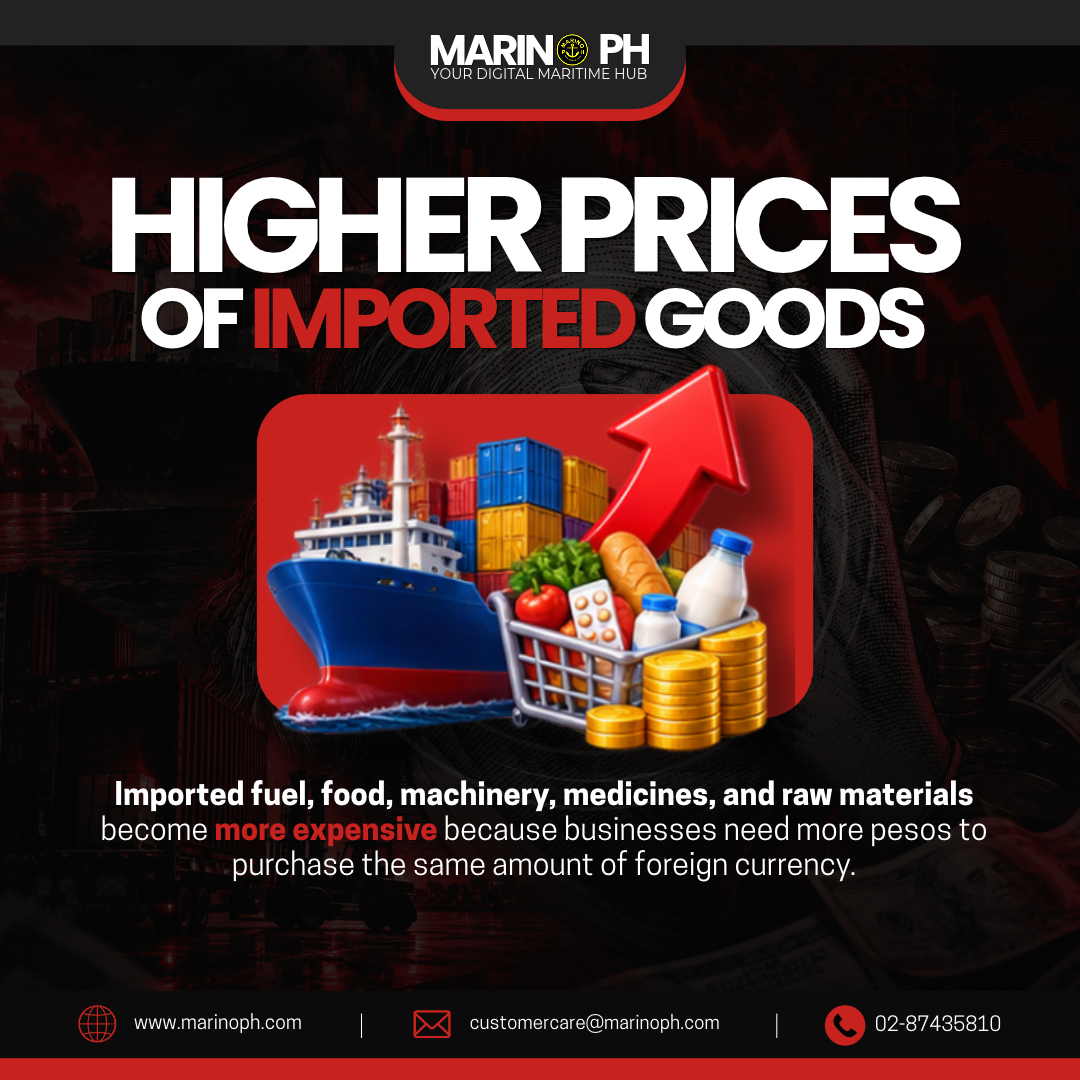
Higher Prices of Imported Goods
Imported fuel, food, machinery, medicines, and raw materials become more expensive because businesses need more pesos to purchase the same amount of foreign currency.
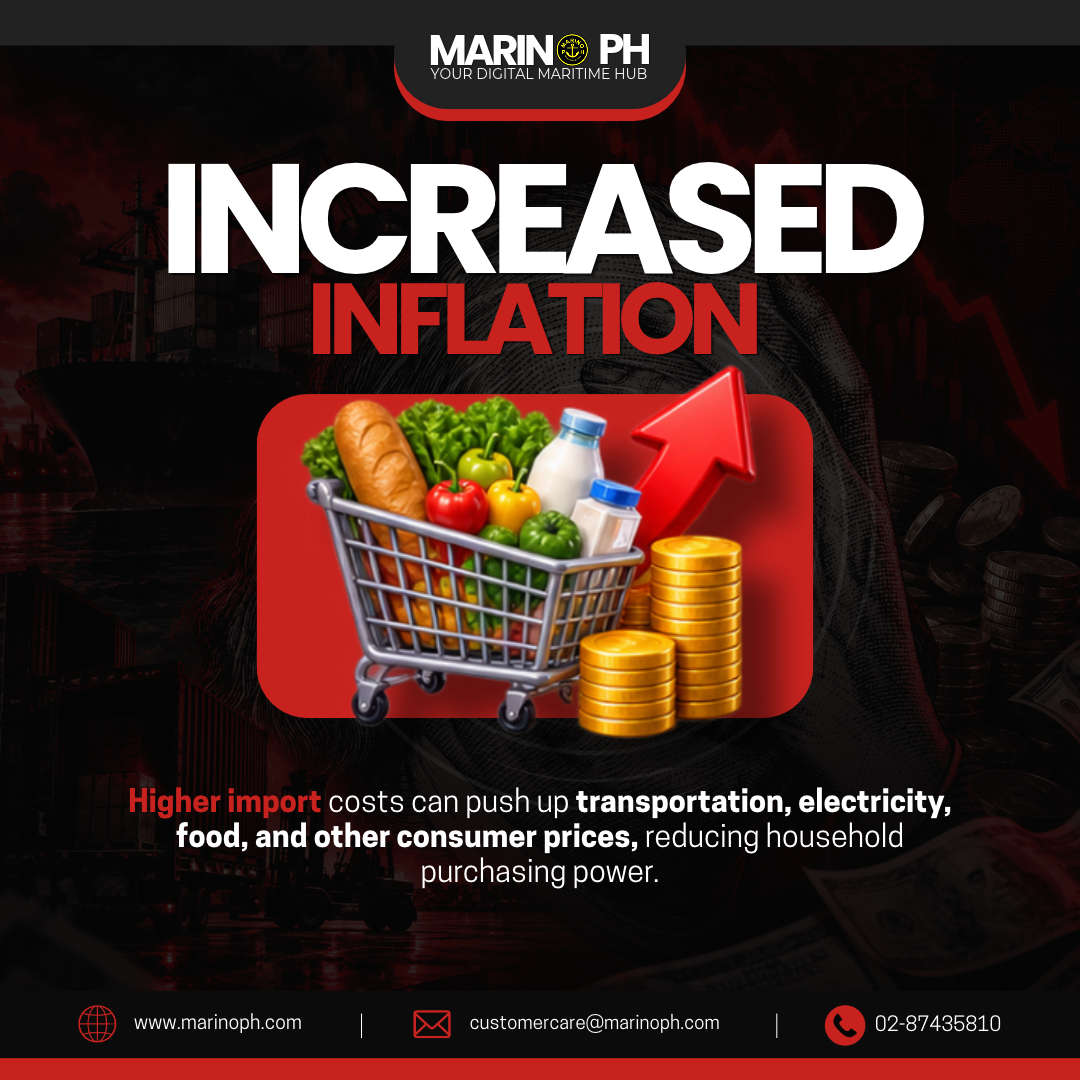
Increased Inflation
Higher import costs can push up transportation, electricity, food, and other consumer prices, reducing household purchasing power.
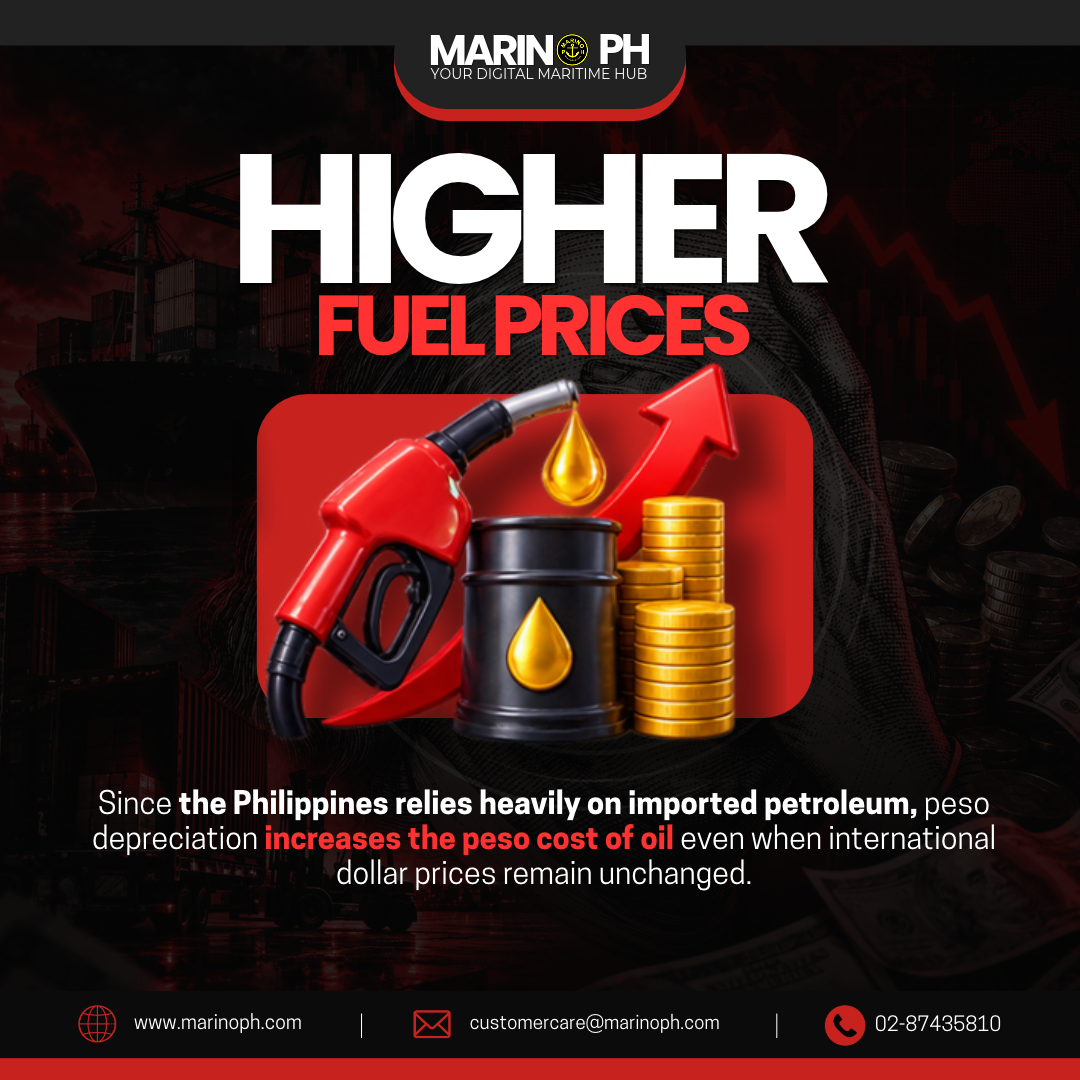
Higher Fuel Prices
Since the Philippines relies heavily on imported petroleum, peso depreciation increases the peso cost of oil even when international dollar prices remain unchanged.

Reduced Purchasing Power
Filipino workers earning fixed salaries in pesos may struggle to afford everyday necessities when prices increase faster than wages.
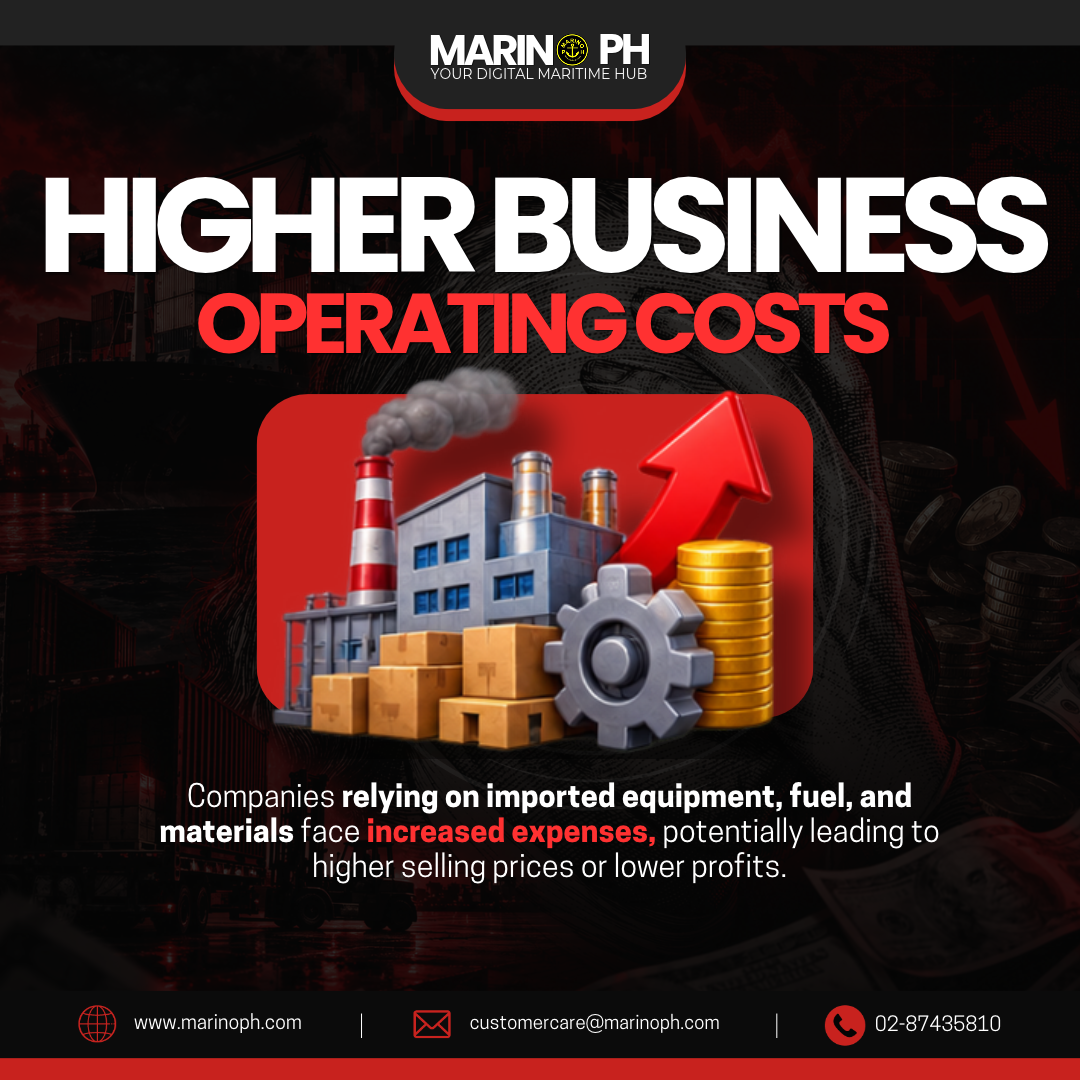
Higher Business Operating Costs
Companies relying on imported equipment, fuel, and materials face increased expenses, potentially leading to higher selling prices or lower profits.
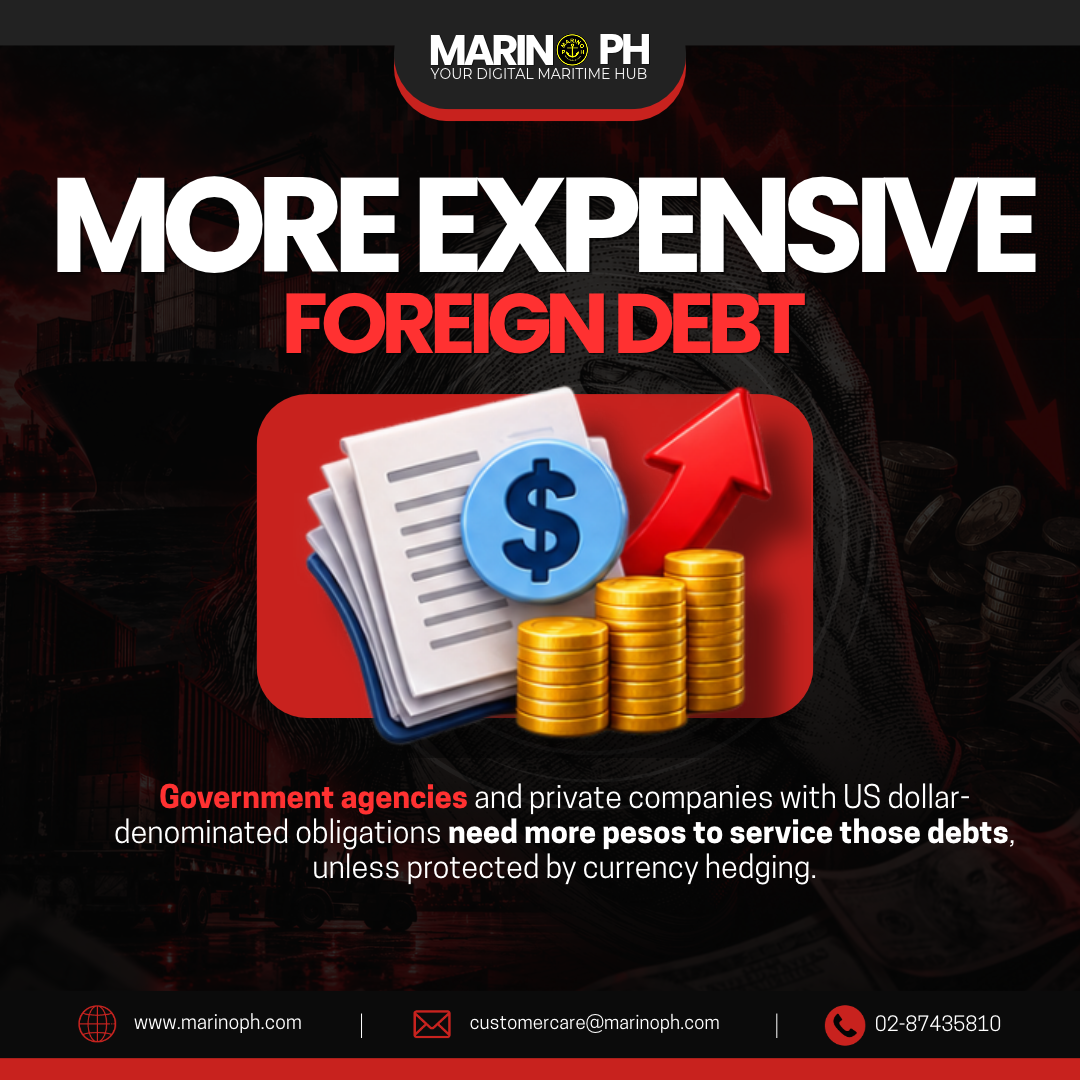
More Expensive Foreign Debt
Government agencies and private companies with US dollar-denominated obligations need more pesos to service those debts, unless protected by currency hedging.

Higher Overseas Travel and Education Costs
Filipinos traveling, studying, or paying expenses abroad need more pesos to cover foreign-currency payments.
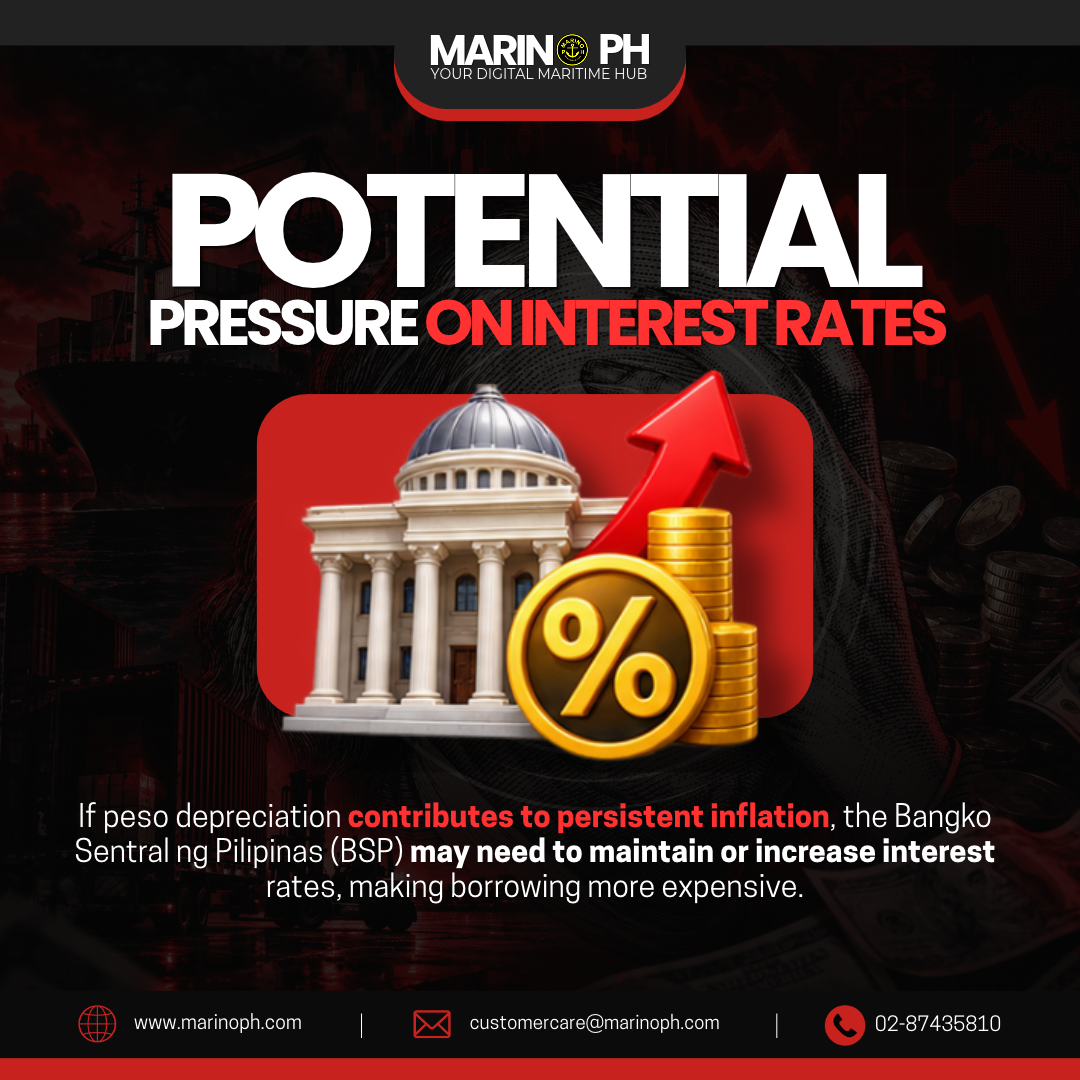
Potential Pressure on Interest Rates
If peso depreciation contributes to persistent inflation, the Bangko Sentral ng Pilipinas (BSP) may need to maintain or increase interest rates, making borrowing more expensive.

Conclusion
A weaker Philippine peso can increase the cost of living, reduce purchasing power, and place financial pressure on households, businesses, and the government. Although it may benefit exporters and families receiving foreign-currency remittances, sustained depreciation can create economic challenges, highlighting the importance of price stability, responsible financial management, and sound economic policies.
