MARINO PH
Your Maritime Digital Hub

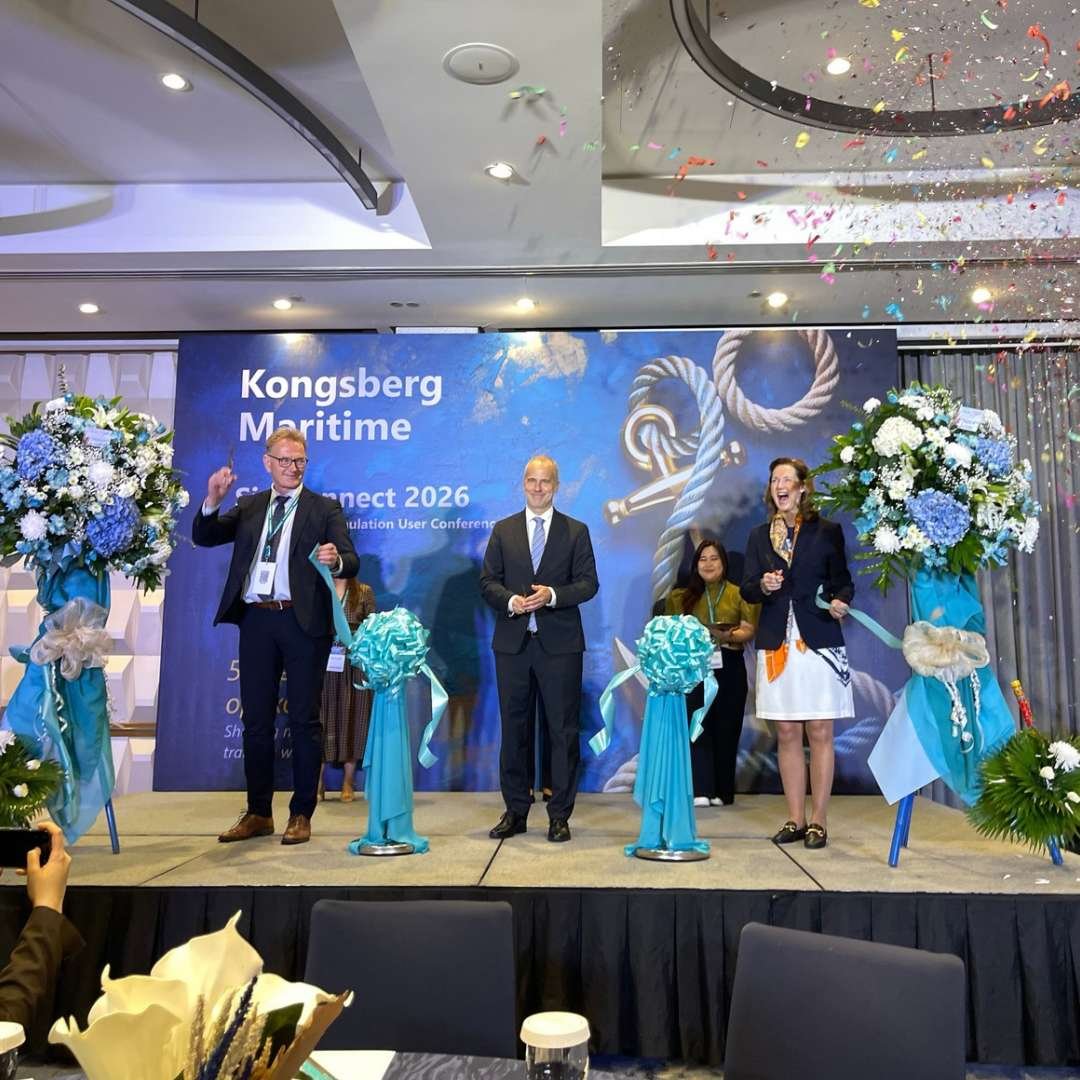
MANILA, Philippines — Kongsberg Maritime successfully concluded its SimConnect Asia & Pacific Simulation User Conference 2026 on October 23 at Citadines Bay City Hotel in Manila, bringing together maritime professionals, industry leaders, training institutions, regulators, and other key stakeholders. The conference served as a platform for discussing technological advancements, maritime education, and the evolving requirements of the global shipping industry. Highlighting 50 years of maritime simulation excellence, the gathering emphasized the importance of innovation in preparing seafarers for increasingly complex shipboard operations. The event also encouraged stronger cooperation among maritime organizations committed to improving training quality, competency assessment, and operational safety.
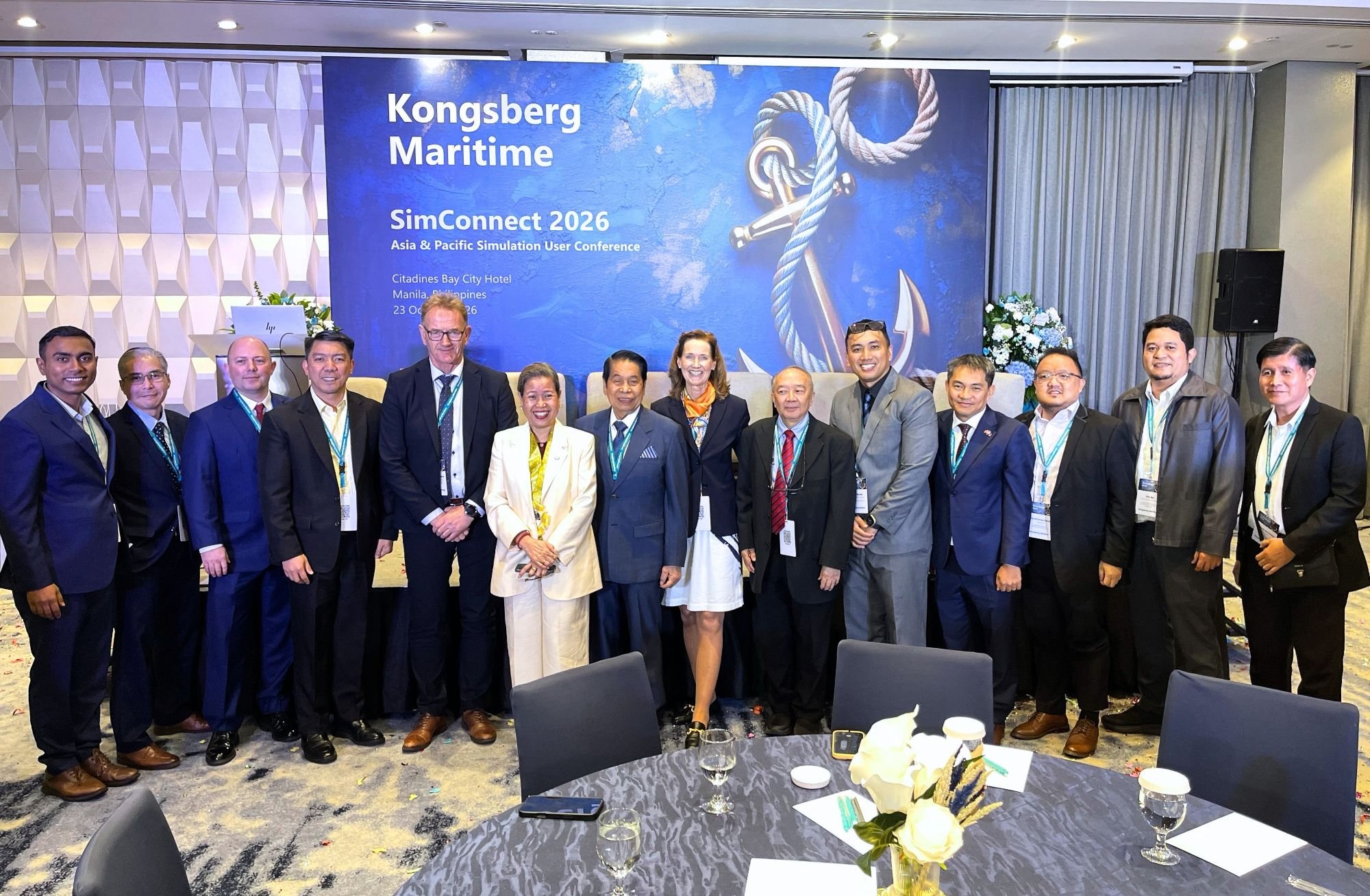
The conference featured presentations from prominent maritime organizations, including the Maritime Industry Authority (MARINA), PSA Marine, DNV, the Philippine Center for Advanced Maritime Simulation and Training (PHILCAMSAT), the Maritime Academy of Asia and the Pacific (MAAP), and Norwegian Training Center Manila. Their participation provided perspectives on maritime education, regulatory requirements, simulator certification, and industry training expectations. Discussions highlighted the importance of collaboration between maritime authorities, educational institutions, technology providers, and shipping operators in addressing emerging competency requirements. The gathering also provided an opportunity to examine how simulation technology can support the continuous professional development of maritime personnel while maintaining training standards aligned with international requirements.
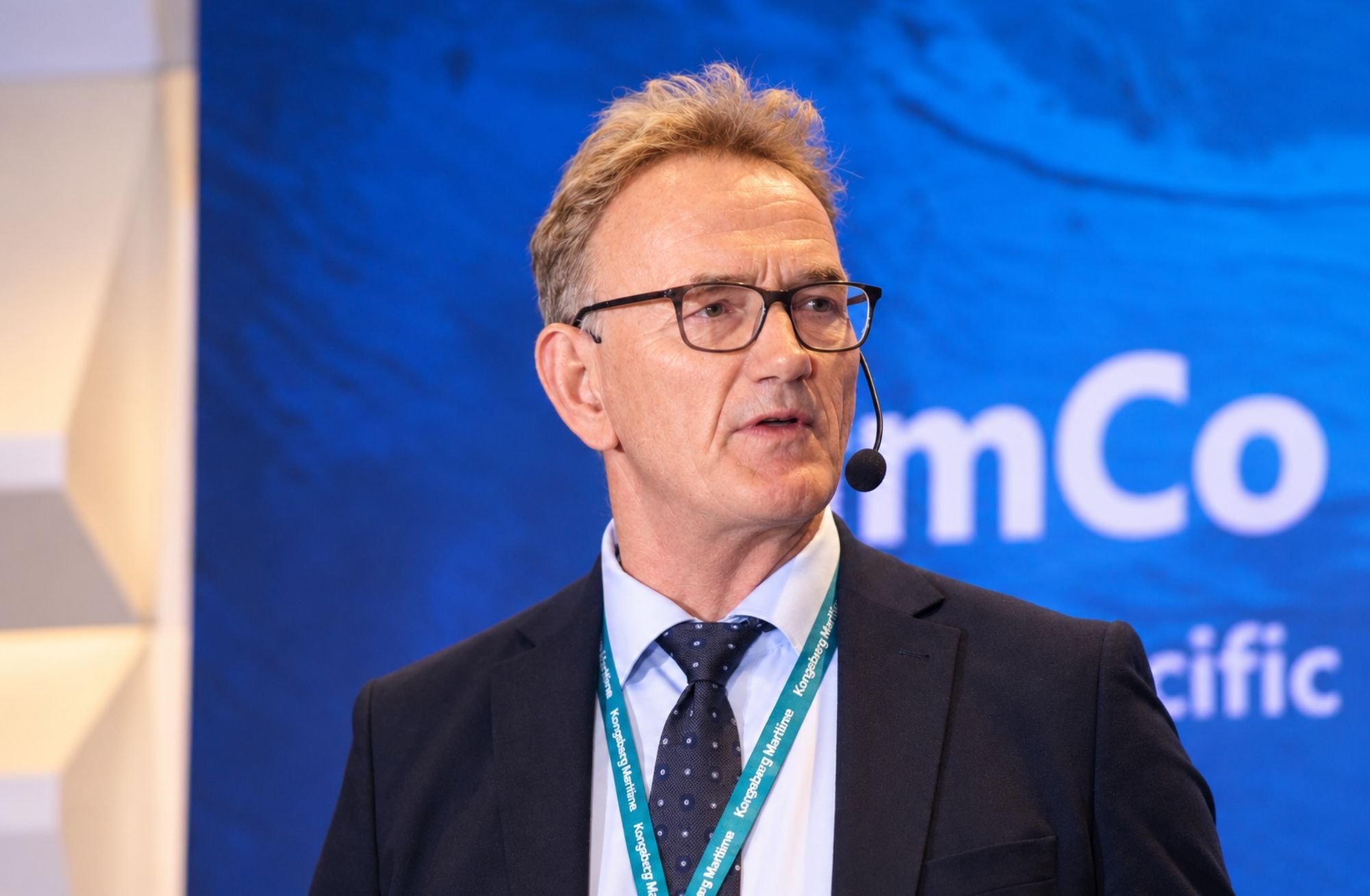
A major focus of the conference was Kongsberg Maritime\'s K-Sim simulation technology, particularly its navigation and engine room training applications. These systems provide realistic environments where maritime students and experienced seafarers can develop technical proficiency, strengthen decision-making capabilities, and practice responding to operational challenges without exposing actual vessels or personnel to unnecessary risks. Navigation simulators support exercises involving ship handling, collision avoidance, restricted visibility, and emergency situations, while engine room simulators help trainees understand machinery operations, troubleshooting, and system management. Discussions also addressed simulator certification, assessment methodologies, and the importance of maintaining training equipment that reflects technological developments and contemporary maritime operating conditions.
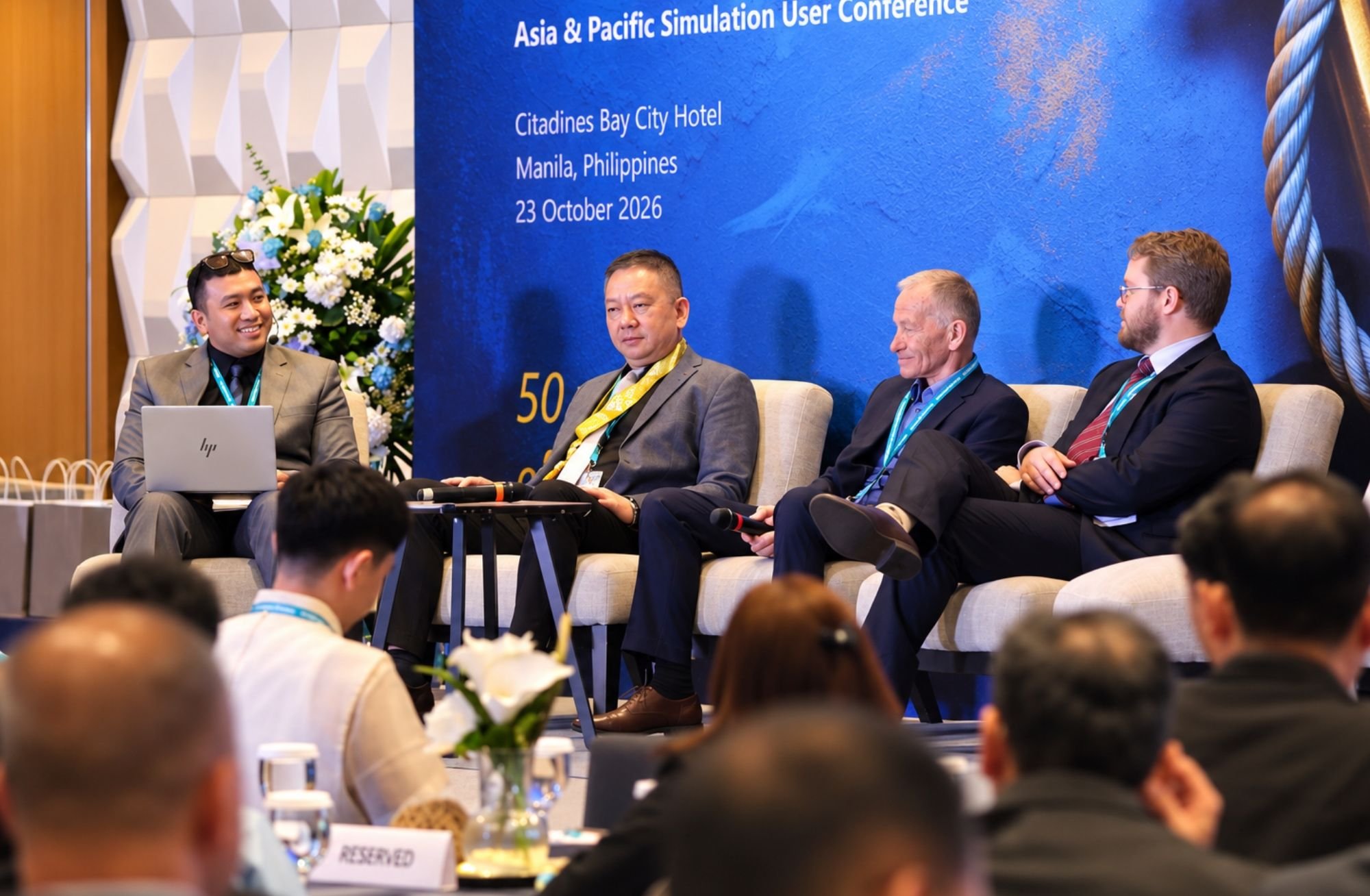
Beyond technological presentations, the conference emphasized the importance of competency-based training and continuous improvement in maritime education. As commercial shipping adopts increasingly sophisticated navigation systems, automation, and digital technologies, maritime institutions face growing demands to update training methods and instructional approaches. Simulation-based learning offers opportunities to combine theoretical knowledge with practical exercises, allowing trainees to develop situational awareness, teamwork, communication, and problem-solving skills. The conference also provided opportunities for professional networking and knowledge exchange, enabling participants to discuss common training challenges, institutional experiences, and possible areas of cooperation. Such engagement is particularly relevant to the Philippines, one of the world\'s major suppliers of maritime professionals.
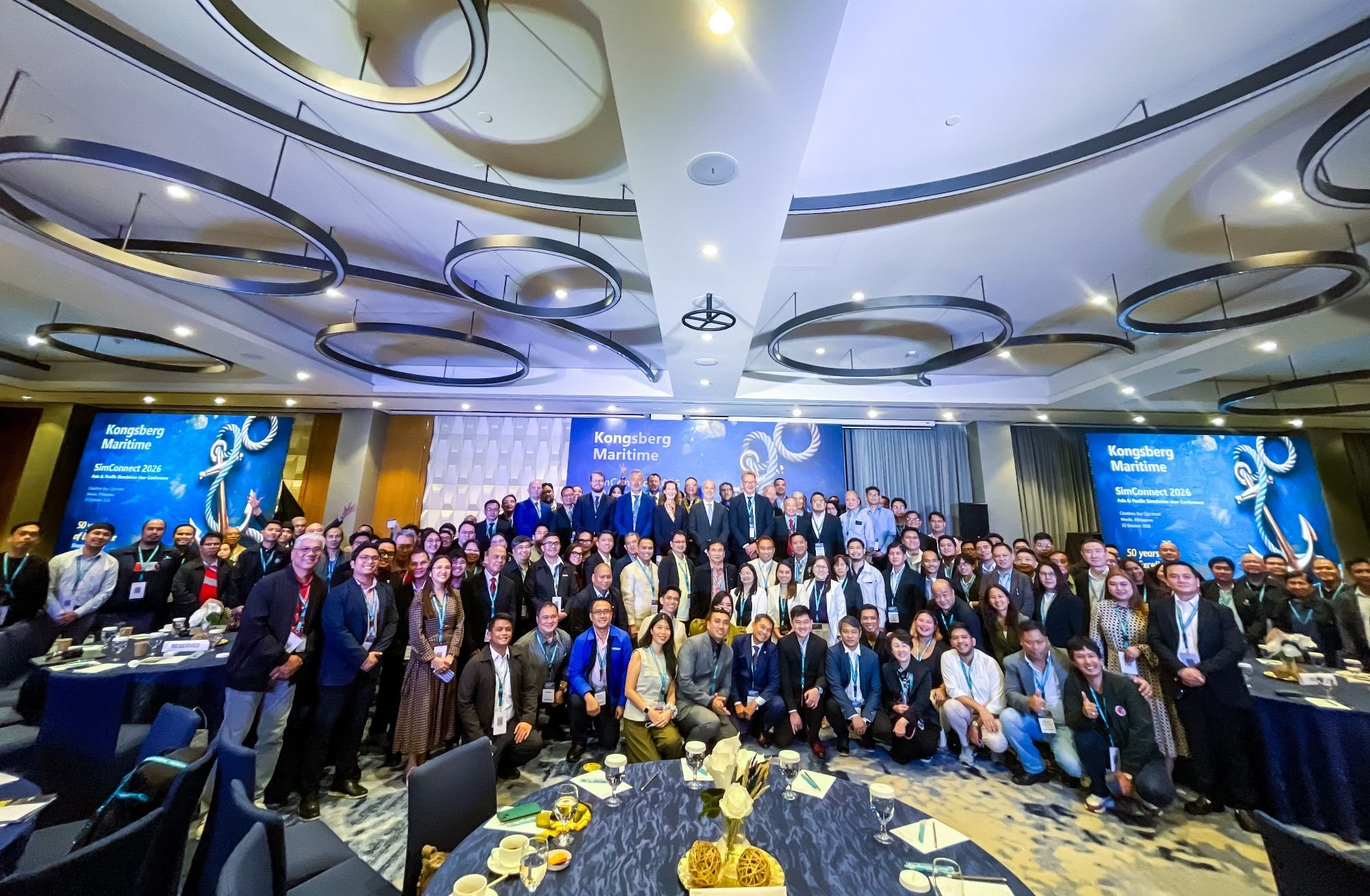
The successful conclusion of SimConnect Asia & Pacific Simulation User Conference 2026 reinforced the continuing importance of advanced simulation technologies in strengthening maritime education, seafarer competencies, and safety at sea. The event highlighted the value of sustained collaboration among training institutions, maritime authorities, classification organizations, and technology developers in responding to changing industry requirements. Through initiatives that promote innovation, knowledge sharing, and practical training solutions, Kongsberg Maritime continues to contribute to the development of simulation-based maritime learning. The Manila conference underscored a shared industry objective: preparing competent, adaptable, and safety-conscious maritime professionals capable of meeting the operational demands of modern international shipping.
