MARINO PH
Your Maritime Digital Hub

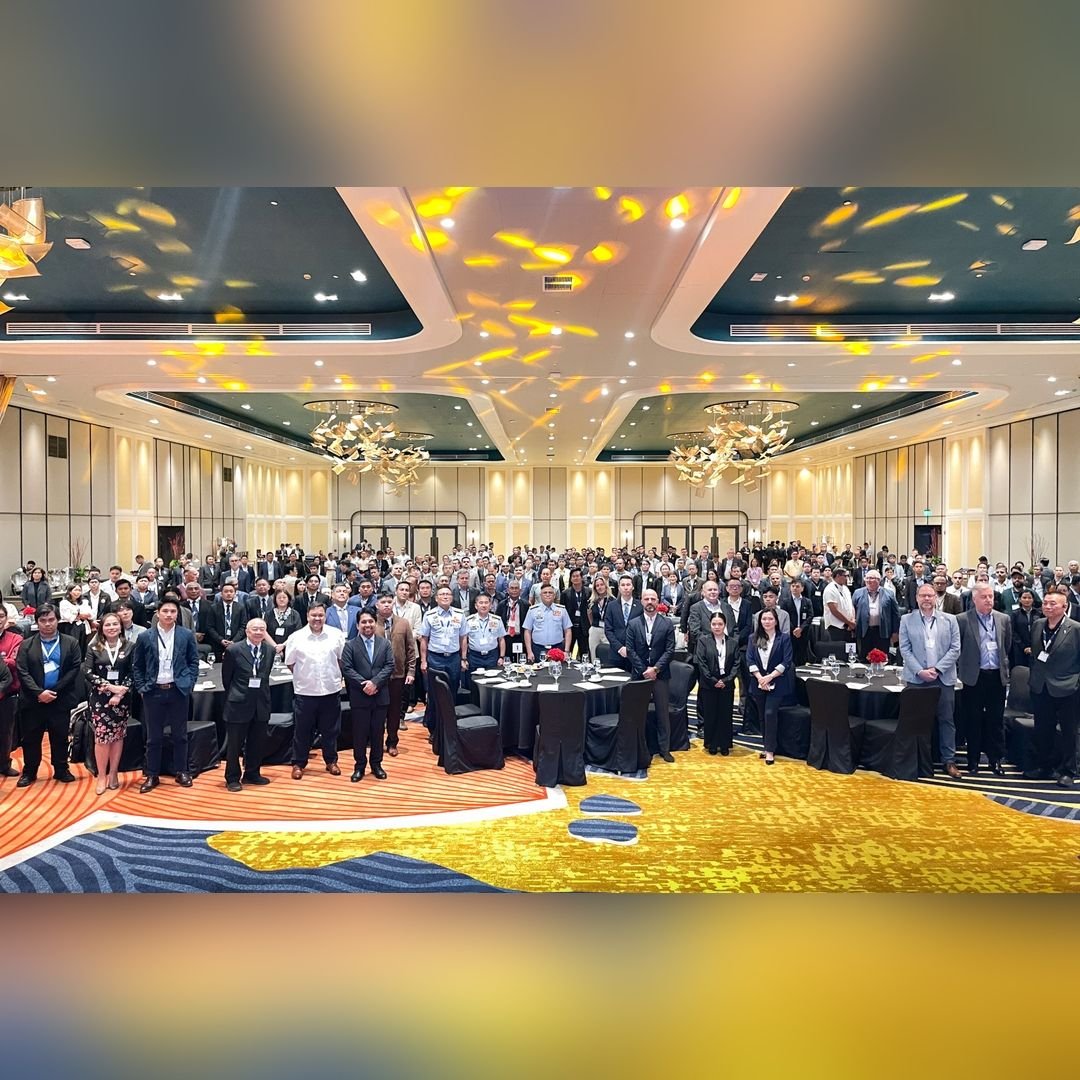
More than 350 maritime professionals from across the Asia-Pacific region gathered at Solaire Resort in Manila on October 19, 2026, for the Wärtsilä Simulation User Conference (SIMUC) 2026. The one-day event brought together maritime regulators, training institutions, technology specialists, and industry leaders to examine how maritime education can respond to changes in shipboard operations. Discussions focused on naval simulation, digital navigation, regulatory developments, and evolving competency requirements for seafarers. Through presentations, panel discussions, and technology demonstrations, the conference provided a forum for assessing how simulation-based learning can strengthen operational preparedness, improve decision-making, and support safer maritime operations across the region.
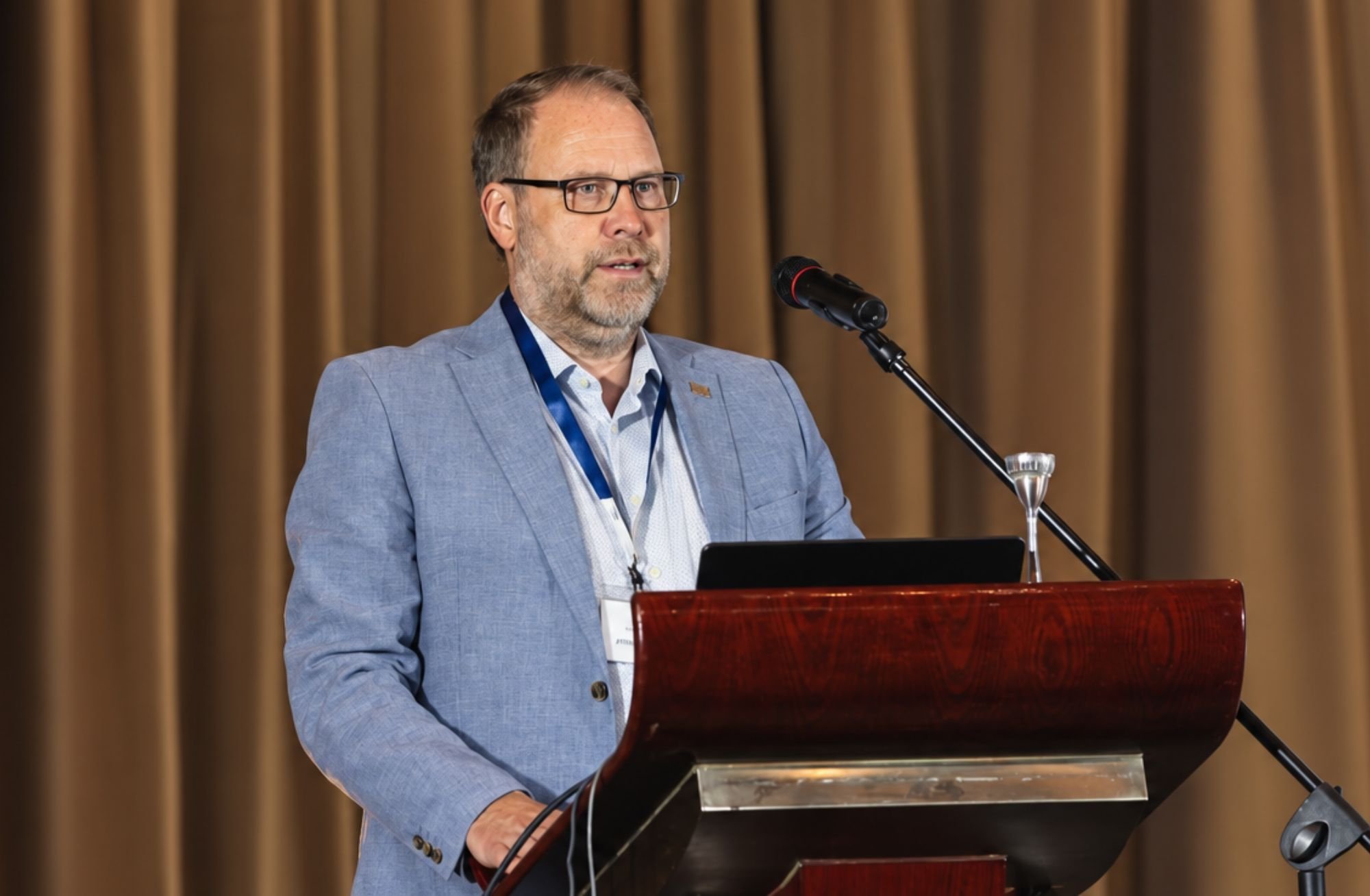
Opening the conference, Johan Ekvall, Director of Simulation & Training at Wärtsilä, highlighted the growing influence of digitalisation and automation on maritime operations and the need to develop corresponding professional skills. Jonny Nylund, Director Sales at Wärtsilä, presented the company’s portfolio of maritime technologies and services. Morning sessions concentrated on naval readiness, with keynote addresses from Atty. Julius Yano, Assistant Secretary for Maritime Concerns at the Office of the President, and Rear Admiral Marco P. Gines. Speakers examined how realistic simulation exercises can help naval personnel practise complex missions, improve team coordination, assess performance, and make sound decisions under pressure.
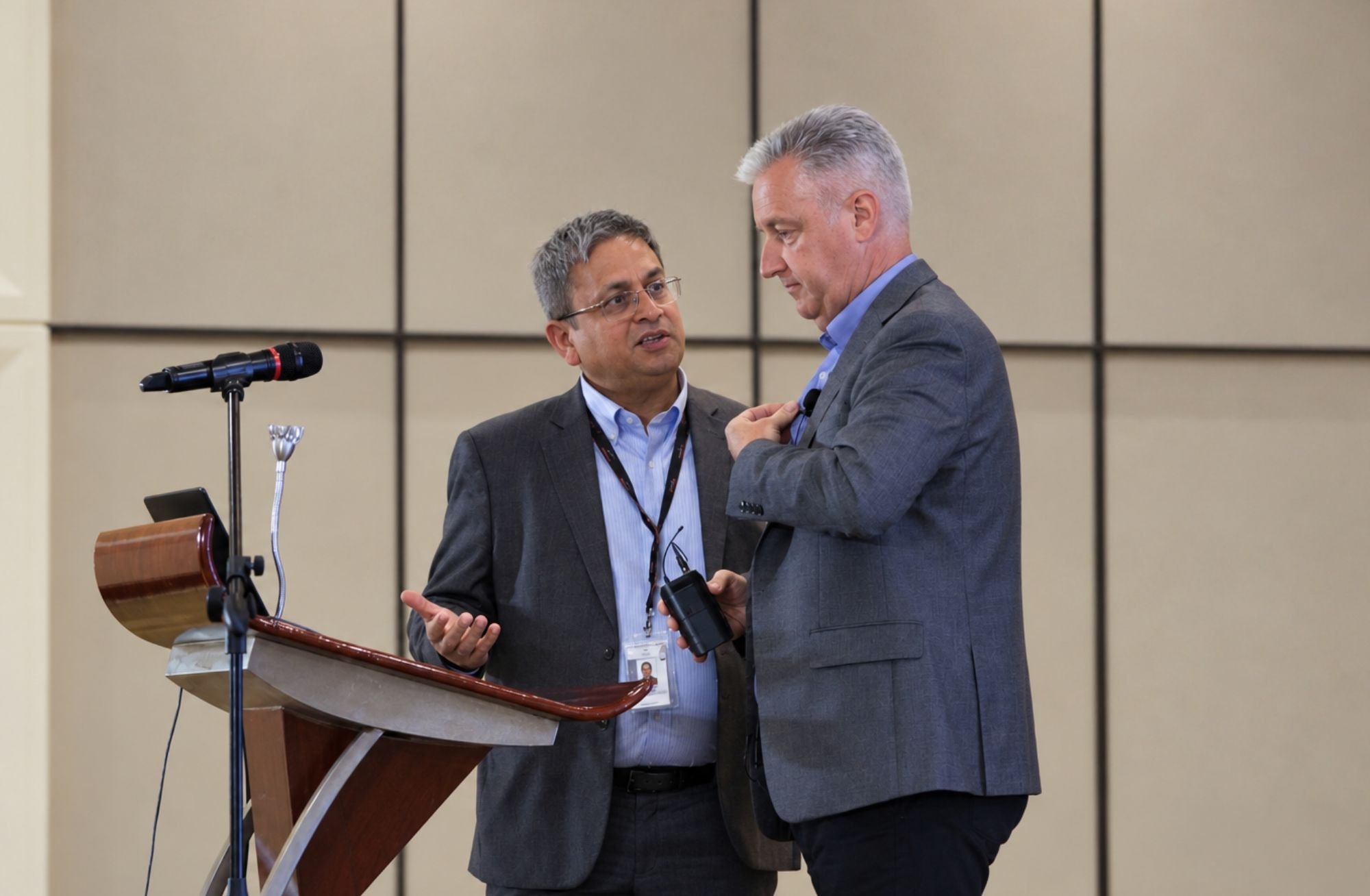
The naval programme also featured presentations from Ekvall and Kiran Kumar, Wärtsilä’s Head of Regional Simulation Sales for the Middle East and Africa. Kumar discussed integrating mission rehearsal, tactical training, and wargaming within a single simulation environment. Afternoon discussions shifted to the S-100 framework and its implications for modern bridge operations. Neil Bennett, General Manager of Simulation Sales at Wärtsilä, explained how increasingly dynamic navigational information could influence voyage planning and situational awareness. Participants considered challenges involving data interpretation, information overload, cybersecurity, and training needs, emphasising that mariners must develop practical competence alongside the introduction of new systems at sea.
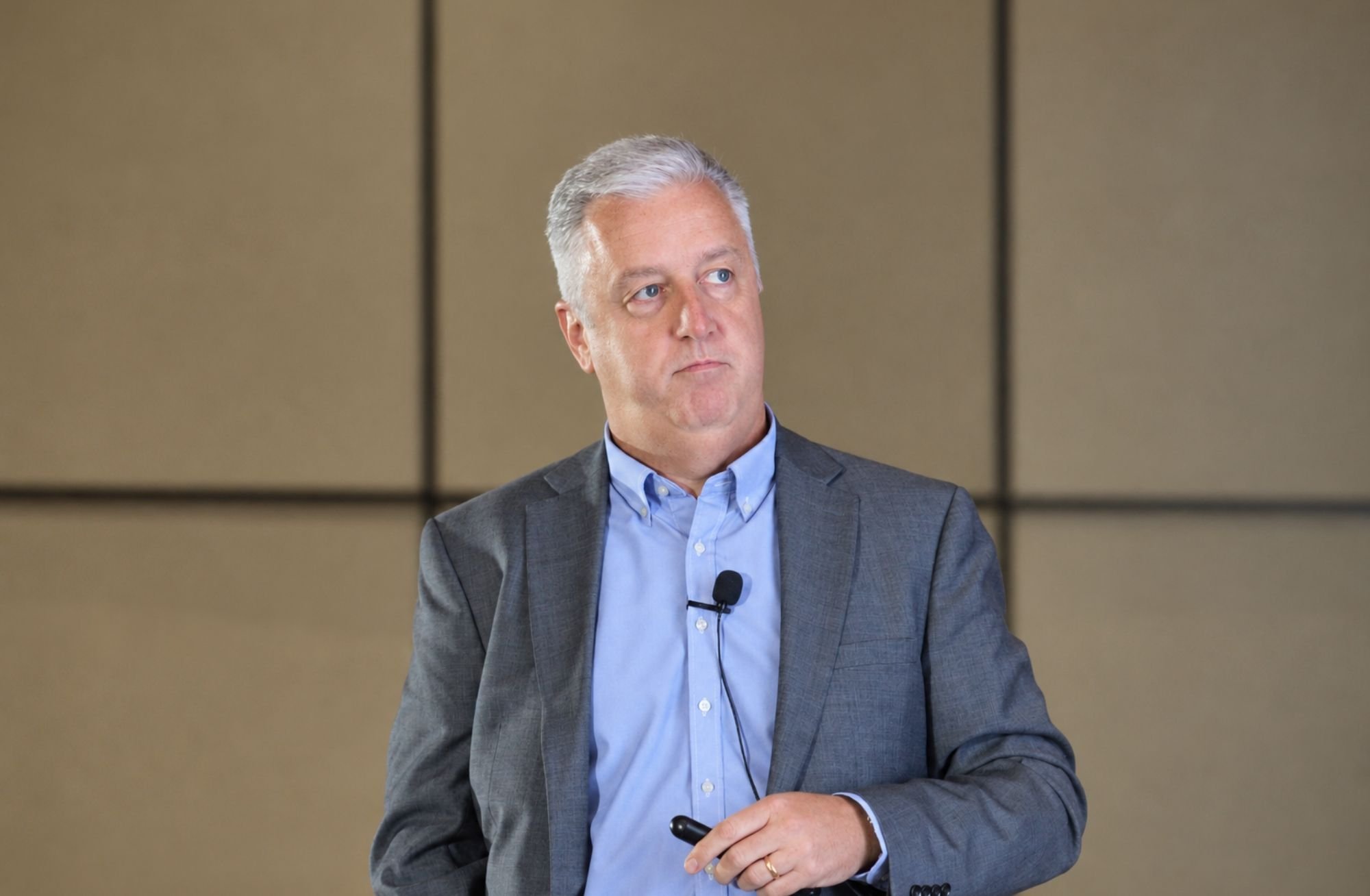
The naval programme also featured presentations from Ekvall and Kiran Kumar, Wärtsilä’s Head of Regional Simulation Sales for the Middle East and Africa. Kumar discussed integrating mission rehearsal, tactical training, and wargaming within a single simulation environment. Afternoon discussions shifted to the S-100 framework and its implications for modern bridge operations. Neil Bennett, General Manager of Simulation Sales at Wärtsilä, explained how increasingly dynamic navigational information could influence voyage planning and situational awareness. Participants considered challenges involving data interpretation, information overload, cybersecurity, and training needs, emphasising that mariners must develop practical competence alongside the introduction of new systems at sea.
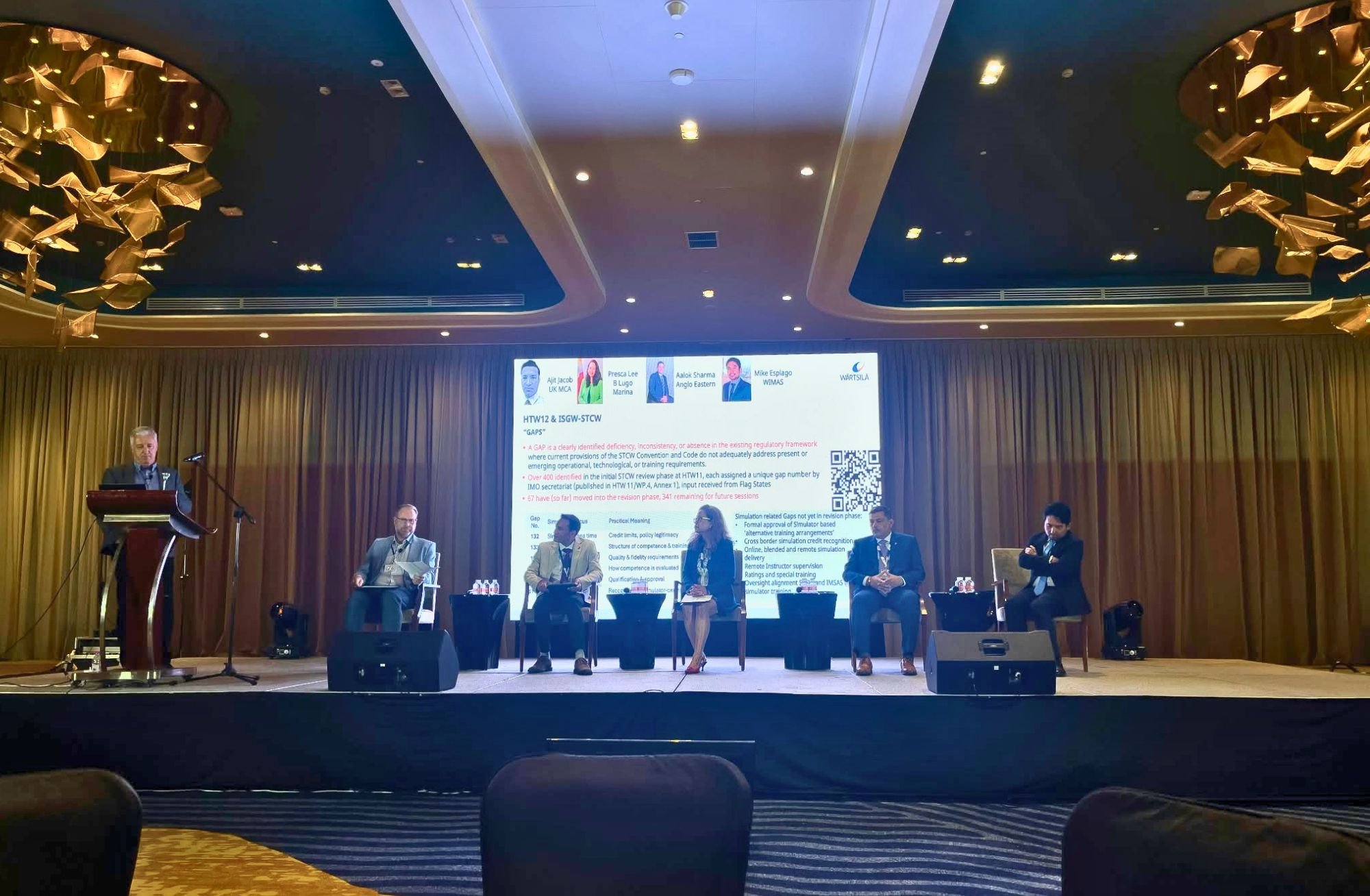
The panel also considered proposals concerning the use of simulation as a partial substitute for sea service, recognising that any regulatory changes would require careful assessment and formal adoption. Participants stressed the importance of preparing maritime educators, operators, and seafarers for evolving competency expectations without compromising practical experience or safety standards. Closing presentations introduced developments in navigational simulators, GMDSS training, and cloud-based simulation technologies. Ekvall said engagement with regulators, educators, and industry stakeholders helps guide Wärtsilä’s technology development. The conference concluded by underscoring the value of accessible, realistic, and adaptable training in preparing maritime professionals for future global operational demands.
