
MARINO PH
Your Maritime Digital Hub

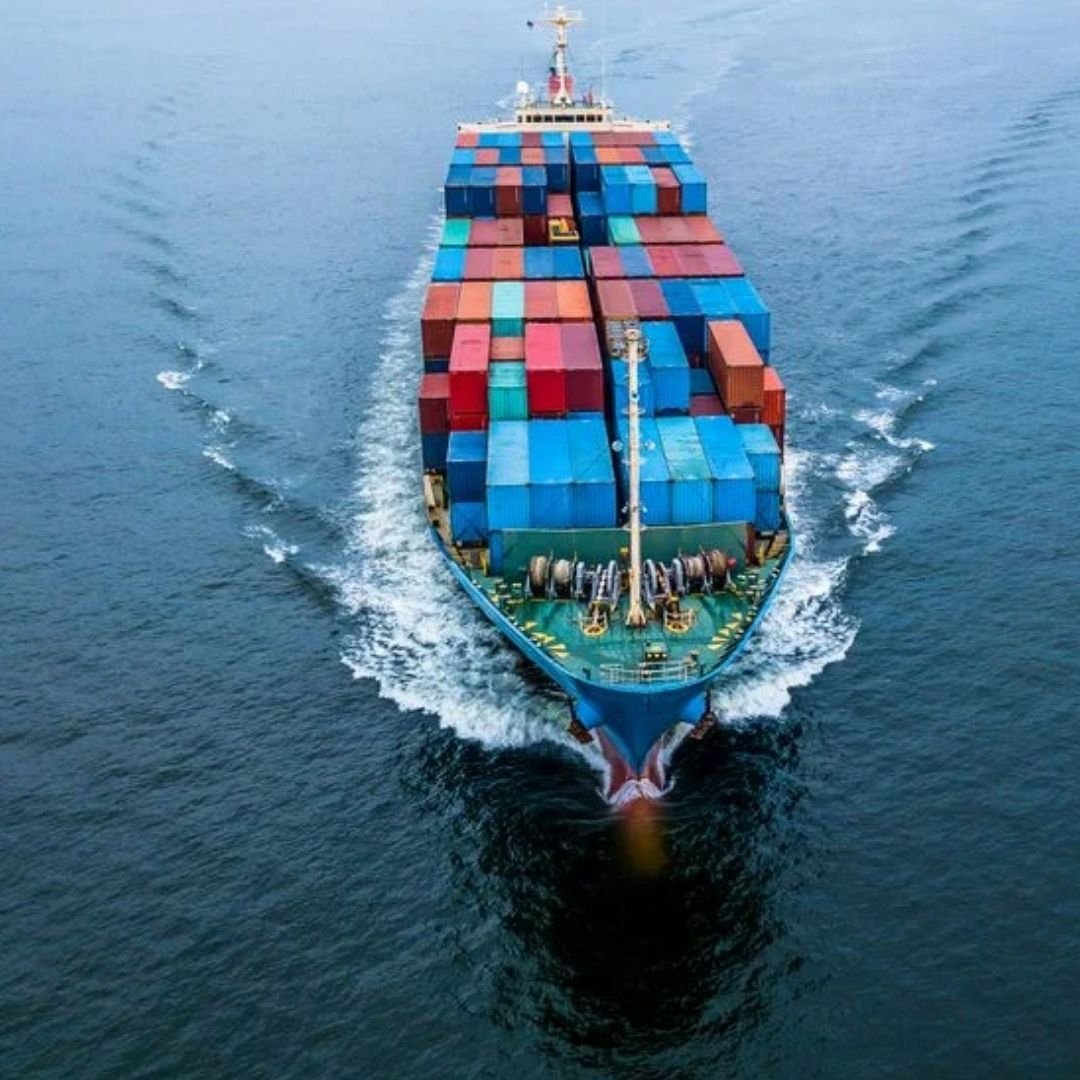
Photo Courtesy: Avigator Thailand / Shutterstock
Global shipping is facing slower trade growth and rising transport costs as geopolitical conflicts and disruptions along major trade routes continue to affect vessel movements. UN Trade and Development (UNCTAD) projects global merchandise trade growth to slow from about 4.7% in 2025 to between 1.5% and 2.5% in 2026, with uncertainty, higher energy costs and supply chain disruptions weighing on activity.
Shipping markets, particularly the tanker sector, have recorded sharply higher freight earnings amid reduced vessel availability and longer or disrupted voyages. Industry data cited in recent market assessments showed very large crude carrier earnings on some Arabian Gulf-to-Asia routes reaching around $1 million per day in September. The increase has been linked to disruption around the Strait of Hormuz, higher risk costs and changes in global energy trade patterns.

Container shipping customers are also facing additional costs. Market analysts have reported several rounds of carrier surcharges during 2026, including emergency fuel, inland and intermodal charges, as operators respond to higher fuel expenses and unstable trading conditions. UNCTAD has separately reported that disruptions through the Strait of Hormuz have increased energy, transport, logistics and production costs across international trade.
The developments show that shipping conditions remain highly dependent on geopolitical events, energy markets and the availability of major maritime routes. While higher freight rates can support stronger earnings for some shipowners and operators, the same conditions increase transportation costs for cargo owners and may eventually affect the prices of goods moved through global supply chains. The duration and wider economic impact of these conditions will depend on how conflicts, shipping routes and energy markets develop.
