
MARINO PH
Your Maritime Digital Hub

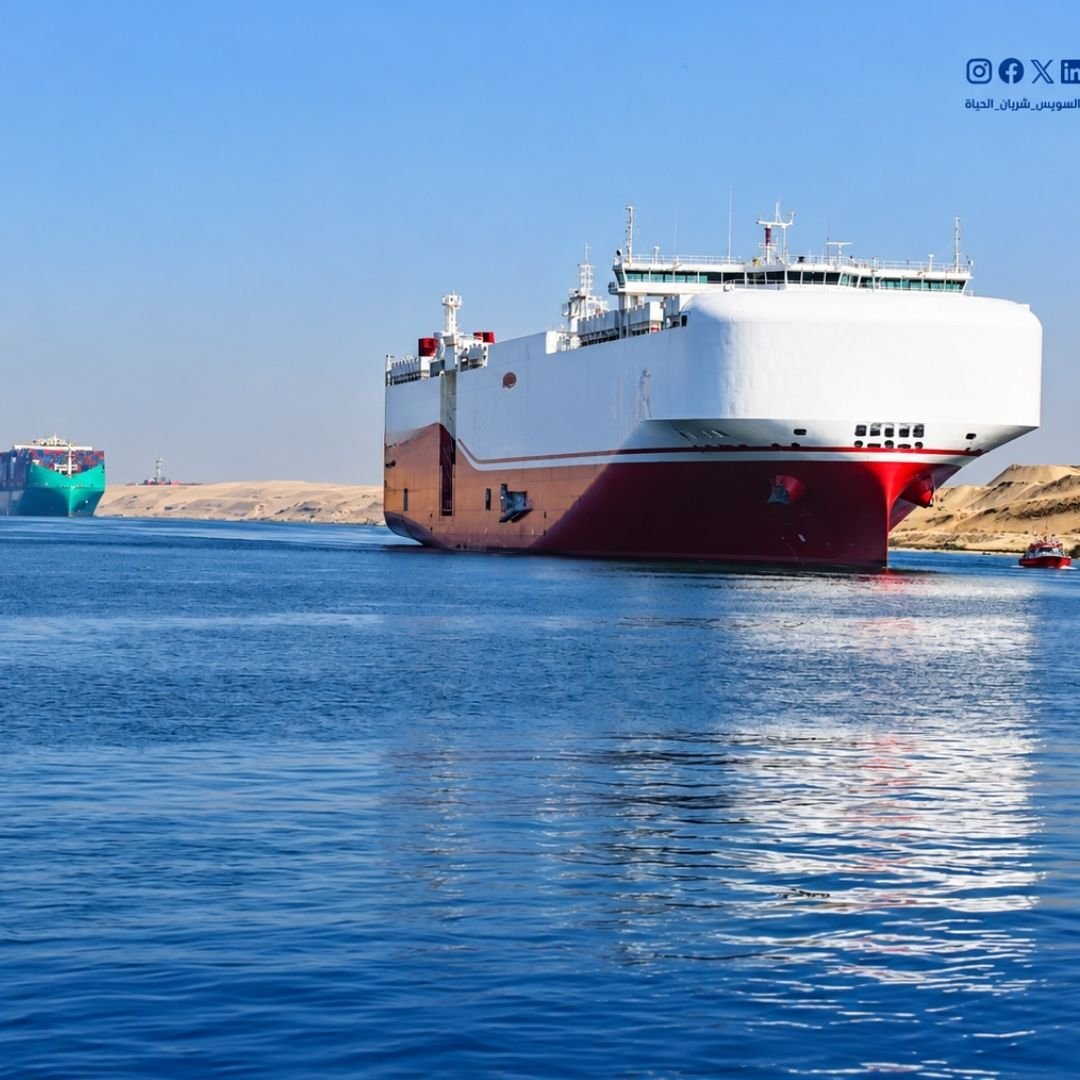
Photo Courtesy: Suez Canal Authority
Traffic through the Suez Canal is showing signs of recovery as disruptions in the Strait of Hormuz encourage some shipping activity to shift toward alternative routes. Egyptian data showed that 1,340 vessels transited the canal in July 2026, 27% more than the same month a year earlier and up from 1,208 vessels in June. Oil tankers accounted for 526 of the July transits.
The increase follows a period of reduced Suez Canal traffic caused by security concerns in the Red Sea and surrounding waters. Many shipping operators have continued to avoid the Red Sea and instead route vessels around the Cape of Good Hope, adding considerable distance and sailing time to voyages between Asia and Europe. The recent disruption around the Strait of Hormuz has added another factor influencing route decisions.

Recent vessel-tracking data indicate that traffic through the Strait of Hormuz remains significantly below normal levels. On September 8, only seven commodity vessels were recorded transiting the waterway, while traffic through the Bab el-Mandeb increased to 29 vessels. The figures may not capture all movements because some ships have operated with their tracking systems switched off.
The developing shift highlights the strategic importance of the Suez Canal as an alternative maritime corridor between Asia, the Middle East and Europe. However, the recovery remains gradual, and continued security risks in the Red Sea and Middle East could influence whether more operators return to the Suez route. Shipping patterns are expected to remain dependent on the security situation, operating costs and the reliability of major maritime chokepoints.
