
MARINO PH
Your Maritime Digital Hub

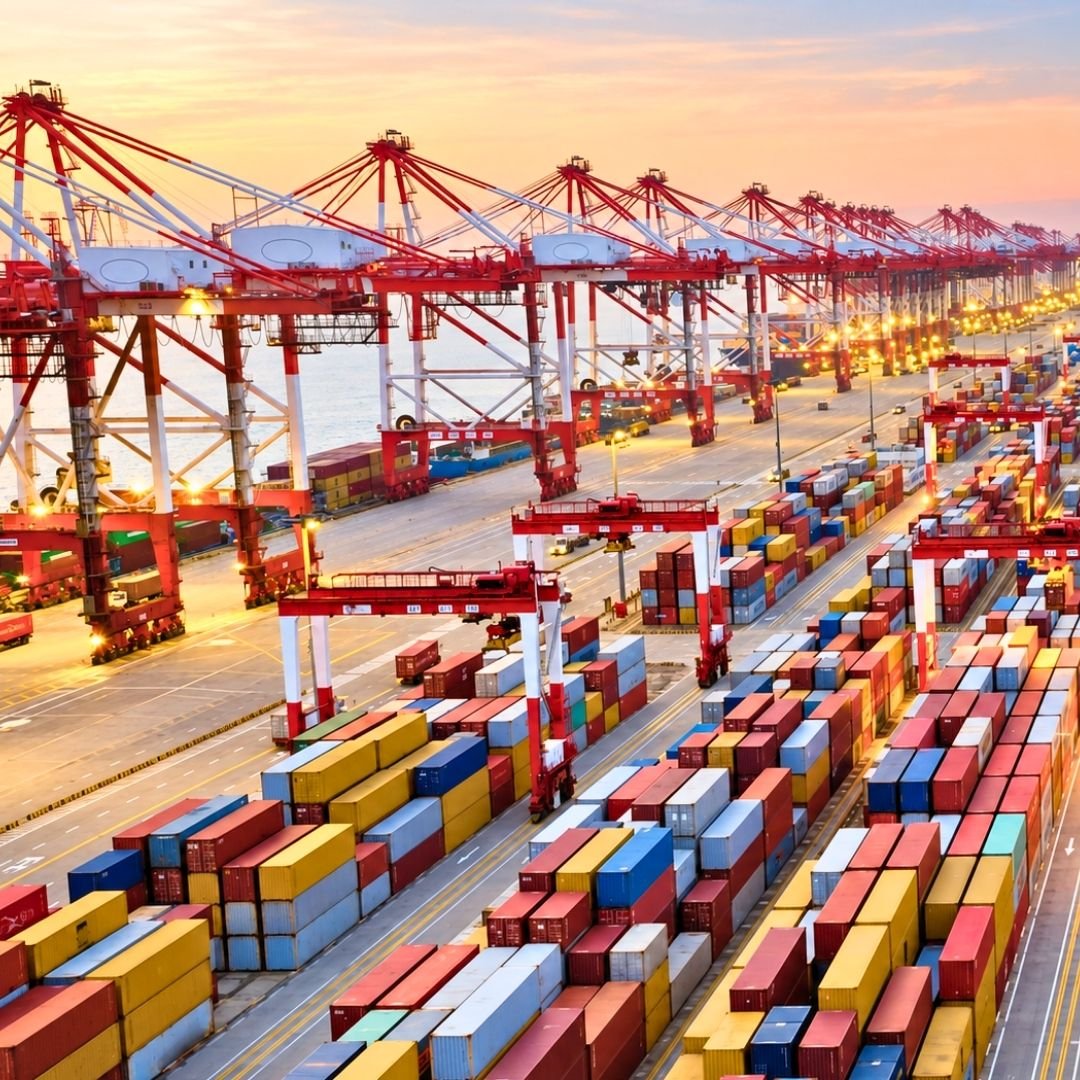
Ports face financial risks when cargo movement is interrupted, even when there is no major physical damage to terminals or infrastructure. Industry risk assessments indicate that congestion, equipment failures, cyber incidents, labor problems, severe weather, and disruptions elsewhere in the supply chain can slow or stop cargo movement and affect port revenue.
The financial effects can begin as soon as vessel calls, crane operations, gate transactions, cargo releases, or inland connections are disrupted. Delays can increase operating costs, demurrage and detention charges, while ports may also face contractual penalties and customer claims. Prolonged disruption may cause cargo owners or shipping lines to shift their business to other ports or routes.

operational, financial, competitive, governance, and reputational risks among the potential effects of port disruptions. UNCTAD also notes that problems outside a port, including interruptions involving transport connections or other parts of the supply chain, can spread through maritime networks and affect port operations.
Port operators are therefore being encouraged to assess which equipment, systems, cargo movements, and external connections are most important to maintaining throughput. Continuity plans should also account for cyber outages and periods of heavy cargo concentration. Maintaining at least partial cargo movement during a disruption can help protect revenue, meet customer commitments, and reduce the risk of prolonged congestion.
