
MARINO PH
Your Maritime Digital Hub


Photo Credit: REUTERS/Stringer
Global oil markets are increasingly adjusting to the possibility of prolonged disruptions in the Strait of Hormuz, as uncertainty surrounding the strategic waterway continues to affect energy supplies and maritime transportation.
Oil flows through the Strait have fallen significantly from levels recorded before the current crisis, while overall Middle Eastern exports remain constrained. The disruption has contributed to tighter supplies, declining inventories, and higher transportation and refining costs.

ADVERTISEMENT
Brent crude settled at around $91 per barrel on August 18, reaching its highest level in more than three weeks as concerns over supply disruptions persisted. Market participants are increasingly considering the possibility that elevated prices could last longer than initially expected.
Shipping activity through the Strait of Hormuz also remains below normal levels. Recent vessel-tracking data showed a limited number of commodity vessels transiting the waterway, although some ships may have been operating without transmitting tracking signals.
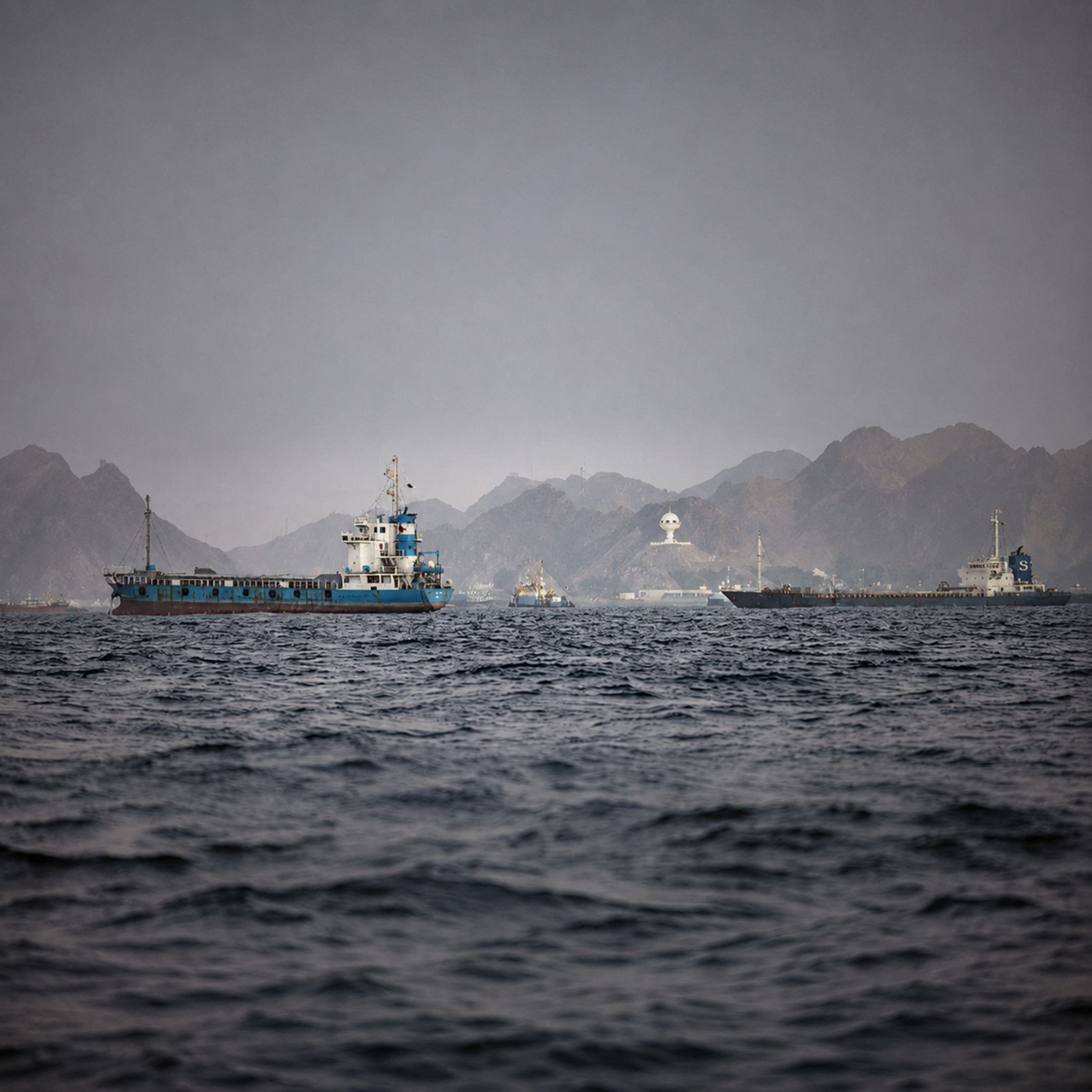
Photo Credit: News24
Some regional producers have introduced alternative arrangements to maintain exports, including offshore transfers and alternative loading locations. However, these measures have provided only partial relief and cannot fully replace normal shipping flows through the region.
For the maritime sector, continued instability in the Strait of Hormuz could place sustained pressure on tanker availability, freight rates, insurance costs, and voyage planning. Oil market conditions are expected to remain closely linked to security developments, shipping access, and diplomatic efforts surrounding one of the world’s most important energy corridors.
