MARINO PH
Your Maritime Digital Hub

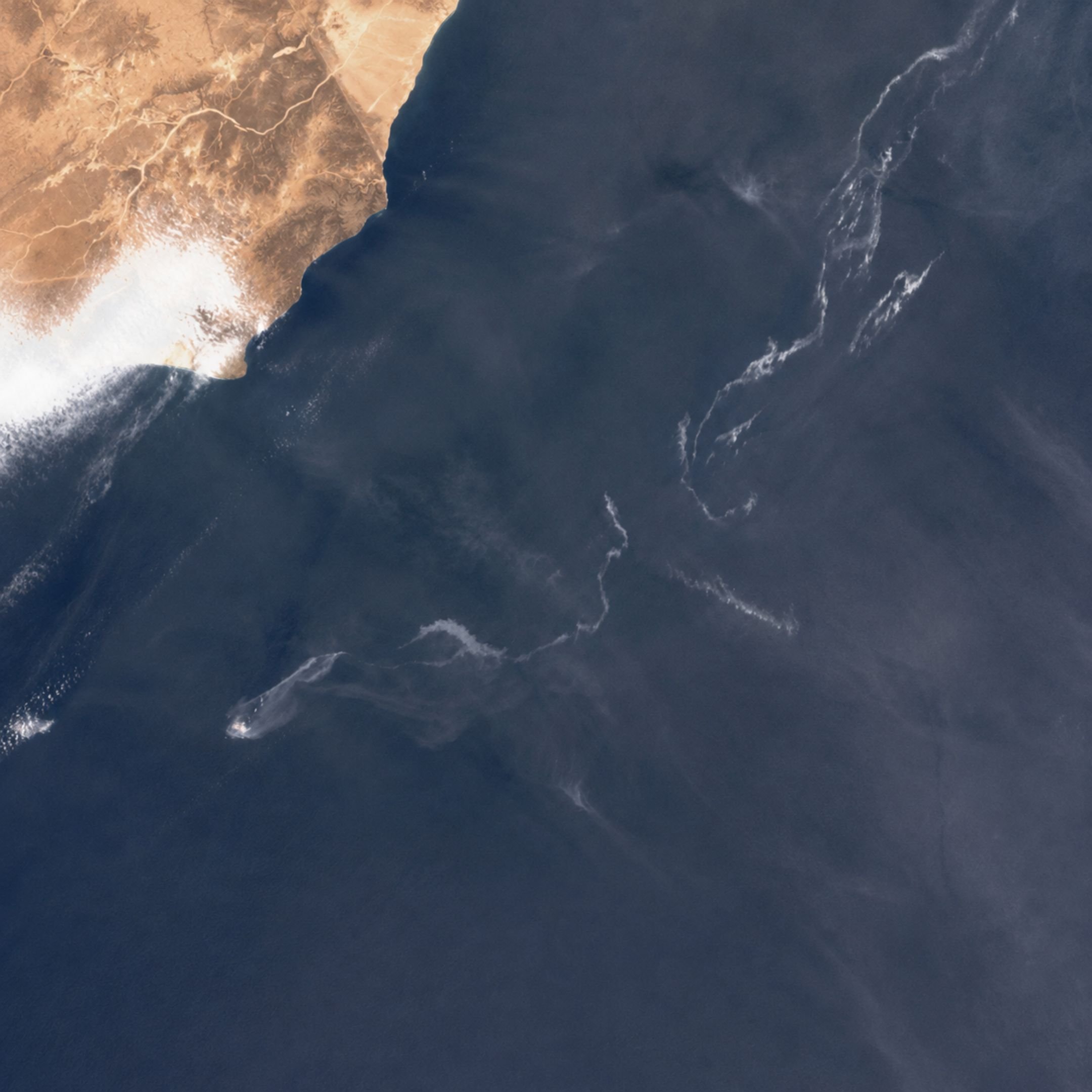
Photo Credit: Reuters
A major oil spill from a grounded tanker off the coast of Oman is raising environmental concerns as pollution spreads across the Arabian Sea. Satellite assessments indicate that the affected area may extend across more than 2,000 square kilometers, with traces of oil reportedly reaching parts of the Omani coastline.
The Caroline Bezengi, a 25-year-old tanker carrying an estimated 800,000 barrels of Russian crude oil, ran aground on June 30 near Al-Qibliyyah Island, part of a protected marine nature reserve in Oman. The vessel had previously reported difficulties off Yemen on June 8, with maritime sources indicating that an explosion may have occurred onboard. No party has claimed responsibility for the incident.

ADVERTISEMENT
The tanker has been identified as part of the so-called Russian “shadow fleet” and is subject to international sanctions. It is also reportedly not covered by a recognized Western insurer, potentially complicating salvage, compensation, and environmental response efforts. According to the report, the International Oil Pollution Compensation Funds is not expected to cover cleanup costs because the incident is being treated as an act of war rather than a conventional maritime accident.
Environmental specialists have warned that the vessel could deteriorate further due to continued exposure to waves and seasonal monsoon conditions. In a worst-case scenario, an oil spill specialist cited by Reuters estimated that the tanker could release between 40 million and 50 million gallons if its remaining cargo were lost, potentially placing the scale of the incident in the same range as the 1989 Exxon Valdez disaster.
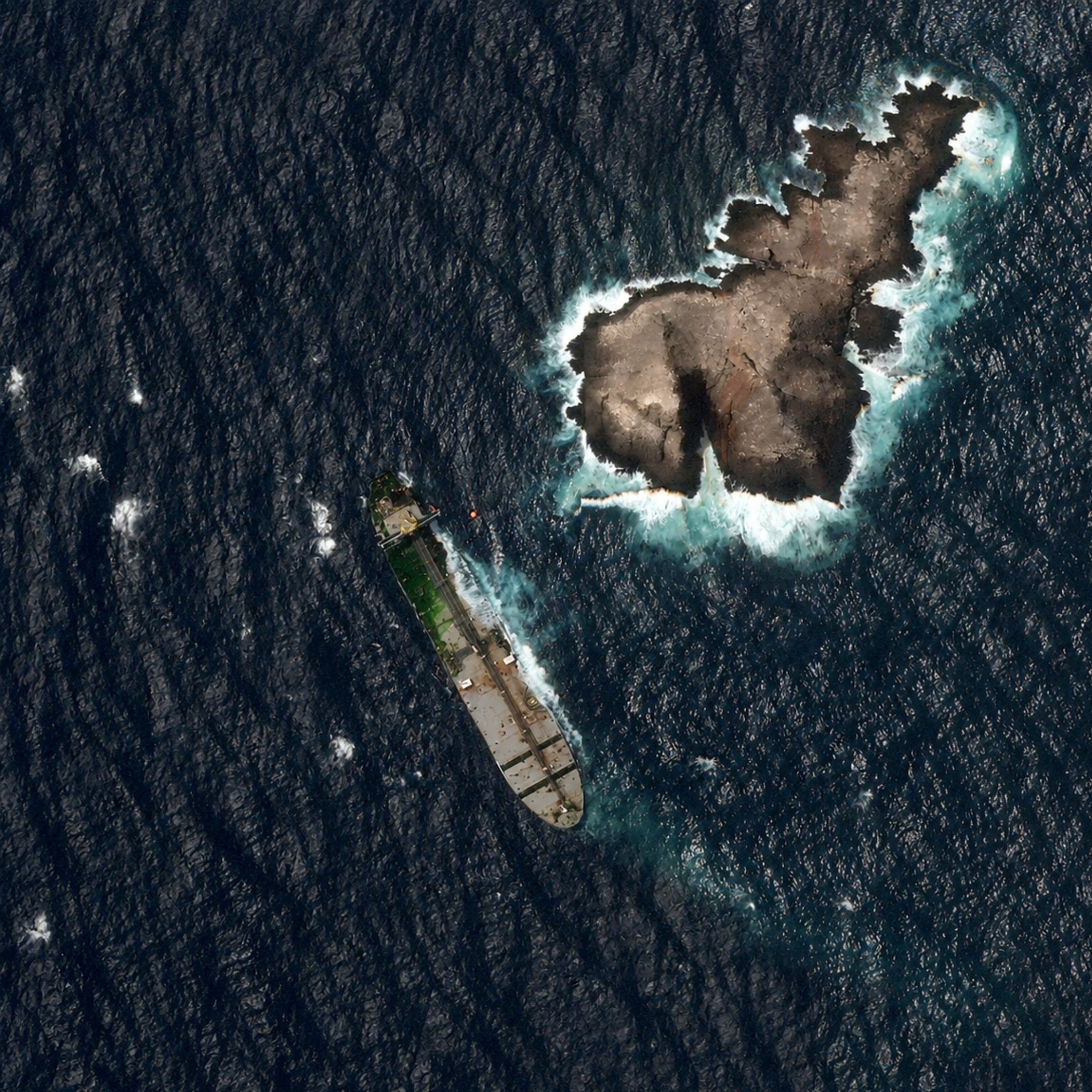
Photo Credit: gCaptain
Seasonal monsoon conditions have reportedly restricted access to the tanker and delayed salvage operations. Oman has deployed containment booms, while specialists have emphasized that stabilizing the damaged vessel and transferring its remaining cargo to another tanker could be critical to preventing further pollution.
The spill also poses a potential threat to environmentally sensitive waters around the Hallaniyat Islands, which are home to endangered turtles, Arabian Sea humpback whales, coral reefs, and other marine species. The incident highlights the environmental and operational challenges associated with aging sanctioned tankers, particularly when insurance, ownership, sanctions, and conflict-related issues complicate emergency response and salvage operations.
