MARINO PH
Your Maritime Digital Hub

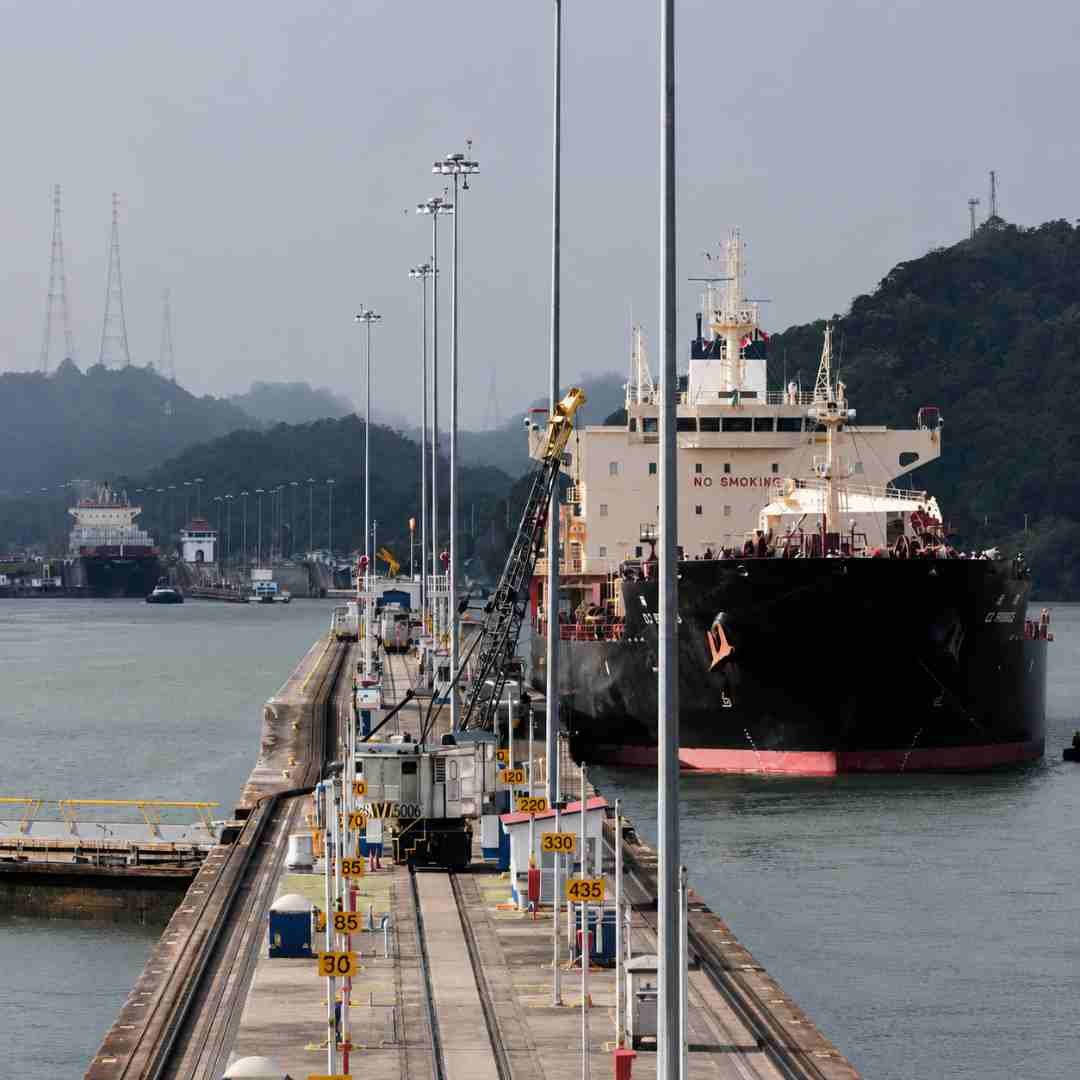
Photo Credit: REUTERS/Roberto Cisneros
The Panama Canal Authority has completed the document submission phase for companies seeking to participate in the prequalification process for its proposed Energy Corridor project, marking another milestone in one of its largest long-term infrastructure initiatives. Canal officials will now evaluate the submitted applications based on legal, technical, and financial requirements before announcing the list of qualified participants for the next stage of the bidding process.
The proposed Energy Corridor is part of the Panama Canal Authority's strategy to diversify its operations beyond traditional vessel transits while strengthening Panama's position as a global logistics and energy hub. The project centers on the development of a 76-kilometer pipeline designed to transport propane, butane, and ethane between the Atlantic and Pacific coasts, reducing reliance on canal lock transits for specific energy cargoes.
According to the Panama Canal Authority, the planned pipeline could handle up to 2.5 million barrels of energy products per day without requiring freshwater, an important consideration as climate variability continues to affect canal operations. The authority stated that the prequalification process is intended to ensure transparency and fair competition among interested companies before formal bids are invited.

ADVERTISEMENT
The Energy Corridor is also part of the broader Strategic Vision 2025–2035, which includes the proposed development of new container terminals on both the Atlantic and Pacific coasts. These projects aim to increase Panama\'s logistics capacity, support international trade, and strengthen the country\'s role as a key maritime and transshipment hub in the Americas.
Industry observers will be watching the next phase of the selection process as the Panama Canal Authority advances its long-term expansion plans. If implemented, the Energy Corridor could complement existing canal operations while creating additional infrastructure to support the growing global demand for energy transportation and logistics services.
