
MARINO PH
Your Maritime Digital Hub


PHOTO COURTESY: THE MARITIME EXECUTIVE
Global oil markets are facing contrasting outlooks as analysts warn that a prolonged disruption in the Strait of Hormuz could lead to supply shortages, while a reopening of the vital waterway may eventually return the market to an oversupply situation. The Strait of Hormuz remains one of the world's most important energy corridors, handling a significant share of global crude oil and petroleum shipments.
Market observers noted that continued restrictions on vessel movements through the strait could further tighten oil supplies and reduce global inventories. Several reports indicate that stockpiles have already been declining as producers and consumers rely on stored reserves to offset disruptions in Middle Eastern exports.
Analysts said oil prices could remain elevated if the disruption continues for an extended period. Reduced exports from the Gulf region, combined with increased transportation and insurance costs, have raised concerns among import-dependent countries, particularly in Asia, which relies heavily on crude shipments passing through the strait.

ADVERTISEMENT
Despite the challenges, some alternative export routes have helped ease the impact. Pipeline networks in countries such as Saudi Arabia and the United Arab Emirates have enabled a portion of crude exports to bypass the strait, although these routes cannot fully replace normal shipping volumes.
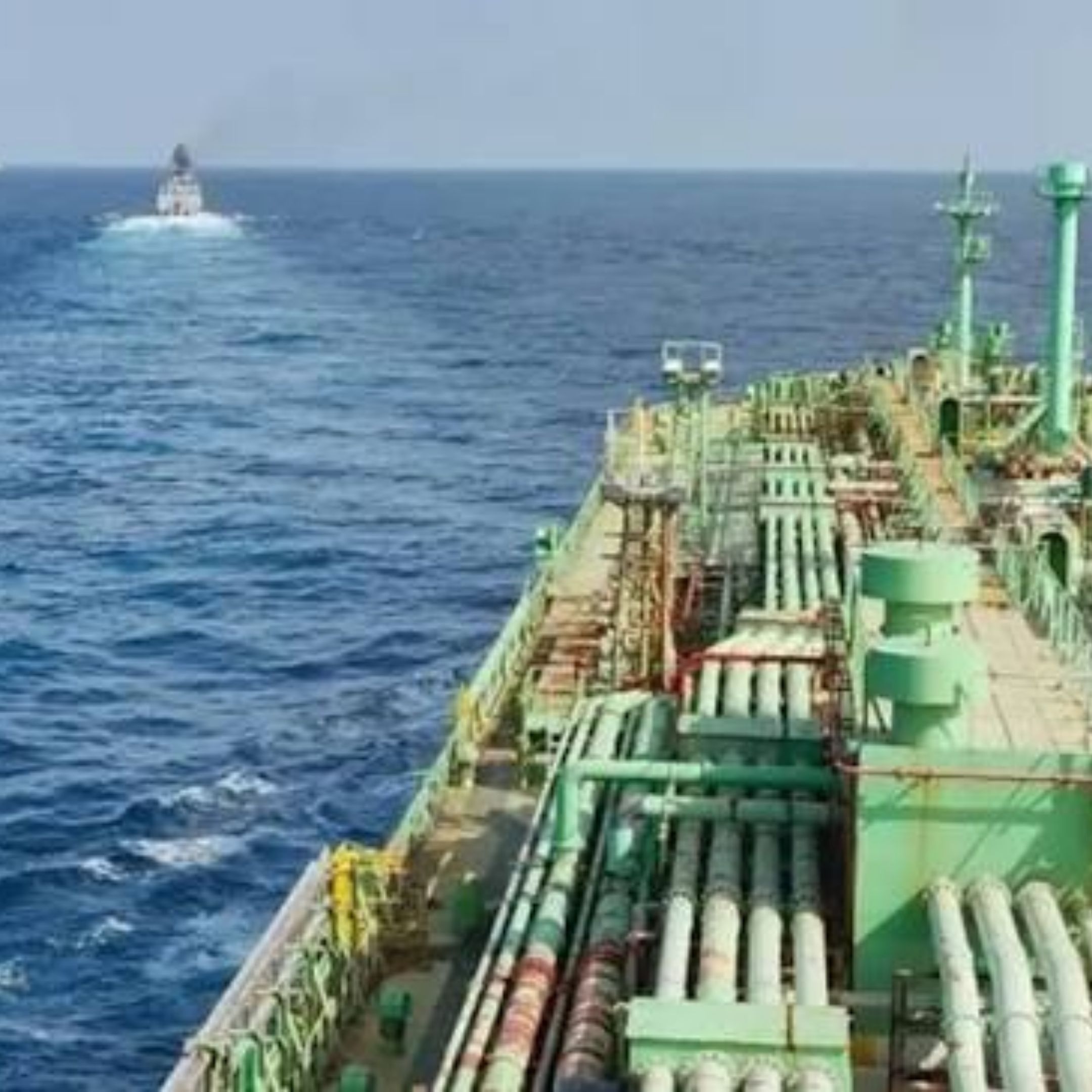
PHOTO COURTESY: newsdeskreports
At the same time, market analysts believe that once normal navigation resumes, the global oil market could quickly shift back toward oversupply. Rating agencies and energy market experts have pointed to existing production capacity and weaker demand growth as factors that could place downward pressure on prices after trade flows normalize.
Recent reports also indicate that vessel traffic through the Strait of Hormuz has gradually increased, contributing to improved market sentiment and easing some concerns about an immediate supply crisis. Oil prices have responded to signs that more cargoes are moving through the region, although uncertainty remains due to ongoing geopolitical tensions.
Industry experts emphasize that even if the strait fully reopens, the market may take months to return to normal conditions. Supply chains, inventories, shipping schedules, and production facilities will require time to recover, leaving energy markets closely monitoring developments in one of the world's most critical maritime chokepoints.
