MARINO PH
Your Maritime Digital Hub

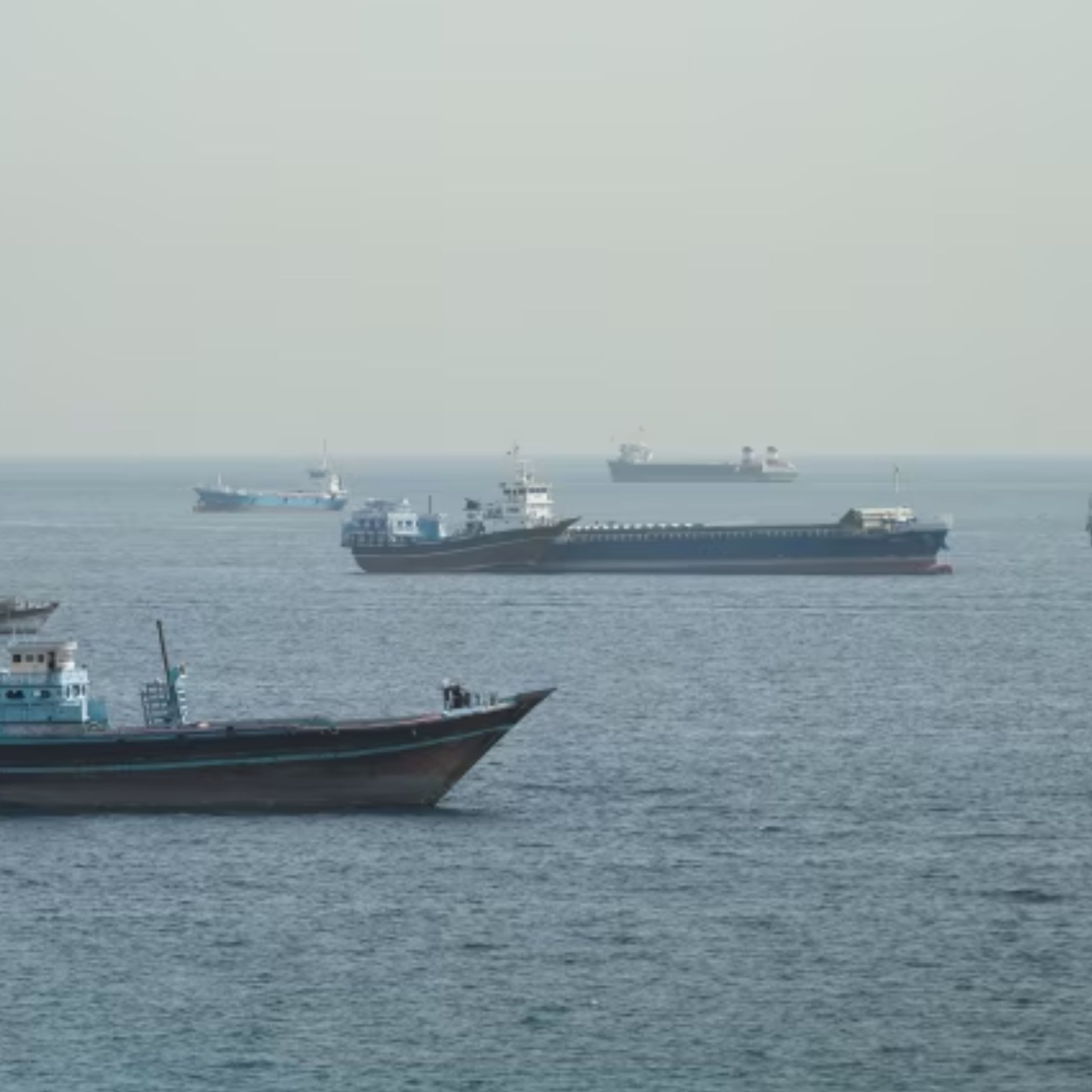
PHOTO COURTESY : reuters
Recent developments in the Gulf region continue to raise concerns within the international maritime community as tensions between Iran, the United States, and regional allies remain unresolved.
Reports indicate that efforts to reach a long-term agreement have faced difficulties, with both sides maintaining different positions on key issues. While diplomatic discussions have taken place in recent months, observers say there are still no clear signs of a lasting settlement. As a result, concerns over regional security and maritime operations remain high.

PHOTO COURTESY : tasnim
The Strait of Hormuz, one of the world’s most important shipping routes, continues to be at the center of the situation. The waterway is responsible for the movement of a large portion of global oil and gas exports, making stability in the area critical for international trade and energy markets.
ADVERTISEMENT
Maritime industry stakeholders are closely monitoring the situation as reports of security incidents, vessel disruptions, and navigation challenges continue to emerge in the region. Recent reports have also highlighted growing concerns over electronic signal interference affecting ships operating near Gulf waters.
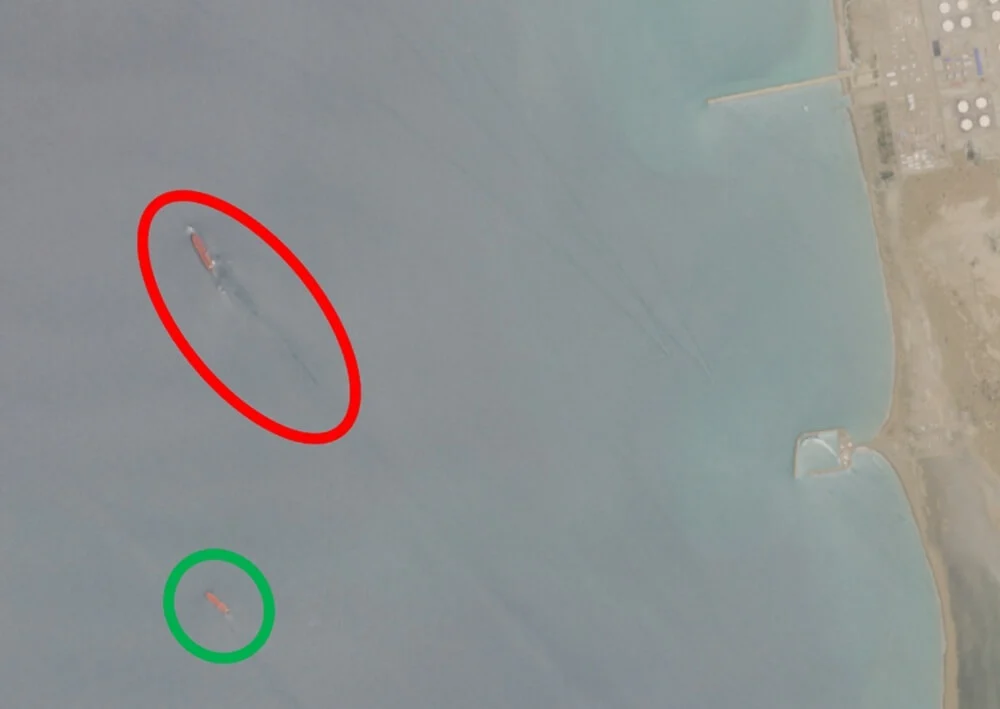
A 313m-long tanker (red) loading on the Kooh Mobarak SPM on May 29, with the Aframax Vernon (green)
The ongoing uncertainty has affected shipping operations, with some vessels facing delays and increased security measures while transiting through the area. Maritime organizations and industry leaders continue to call for safe navigation, freedom of passage, and the protection of seafarers working in high-risk regions.
