MARINO PH
Your Maritime Digital Hub

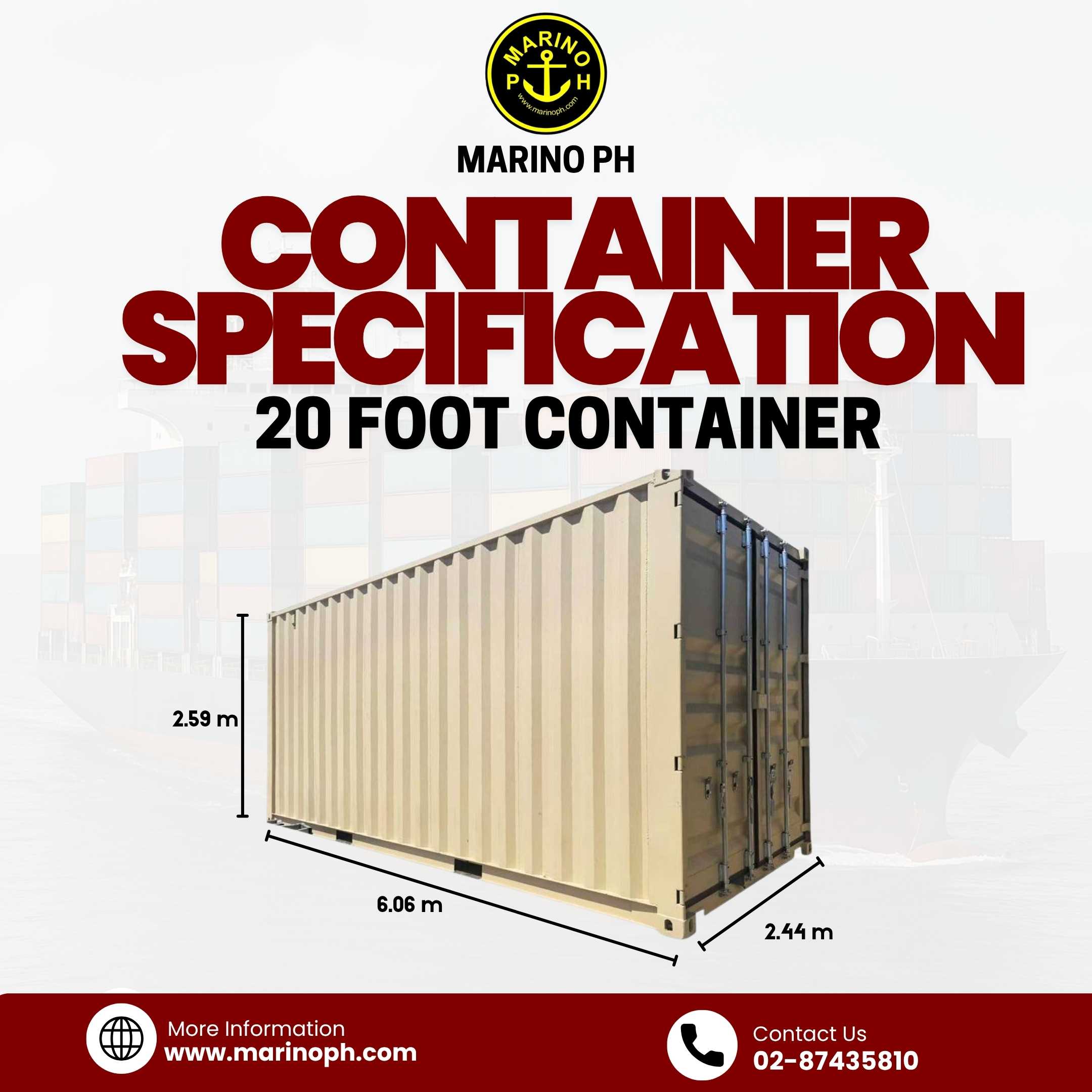
The 20-foot container and 40-foot container are the most commonly used shipping containers in the global maritime industry. The 20-foot container, often called a Twenty-foot Equivalent Unit (TEU), is widely used for heavy cargo such as machinery, metal products, and dense goods. Its compact size makes it easier to handle while still providing enough space for a wide range of cargo. Many shipping lines and ports use the TEU as a standard unit for measuring container capacity and vessel cargo volume.
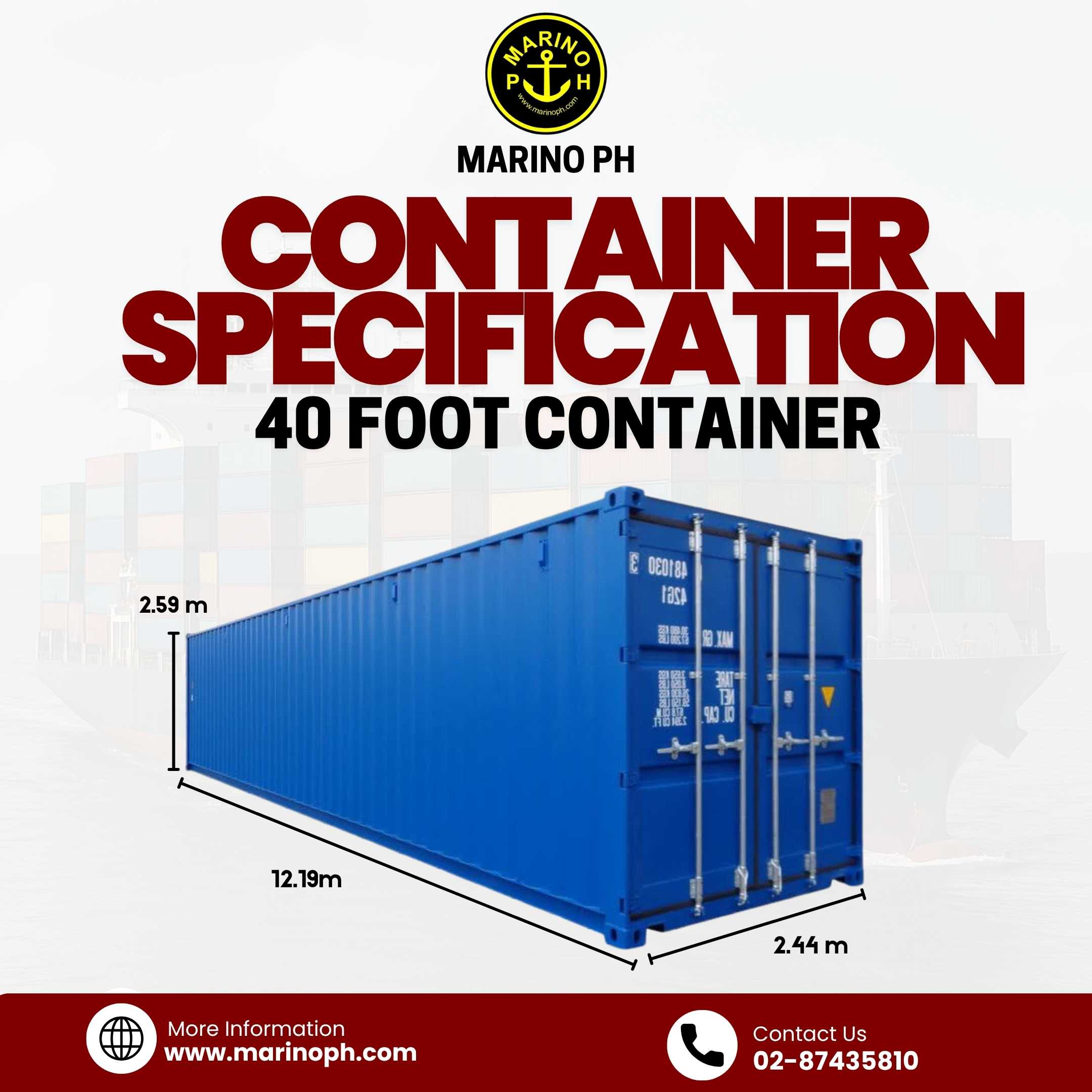
The 40-foot container, also known as a Forty-foot Equivalent Unit (FEU), offers nearly twice the cargo space of a 20-foot container. It is commonly used for lighter but bulkier cargo such as furniture, consumer products, garments, and packaged goods. Because of its larger capacity, shippers can transport more cargo in a single container, helping reduce transportation costs and improve efficiency throughout the supply chain.

ADVERTISEMENT
Both container types play a vital role in international trade and modern shipping operations. They are designed to be easily loaded, stacked, and transferred between ships, trucks, and trains. Their standardized dimensions have helped streamline global logistics, making cargo transportation safer, faster, and more efficient. Today, millions of 20-foot and 40-foot containers move through ports worldwide, supporting the continuous flow of goods between countries and markets.
