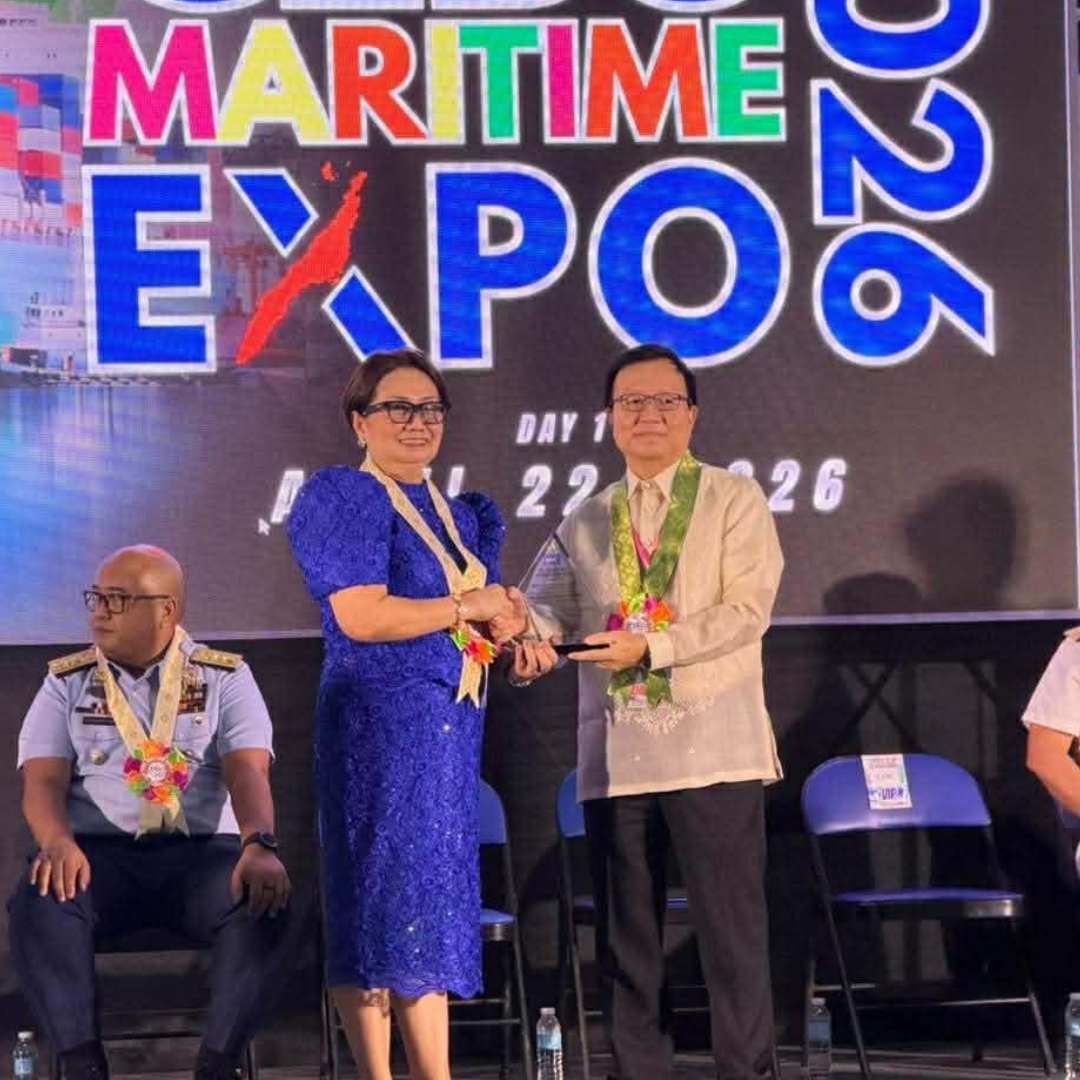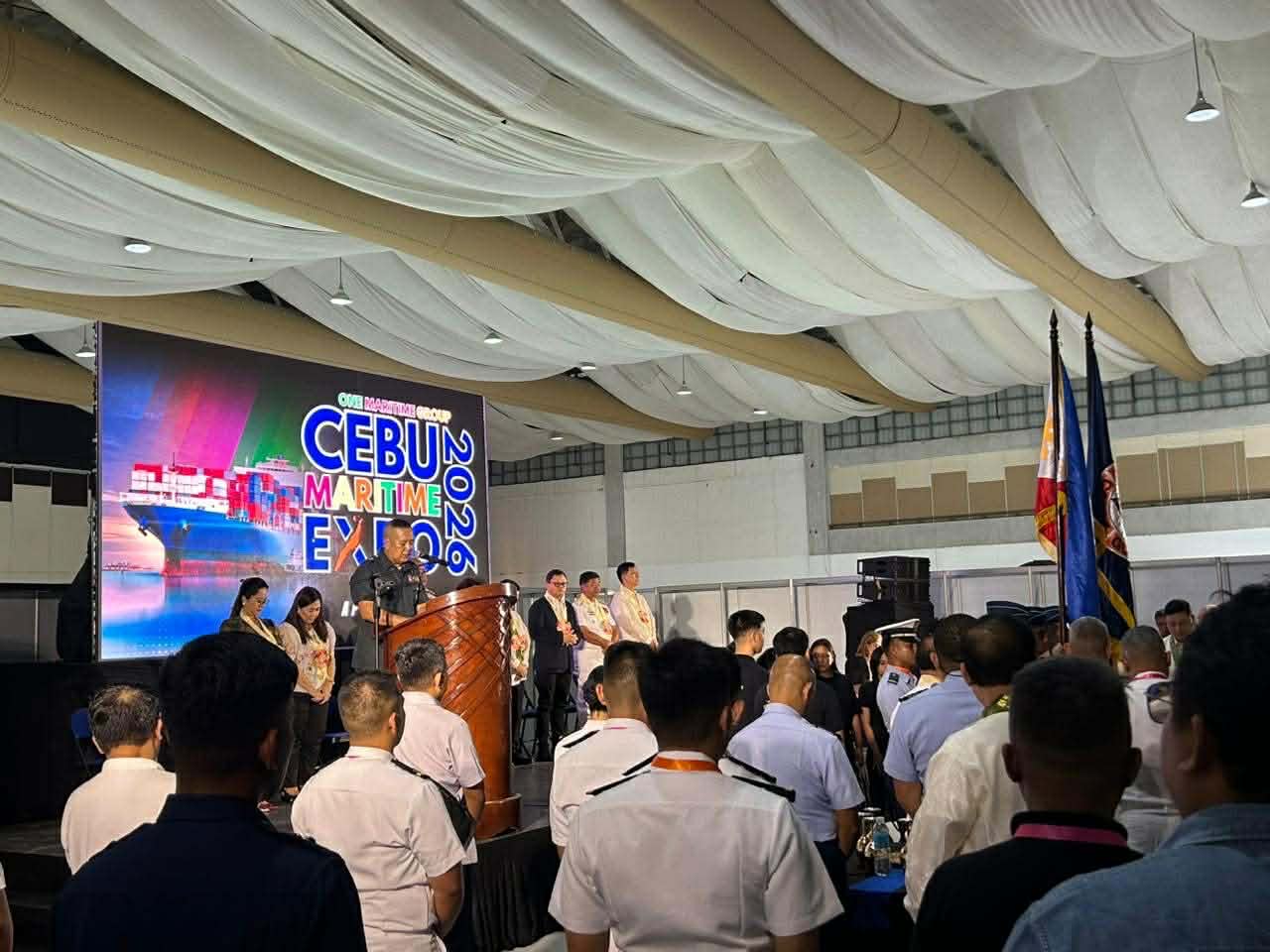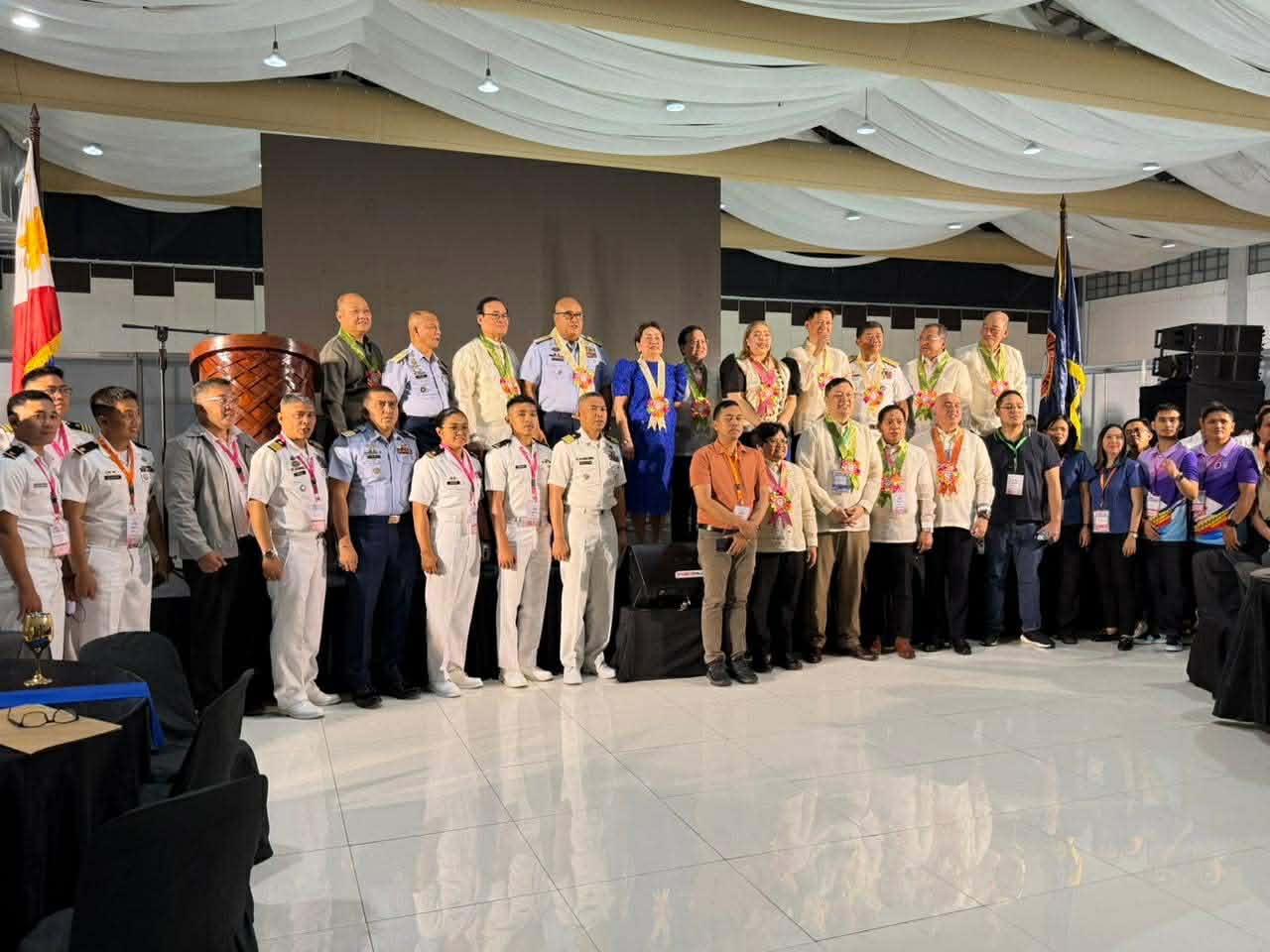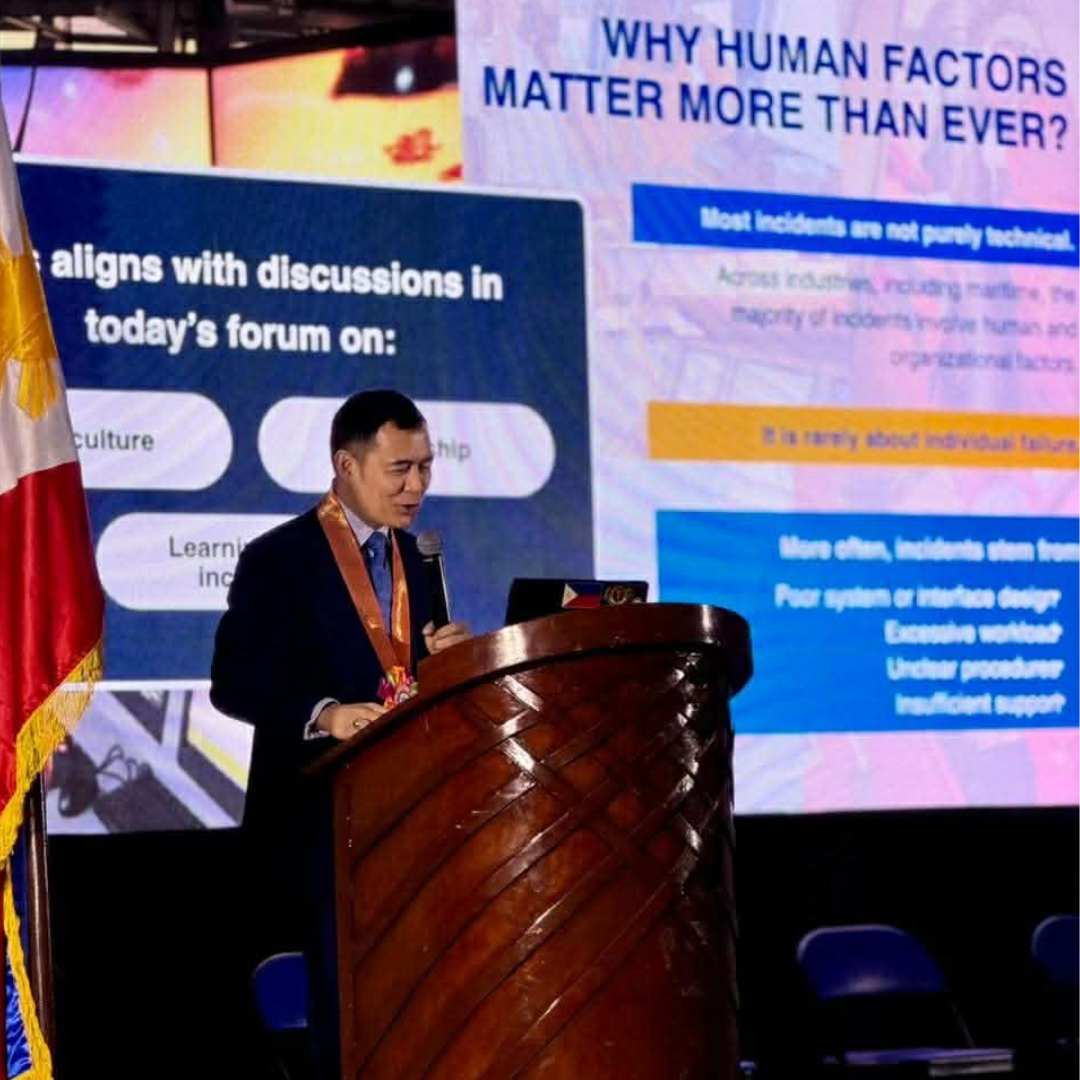
SAFETY4SEA Manila Forum 2026
The 5th SAFETY4SEA Manila Forum has successfully concluded, bringing together maritime leaders, professionals, and stakeholders to discuss safety, human factors, and the future of the maritime industry.
The forum served as a valuable platform for knowledge sharing, meaningful collaboration, and the exchange of practical insights among participants from diverse backgrounds. It encouraged open discussions on best practices, innovative approaches, and real-world experiences aimed at strengthening safety culture across organizations. Through active engagement, attendees were able to learn from one another, identify common challenges, and explore effective solutions. The event also highlighted the importance of continuous improvement, emphasizing proactive strategies, accountability, and collective responsibility.
Through five focused panel discussions, the forum highlighted key challenges and opportunities in the maritime sector, emphasizing leadership, training, and real-life experiences at sea.
Panel 1, “Human Factors in the Evolving Maritime Landscape", featured Samuel L. Batalla (Executive Director, STCW Office, MARINA), Eduardo Ma. R. Santos (President, MAAP), Marl Jeffone Reyes (Business Development Manager, Magsaysay Learning Resources Inc.), and Michael J. Estaniel (Vice President for External Affairs, FAME). The discussion centered on regulatory updates under the STCW Convention and Maritime Labour Convention (MLC), highlighting how standards continue to adapt to global demands. Panelists emphasized that as vessels become more advanced, the role of the seafarer becomes even more critical. Strengthening crew competence, improving performance, and maintaining a proactive safety culture were identified as key priorities. The panel also discussed the impact of automation, digitalization, and decarbonization, noting that while technology is advancing, human judgment, situational awareness, and proper training remain essential to safe operations.
Panel 2, “Experience Transfer & Best Practices for a Safer Future” brought together Iris Baguilat (President, Döhle Seafront Crewing Manila), Giovanni A. Tuapin (President, Intership Crew Philippines), and Fanis Chatzikampouris (Vetting Manager & CSO, Arcadia Shipmanagement). This panel highlighted the importance of sharing operational knowledge and learning from real-world experiences. Speakers discussed current industry challenges, including operational risks and the need for stronger collaboration across stakeholders. At the same time, opportunities for improvement were identified through better communication, structured training, and consistent application of best practices. Leadership played a central role in the discussion, with panelists emphasizing that a strong safety culture starts from the top and must be consistently practiced both onboard and ashore. Learning from incidents and near misses was also highlighted as a key strategy in preventing future accidents and improving overall safety performance.
Panel 3, “The Human Element at Sea: Advancing Safety Culture, Leadership & Wellbeing,” included Leo M. Bolivar (Country Manager, International Registries Far East), Karen Ibanez (Clinical Operations Manager, Mental Health Support Solutions), Muhammad Mahadhir (Loss Prevention Manager, Britannia P&I Club), Marville Cullen P. Espago (Country Manager Philippines, ISWAN), and Christian Angelo P. Lubaton (Managing Director, Nordic Medical Clinic). This panel placed strong focus on the wellbeing of seafarers, recognizing that safety is not only operational but also personal. Discussions highlighted the importance of psychological safety, effective leadership, and accessible support systems. Panelists emphasized the need to address mental health challenges, improve medical support, and ensure that seafarers have access to proper healthcare even while at sea. The concept of a holistic approach to resilience was strongly promoted, integrating leadership, welfare programs, and health initiatives. The panel made it clear that a well-supported crew is more capable, more focused, and ultimately safer in performing their duties.
Panel 4, “Skills & Training for Future-Ready Seafarers,” featured Dr. Alex M. Enriquez (President, Magsaysay Learning Resources Inc.), Antonio Vittorio Terrei (Data Management Manager, Elburg Shipmanagement Philippines), Capt. Sartaj Gill (Senior Vice President, Mintra AS), and Josephine Le (Founder & Managing Director, The Hood Platform). The discussion focused on the evolving skills required in modern shipping. Panelists emphasized that traditional training standards are no longer enough, and that seafarers must be equipped with digital competence, adaptability, and the ability to manage new technologies onboard. Topics such as reskilling, upskilling, and bridging training gaps were discussed, especially in the context of automation and alternative fuels. The panel highlighted that maritime education must continue to evolve to ensure that future seafarers are prepared not only for today’s demands but also for future industry developments.
Panel 5, “Seafarers’ Voice: Life, Work & Expectations at Sea” featured Elmer Abad (Intership Crew Philippines), Yrhen Bernard Sabanal Balinis (YIMO), ender Dave DegamoJ (Magsaysay Maritime Corporation), Hannah Escosura (Intership Crew Philippines), and a Captain from Magsaysay Maritime Corporation. This session provided a platform for active seafarers to share their real-life experiences onboard. Discussions covered both the advantages and challenges of pursuing a maritime career, including workload, onboard conditions, and career expectations. The panel also explored how new technologies are influencing daily operations and shaping the future of seafaring. Importantly, the session highlighted the importance of listening to seafarers’ voices, as their firsthand insights provide valuable guidance for improving policies, training, and working conditions.
Across all panels, one message remained consistent: while the maritime industry continues to advance through technology and innovation, its foundation remains the people who operate it. Strengthening safety culture, investing in training, supporting crew wellbeing, and listening to seafarers are essential steps toward building a safer and more sustainable maritime future.