MARINO PH
Your Maritime Digital Hub

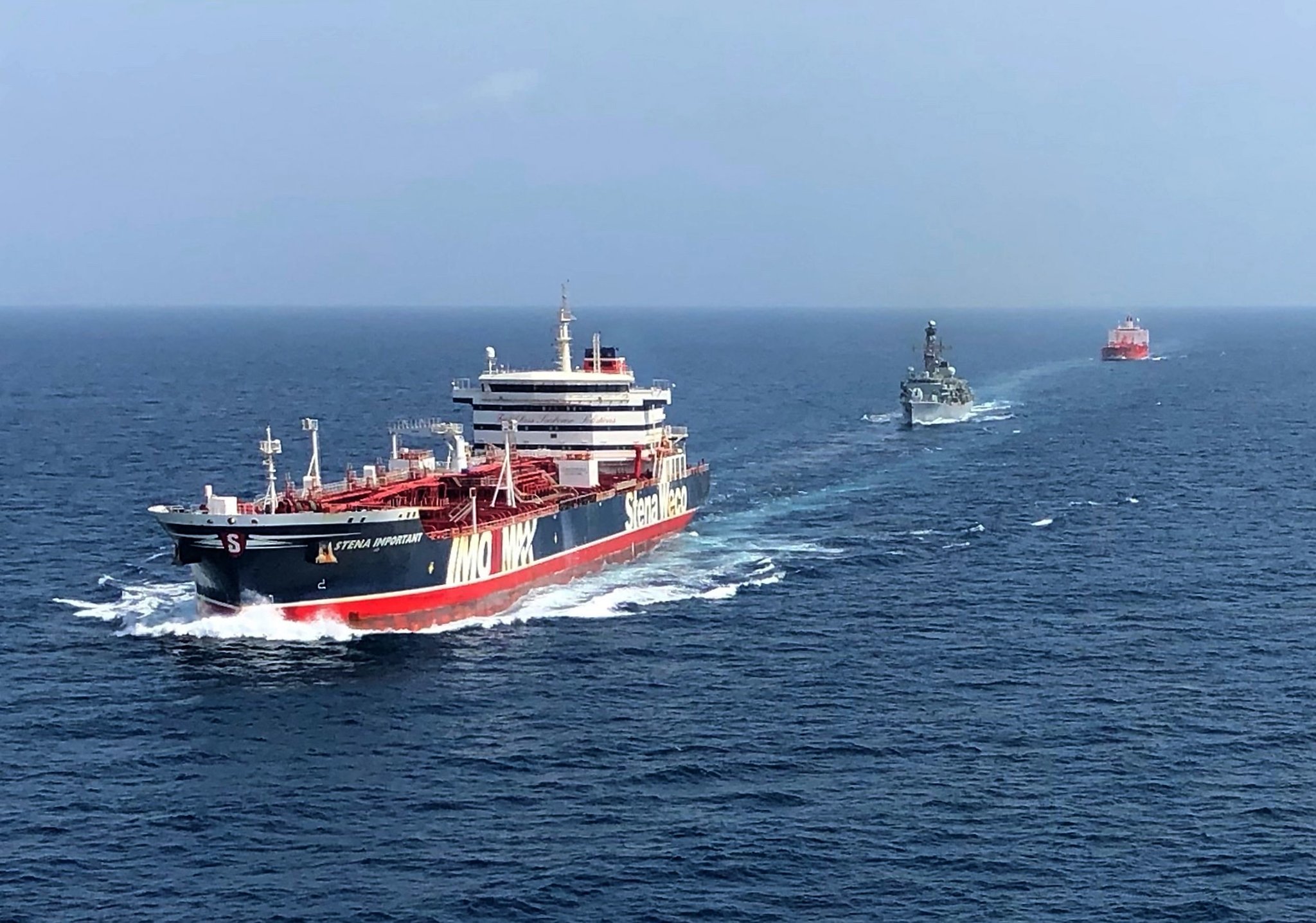
Photo courtesy: Crowley
Malaysia Releases Tankers After Suspected Illegal Oil Transfer, Raising Enforcement Concerns
Malaysian authorities have released two oil tankers that were previously detained on suspicion of conducting an unauthorized ship-to-ship (STS) oil transfer in Malaysian waters, a move that has drawn attention to the challenges of enforcing regulations against so called shadow fleet operations. The vessels were intercepted earlier this year during a maritime patrol off the coast of Penang.
The tankers were initially detained after enforcement officers observed them positioned side-by-side at anchor, a configuration commonly associated with STS oil transfers. Authorities seized a significant quantity of crude oil and detained crew members for questioning as part of an investigation into possible violations of Malaysian maritime and environmental laws.
Following several weeks of review, the vessels were released after the operators posted a financial bond in accordance with local regulations. Malaysian officials stated that the decision was made within the existing legal framework, citing documentation provided by the ship operators regarding the origin and ownership of the cargo.

ADVERTISMENT
Both tankers have since departed Malaysian waters and resumed voyages toward international destinations. Maritime tracking data indicated that at least one of the vessels was fully laden at the time of departure, prompting concern among maritime analysts and sanctions-monitoring groups regarding the broader implications for oversight and deterrence.
The case has highlighted the difficulties faced by coastal states in policing unauthorized STS operations in congested sea lanes. Such transfers are frequently linked to opaque ownership structures and complex logistics designed to obscure cargo origins and evade scrutiny.
Industry observers say the incident underscores the need for stronger regional coordination and clearer enforcement mechanisms to address shadow fleet activity. While Malaysia’s actions demonstrated an initial commitment to maritime compliance, the outcome reflects the limitations faced by national authorities in addressing increasingly sophisticated oil transport networks.
