MARINO PH
Your Maritime Digital Hub

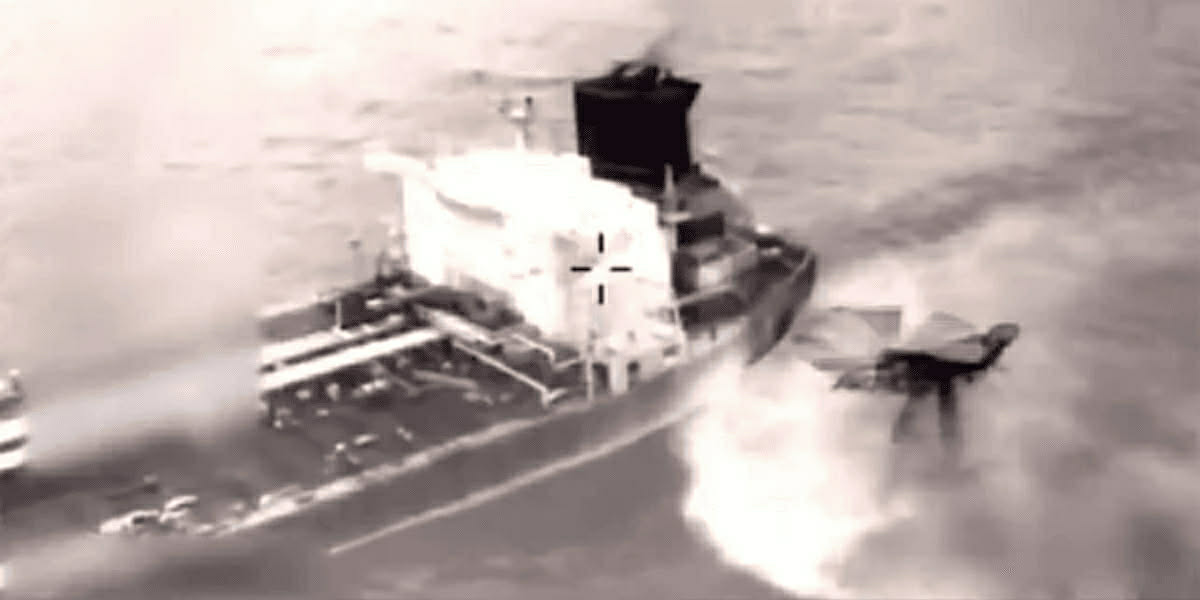
Image Credit: US Southern Command
U.S. Intercepts Fifth Oil Tanker Linked to Venezuelan Crude Exports
United States authorities have intercepted a fifth oil tanker allegedly connected to Venezuelan crude exports, reinforcing Washington’s stepped-up enforcement of sanctions targeting illicit maritime oil trade. The latest operation underscores the U.S. government’s increasing reliance on direct maritime action to curb unauthorized energy shipments.
According to maritime security reports, the vessel was stopped while transiting international waters after intelligence linked it to Venezuelan oil movements conducted outside approved trade channels. The tanker is believed to be part of a broader network of vessels commonly referred to as a “shadow fleet,†which uses tactics such as frequent name changes, opaque ownership structures, and manipulation of tracking systems to avoid detection.
U.S. officials indicated that the interception followed extensive monitoring and coordination among naval and maritime law enforcement units. Authorities cited concerns that the vessel was operating in violation of existing sanctions and maritime regulations, prompting the boarding and seizure operation.

ADVERTISMENT
This incident marks the fifth such interception in recent months, reflecting a sustained campaign by the United States to disrupt oil shipments believed to generate revenue for sanctioned entities. Previous operations have targeted tankers suspected of employing deceptive practices, including sailing under flags of convenience or providing inaccurate registration details.
The intensified enforcement has drawn international attention, with some governments and maritime stakeholders expressing concern over rising tensions and the broader implications for freedom of navigation. Critics argue that such actions risk escalating geopolitical disputes, while U.S. officials maintain that the measures are lawful and necessary to uphold sanctions regimes and international security.
Maritime analysts note that the ongoing crackdown could further complicate global oil logistics, particularly for buyers and intermediaries operating in regions reliant on Venezuelan crude. At the same time, enforcement agencies are expected to continue monitoring shipping routes closely, signaling that additional interceptions remain possible.
As geopolitical pressure mounts, the situation highlights the evolving nature of sanctions enforcement, where traditional economic measures are increasingly paired with operational maritime actions.
