
MARINO PH
Your Maritime Digital Hub

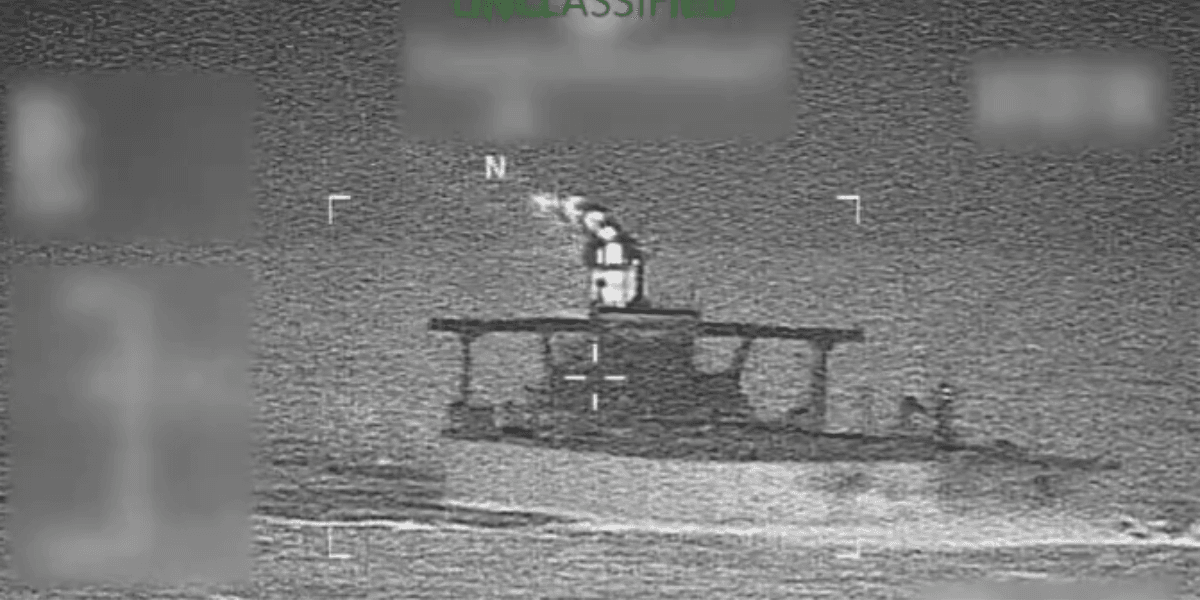
image credit: U.S. Southern Command
January 2026 — U.S. military and law-enforcement authorities have seized an oil tanker suspected of transporting sanctioned Venezuelan crude, underscoring Washington’s intensified efforts to enforce economic restrictions on Venezuela’s energy sector.
According to U.S. officials, the vessel was intercepted in international waters following intelligence assessments that linked the tanker to sanctions-evasion activities. The operation was conducted under a federal court order authorizing the seizure of assets involved in violations of U.S. sanctions laws.
The tanker was allegedly carrying crude oil originating from Venezuela, a country whose oil exports remain heavily restricted under U.S. sanctions aimed at pressuring the government in Caracas. Authorities said the ship was part of a broader network of vessels commonly referred to as a “shadow fleet,†used to transport sanctioned oil through opaque ownership structures, reflagging practices, and altered tracking data.
U.S. officials stated that the seizure followed weeks of monitoring and coordination between multiple agencies, including the U.S. Coast Guard and the Department of Homeland Security. The crew was reported to be safe, and the vessel is now under U.S. control pending legal proceedings.
Venezuelan officials have condemned the action, calling it unlawful and accusing the United States of violating international maritime norms. The incident has also drawn criticism from countries that oppose unilateral sanctions, raising concerns over rising geopolitical tensions and the precedent such seizures may set.
The U.S. government maintains that the operation was lawful and necessary to uphold sanctions enforcement, prevent illicit oil trading, and protect the integrity of international maritime commerce. Officials indicated that similar actions could follow as authorities continue to target vessels suspected of violating sanctions regimes.
The seizure highlights the growing role of maritime enforcement in global sanctions policy, as governments seek to curb the movement of restricted energy supplies amid ongoing geopolitical disputes.
