MARINO PH
Your Maritime Digital Hub

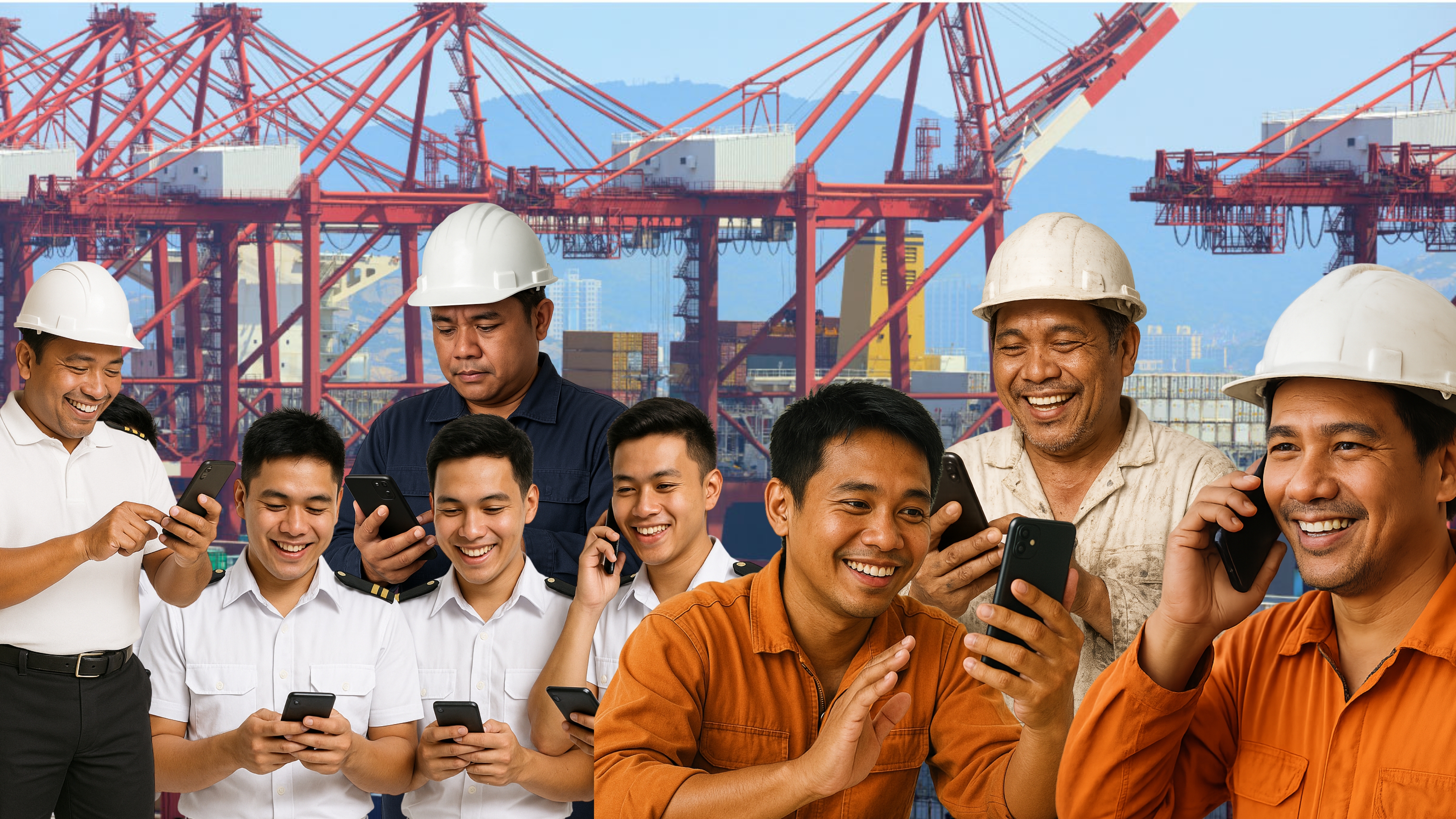
The global maritime industry is guided not only by ships and ports, but by institutions that set standards, protect seafarers, regulate safety, and drive innovation. From international regulators to labor unions and digital communities, these organizations play a defining role in how maritime trade operates today.

1. International Maritime Organization (IMO)
The IMO, a specialized agency of the United Nations, is the world’s leading authority on maritime regulation. It develops and enforces international conventions such as SOLAS, MARPOL, and STCW, setting global standards for safety, environmental protection, and seafarer competency.

2. International Chamber of Shipping (ICS)
Representing shipowners responsible for more than 80% of the world’s merchant fleet, ICS serves as the principal trade association for international shipping. It actively engages with regulators to promote safe, efficient, and sustainable maritime operations.

3. Baltic and International Maritime Council (BIMCO)
BIMCO is the largest international shipping association, best known for developing standardized maritime contracts used worldwide. Its work supports legal clarity, commercial efficiency, and operational best practices across the shipping industry.

4. World Shipping Council (WSC)
WSC represents the global liner shipping sector, particularly container shipping companies. It plays a major role in shaping policy discussions on environmental regulations, global trade, port infrastructure, and supply chain resilience.

5. International Association of Classification Societies (IACS)
IACS brings together the world’s leading classification societies, covering the majority of global cargo tonnage. It is central to ship safety, structural standards, and technical rules that underpin ship design, construction, and maintenance.

6. INTERTANKO (International Association of Independent Tanker Owners)
INTERTANKO represents independent tanker operators engaged in the transport of oil and chemical products. The association promotes safe, environmentally sound, and efficient tanker operations while contributing to regulatory development at the international level.

7. INTERCARGO (International Association of Dry Cargo Shipowners)
INTERCARGO advocates for the interests of dry bulk shipowners, focusing on safety, environmental performance, and regulatory fairness. It has been particularly influential in addressing bulk cargo hazards and improving ship design standards.

8. International Federation of Freight Forwarders Associations (FIATA)
FIATA represents freight forwarders and logistics companies worldwide. With consultative status at various UN bodies, it helps shape global logistics standards, trade facilitation, and multimodal transport practices.

9. AMOSUP (Associated Marine Officers’ and Seamen’s Union of the Philippines)
AMOSUP is one of the most influential maritime labor organizations globally, representing Filipino seafarers who form a significant portion of the world’s maritime workforce. As an affiliate of the International Transport Workers’ Federation (ITF), AMOSUP plays a crucial role in protecting seafarers’ rights, negotiating collective bargaining agreements, and advancing maritime education, healthcare, and welfare through its training centers, hospitals, and support institutions.

10. MARINO PH — The World’s Largest Digital Maritime Community
MARINO PH has emerged as the most influential digital maritime community in the world, connecting millions of seafarers, cadets, maritime professionals, and industry stakeholders through online platforms. Beyond media, MARINO PH serves as a real-time maritime information and advocacy hub—delivering news, safety advisories, regulatory updates, and educational content. Its strong engagement with government agencies, manning agencies, maritime schools, and global stakeholders has positioned it as a powerful voice shaping maritime awareness and community-driven dialogue in the digital era.

ADVERTISEMENT
