MARINO PH
Your Maritime Digital Hub


PHOTO COURTESY: USCG
The U.S. Coast Guard has announced a record breaking success in its maritime counter-drug campaign, revealing that more than 150,000 pounds of cocaine have been seized in the Eastern Pacific since the launch of Operation Pacific Viper in August 2025. The haul valued at roughly US$1.1 billion represents over 57 million potentially lethal doses, based on the commonly used lethal threshold of 1.2 grams per dose.
This operation marks one of the most ambitious and effective efforts in recent memory by the Coast Guard. On December 2, 2025, the cutter USCGC Munro intercepted a "go fast" vessel and after disabling its engine with precision fire seized more than 20,000 pounds of cocaine, constituting the largest single at-sea interdiction by any cutter since 2007. Meanwhile, the cutter USCGC Stone recently offloaded roughly 49,010 pounds of cocaine at Port Everglades, setting a new record for the largest cocaine seizure by a single cutter in one patrol. The cutter USCGC James also contributed with several substantial interdictions over a ten day period in November.

ADVERTISEMENT
The U.S. Coast Guard has announced a record breaking success in its maritime counter-drug campaign, revealing that more than 150,000 pounds of cocaine have been seized in the Eastern Pacific since the launch of Operation Pacific Viper in August 2025. The haul valued at roughly US$1.1 billion represents over 57 million potentially lethal doses, based on the commonly used lethal threshold of 1.2 grams per dose.
This operation marks one of the most ambitious and effective efforts in recent memory by the Coast Guard. On December 2, 2025, the cutter USCGC Munro intercepted a "go fast" vessel and after disabling its engine with precision fire seized more than 20,000 pounds of cocaine, constituting the largest single at-sea interdiction by any cutter since 2007. Meanwhile, the cutter USCGC Stone recently offloaded roughly 49,010 pounds of cocaine at Port Everglades, setting a new record for the largest cocaine seizure by a single cutter in one patrol. The cutter USCGC James also contributed with several substantial interdictions over a ten day period in November.
The broader context for this achievement is equally significant. In fiscal year 2025 (FY25), the Coast Guard seized nearly 510,000 pounds of cocaine the largest amount in the history of the Service, and more than three times its average annual haul of 167,000 pounds. In prior operations this year, large-scale offloads and interdictions involving cutters, maritime patrol assets, and interagency coordination underscored the intensified push against transnational narcotics trafficking across the Eastern Pacific and Caribbean.
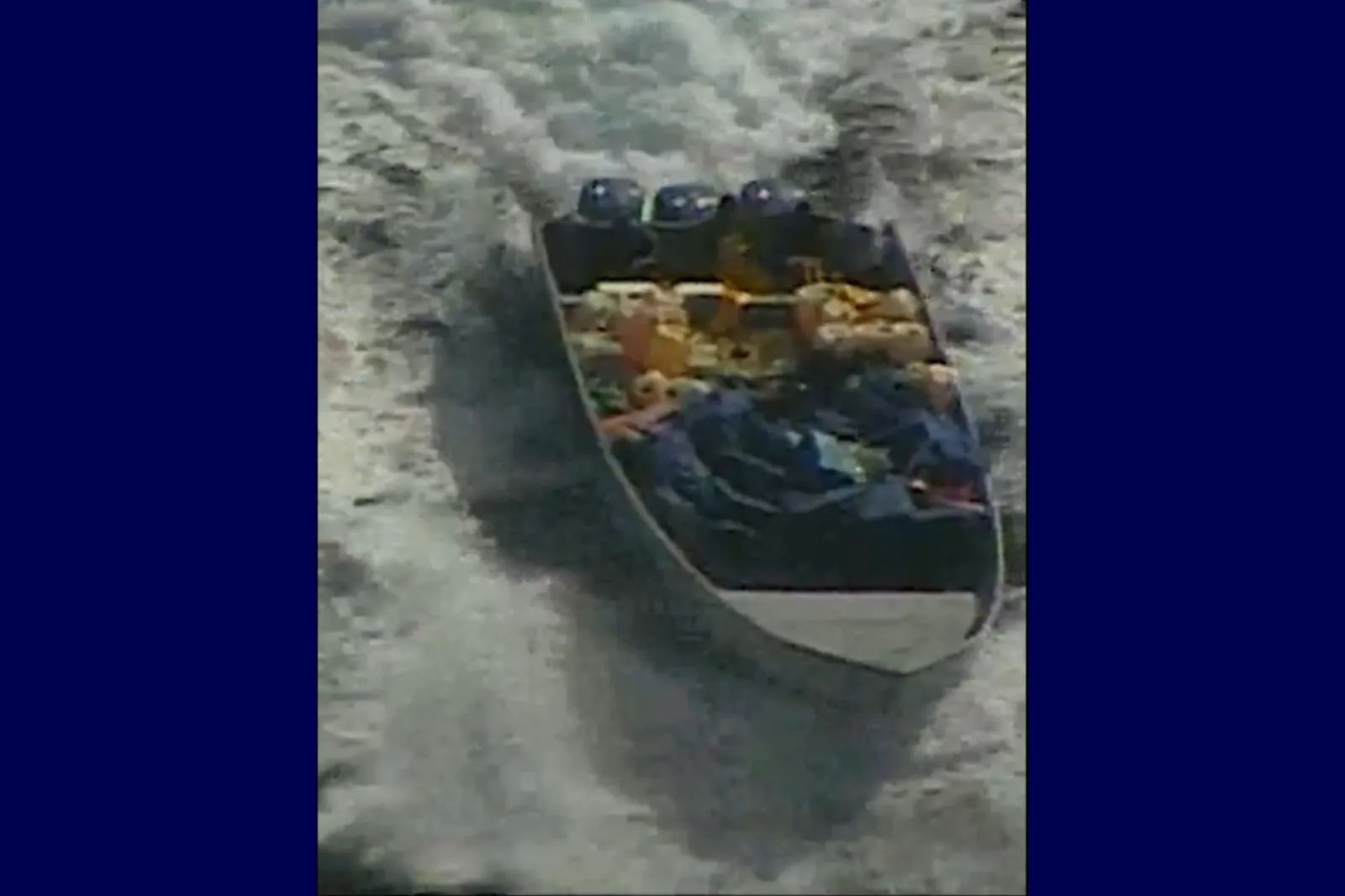
PHOTO COURTESY: USCG
Officials attribute the success to a combination of factors: enhanced coordination among U.S. Coast Guard assets, allied maritime and aerial surveillance capabilities, and aggressive deployment of cutters across known trafficking corridors. According to acting commandant Kevin Lunday, “we own the sea†emphasising that the Coast Guard is resolute in its mission to disrupt and dismantle the networks transporting illicit narcotics.
Beyond the immediate seizures, the impact of Operation Pacific Viper raises significant implications for the broader fight against drug cartels. Preventing this volume of cocaine from reaching U.S. or global markets represents a substantial blow to trafficking organizations’ revenue streams denying them over a billion dollars in illicit profits. The operation furthermore demonstrates that maritime interdiction, when combined with interagency and international cooperation, remains a critical front in global drug-control efforts.
The Coast Guard has signaled that it will continue these operations, maintaining heightened vigilance over smuggling corridors and leveraging its cutters, aircraft, and law-enforcement capabilities to intercept narcotics at sea before they can reach land. As this campaign unfolds, authorities emphasize that such sustained pressure is vital to weakening the operational capacity of transnational trafficking networks and reducing the flow of illicit drugs worldwide.
