MARINO PH
Your Maritime Digital Hub

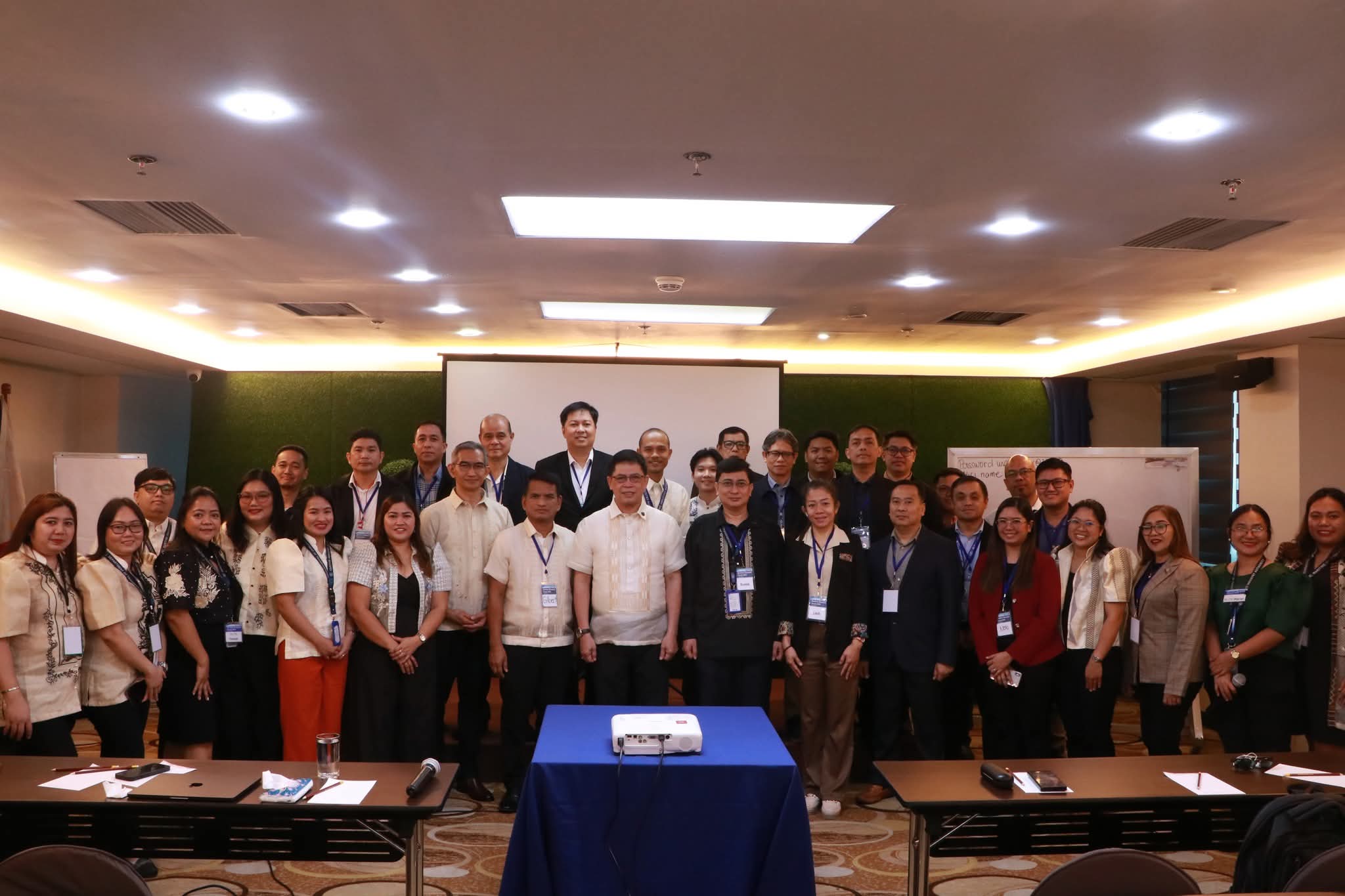
PHOTO COURTESY: MARINA
The Maritime Industry Authority (MARINA), through its STCW Office, convened maritime experts, academic partners, and industry stakeholders during the 2025 Maritime Research Forum held on 13–14 November 2025 in Manila. The forum focused on advancing national research efforts and elevating training standards for the safe operation of ships powered by alternative fuels and emerging technologies.
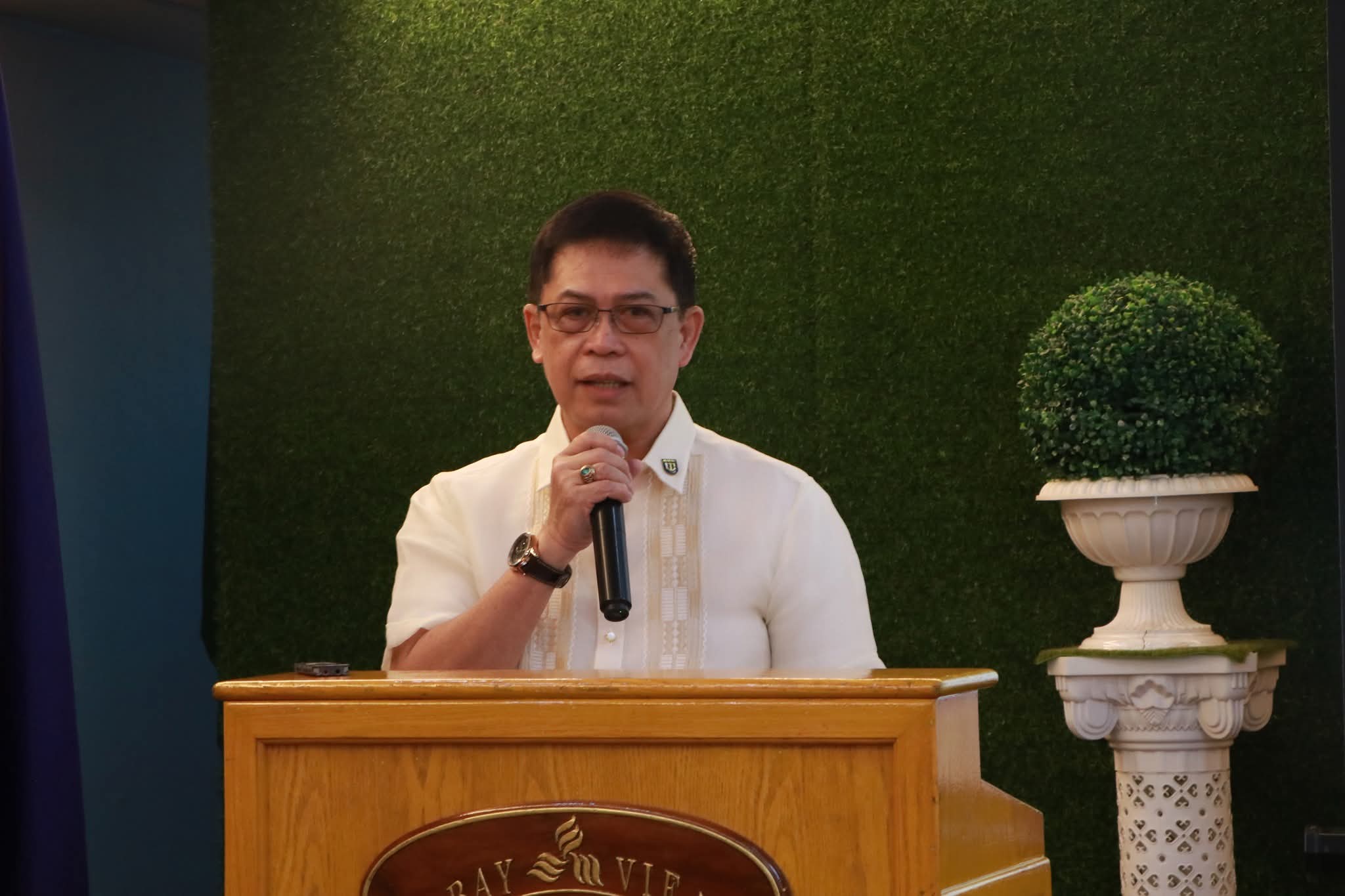
PHOTO COURTESY: MARINA
In his welcome remarks, STCW Office Executive Director Samuel L. Batalla underscored that the research initiatives reflect MARINA’s proactive response to global developments in shipping. He reaffirmed the agency’s commitment to ensuring that Filipino seafarers remain globally competitive, adaptable, and aligned with the evolving demands of the maritime industry.
Throughout the two-day event, the STCW Office’s Research and Development Division (RDD) presented the completed research study titled “Seafarers’ Training Requirements on the Safe Operation of Ships Using Zero or Near Zero GHG Emission Fuels and Technologies.†The study covered three major components:
• A systematic literature review of the skills and competency requirements for operating ships using alternative fuels
• Benchmarking of international best practices on alternative-fuel ship operations
• An assessment of the skills and competencies of Filipino seafarers in relation to alternative-fuel technologies

ADVERTISEMENT
The forum also featured the presentation of MARINA’s proposed training framework for the safe operation of ships using zero or near-zero emission fuels, alongside preliminary findings on the impact assessment and skills requirements needed for the operation of Maritime Autonomous Surface Ships (MASS).
In his closing message, STCW Office Deputy Executive Director Capt. Vicente C. Navarro emphasized that the discussions held during the forum serve as a starting point for sustained collaboration. He highlighted the importance of transforming research findings into practical training programs and policy developments that will support the future of maritime education and workforce readiness.
The event concluded with a collective call to strengthen multi-sector cooperation to ensure that MARINA’s training and certification standards remain aligned with global advancements—supporting the continued competitiveness and future-readiness of Filipino seafarers.
