MARINO PH
Your Maritime Digital Hub

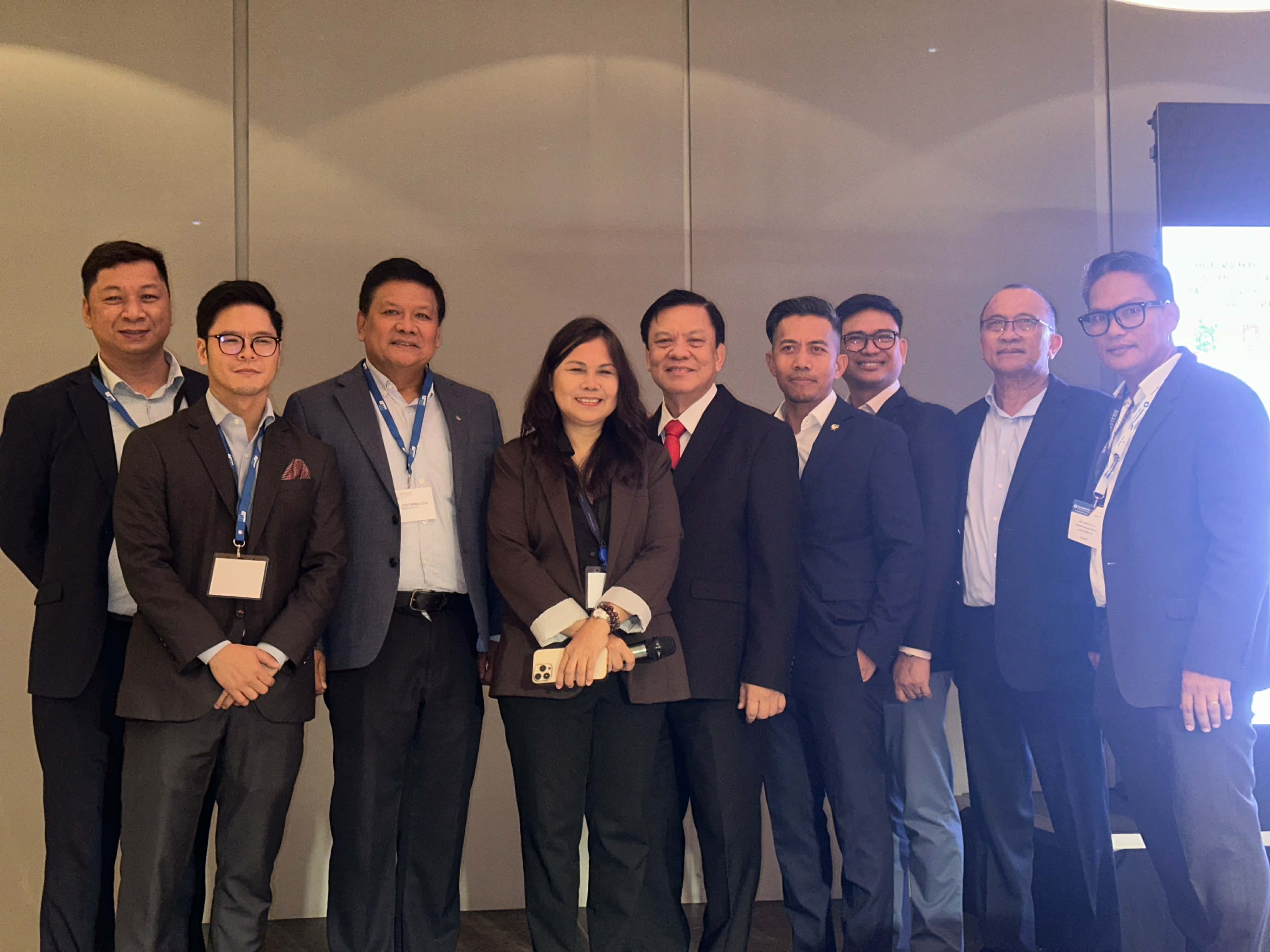
An exclusive press conference and presentation was held t at Shangri-La at the Fort, Bonifacio Global City, led by the Association of Licensed Manning Agencies (ALMA) Maritime Group in partnership with the University of Asia and the Pacific – Center for Research and Communication (UA&P-CRC). The event served as the official launch of the landmark study titled “The Overseas Seafarers’ Industry Profile, Structure, and Impact on the Philippine Economy.â€This research is considered the most extensive and data-driven assessment of the Filipino seafaring sector ever conducted.
For many years, the contributions of Filipino seafarers have been primarily recognized through their remittances, which support millions of households and play a major role in sustaining national economic stability. However, the study expands this perspective by examining the broader influence of the maritime sector across various economic layers. It highlights how the industry helps generate employment on land and at sea, supports maritime education and training institutions, stimulates growth in port and logistics industries, and contributes to national income and development planning.

The report illustrates how Filipino seafarers remain essential participants in the global shipping and logistics chain. They crew international merchant fleets, operate complex maritime systems, and ensure the continuous flow of global trade. Their skills, professionalism, and reliability have established the Philippines as one of the world’s largest and most trusted sources of maritime manpower.

The launch also emphasized the importance of preparing the Philippine maritime workforce for emerging challenges and changes within the global shipping sector. These include digitalization of vessel operations, increased automation, sustainability standards, new international compliance frameworks, and evolving crew welfare priorities. The study’s findings and recommendations aim to guide policymakers, maritime organizations, training institutions, and industry partners in shaping a strategic roadmap that ensures long-term competitiveness.

ADVERTISEMENT
Key recommendations include strengthening maritime education and training programs, improving global collaboration and industry alignment, enhancing regulatory support, investing in technology-driven learning, and reinforcing seafarer welfare systems. The study also calls for a unified approach across government agencies, private sector partners, and educational institutions to support a strong, adaptable, and future-ready maritime workforce.

Through this landmark initiative, ALMA and UA&P-CRC reaffirm the crucial role of Filipino seafarers—not only as economic contributors, but as pillars of global maritime operations. The event marks a significant step toward informed decision-making, sustainable industry development, and continued leadership of the Philippines in the international maritime sector.
