MARINO PH
Your Maritime Digital Hub


WHAT IS A MARINE BOILER?
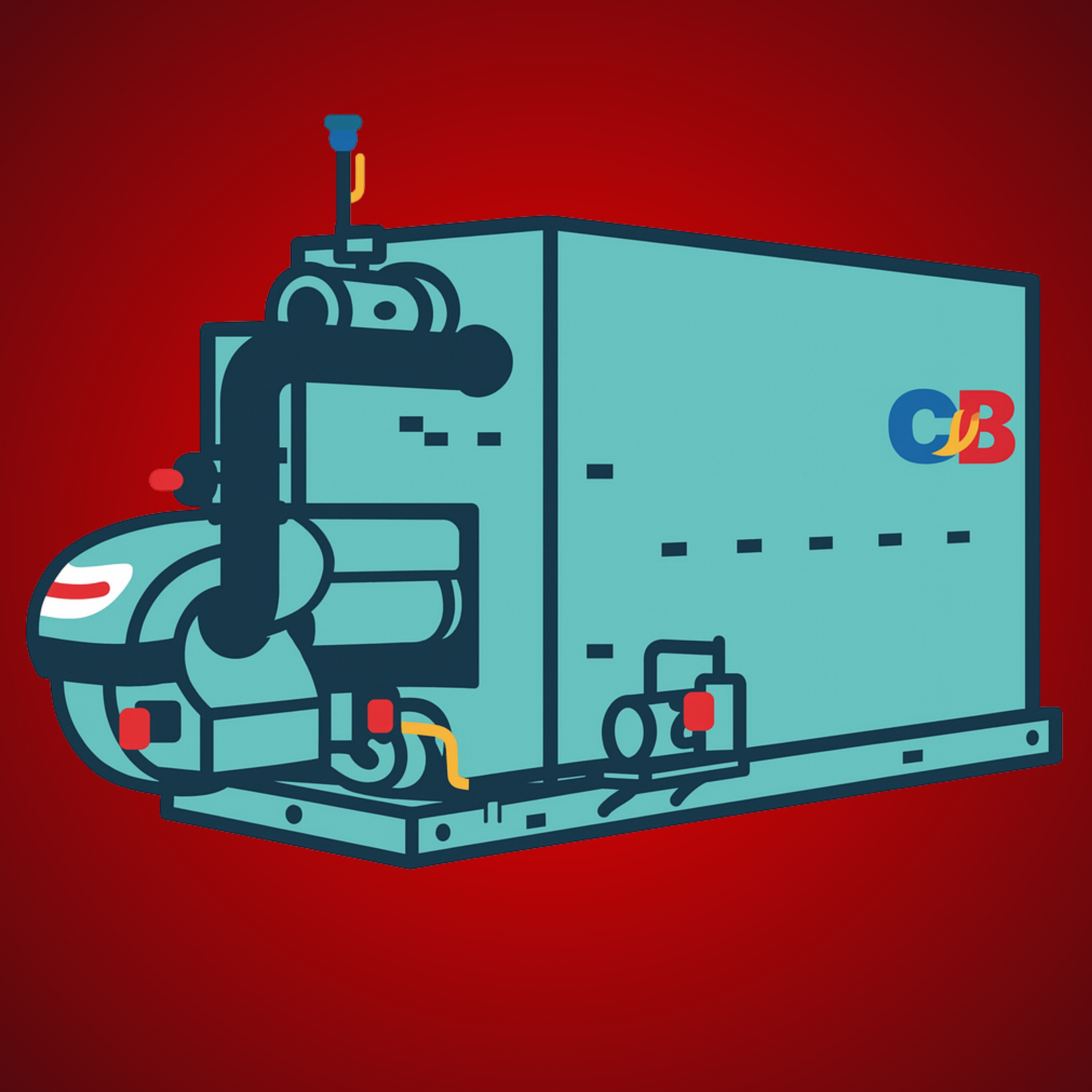
A marine boiler is a high-pressure vessel installed on ships to heat water and convert it into steam, which is then used for propulsion, power generation, or operating essential auxiliary systems. Unlike land-based boilers, marine boilers must be compact, durable, and capable of functioning reliably under constant motion, vibration, and varying sea conditions. Their design emphasizes strength, efficiency, and safety to ensure consistent steam production throughout a ship’s voyage.
A BRIEF HISTORICAL BACKGROUND
The origins of marine boilers trace back to the early 1800s, when steam engines dramatically changed maritime transportation. Early boilers were basic fire-tube types that burned coal to heat tubes carrying hot gases through water. As technology progressed into the late 19th and early 20th centuries, water-tube boilers became more common due to their ability to handle higher pressures and improved operational safety. Over time, advancements in materials, combustion systems, and automation led to compact, highly efficient boilers suited for modern vessels. These innovations not only boosted performance but also significantly enhanced reliability and crew safety.
HOW A MARINE BOILER WORKS
A marine boiler functions by burning fuel traditionally marine fuel oil, though alternative fuels are becoming more common inside a furnace. The heat produced travels through tubes (in fire-tube designs) or across external surfaces of water-filled tubes (in water-tube designs). As the water absorbs heat, it converts into steam under controlled pressure. The resulting steam is collected in a steam drum or header and distributed to various systems onboard. Depending on the vessel type, this steam may drive turbines, support heating systems, operate fuel or cargo-handling equipment, or power steam-driven generators.
PURPOSE AND IMPORTANCE IN MARINE ENGINEERING
The primary purpose of a marine boiler is to supply steam for essential shipboard operations. On older or steam-powered ships, boilers serve as the heart of propulsion systems. On most modern vessels powered by diesel or gas engines, boilers fulfill auxiliary functions—heating heavy fuel oil for proper viscosity, producing hot water, powering cargo pumps (especially on tankers), generating inert gas for safety, or driving equipment requiring steam. Without a dependable boiler, many critical tasks on board would be impossible to perform effectively.
TYPES OF MARINE BOILERS
Fire-Tube Boilers:
These have hot combustion gases traveling inside tubes surrounded by water. They are simpler in design and suitable for low- to medium-pressure requirements but are less efficient at high outputs.
Water-Tube Boilers:
In these systems, water flows inside narrow tubes heated by external combustion gases. They can withstand significantly higher pressures and offer superior efficiency, making them the preferred type on most modern ships.
KEY ADVANTAGES
1. High Efficiency: Modern boilers are designed to optimize combustion and heat transfer, reducing fuel consumption.
2. Enhanced Safety: Safety valves, automated controls, and advanced monitoring systems help maintain safe operating conditions.
3. Versatility:One boiler can support propulsion, heating, cargo operations, and electrical power production.
4. Lower Emissions: Innovations such as economizers and waste-heat recovery systems contribute to cleaner and more economical operations.

MODERN ROLE & ENVIRONMENTAL EVOLUTION
As the maritime industry moves toward greener operations, marine boilers continue to evolve. Waste-heat recovery units capture heat from main engine exhausts to produce steam without additional fuel. New designs support cleaner fuels and comply with International Maritime Organization (IMO) emission standards. These improvements help reduce greenhouse gases while maintaining reliable onboard performance.
SUMMARY OF THE TOPIC
A marine boiler is a vital component of ship operations, converting water into steam for propulsion and essential services. With a long history and continuous technological development, modern marine boilers are efficient, safe, and adaptable. As shipping embraces more sustainable technologies, the marine boiler remains a core element of maritime engineering supporting efficient, safe, and environmentally responsible vessel operations
