MARINO PH
Your Maritime Digital Hub

Hegseth on social media / X
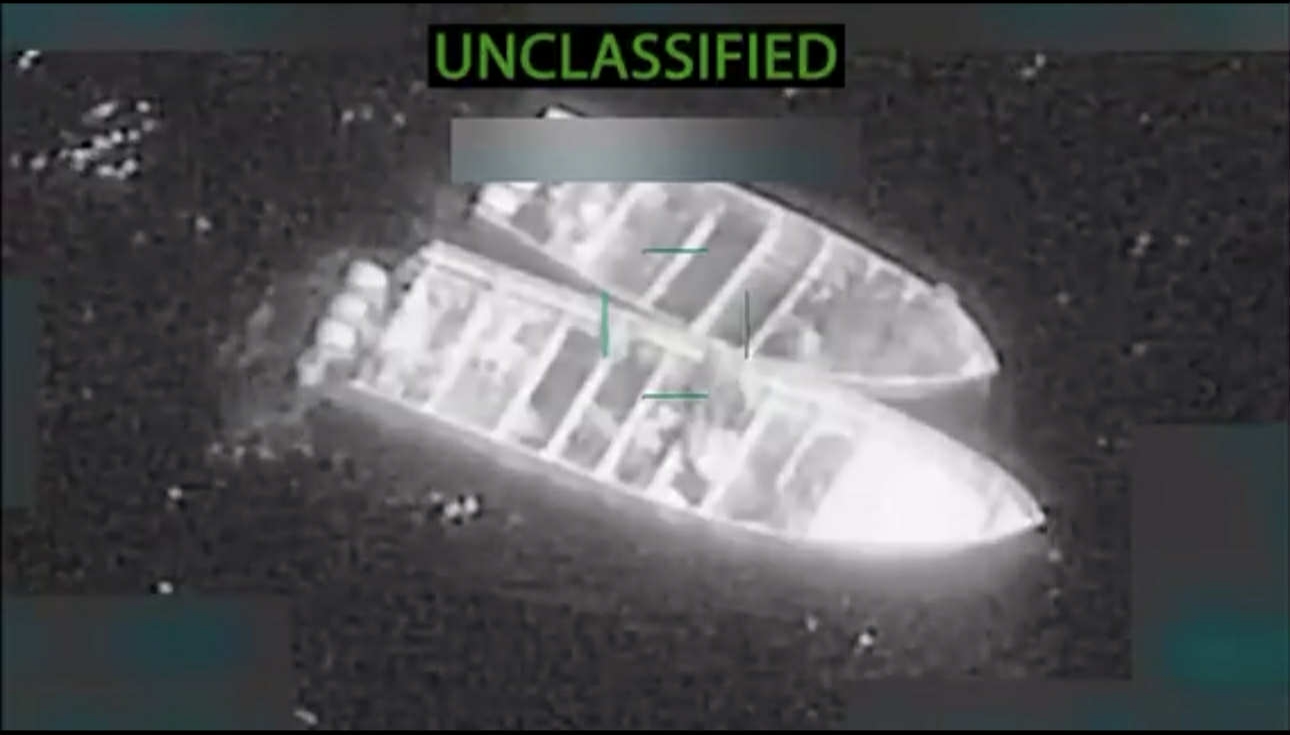
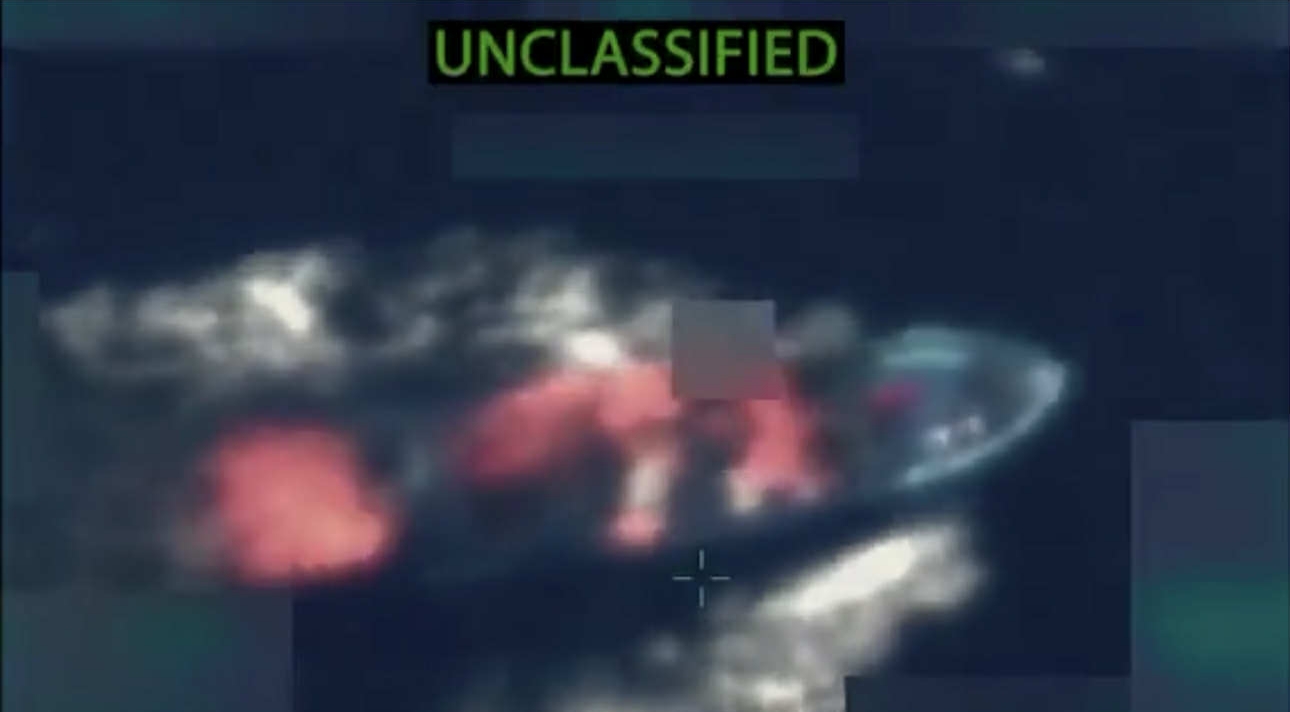
The United States has significantly escalated its maritime counter-narcotics operations in the Eastern Pacific, carrying out a series of targeted strikes against boats allegedly engaged in drug smuggling. According to reports, at least four vessels were destroyed in a single day, resulting in multiple fatalities.
Video footage released online shows U.S. forces engaging fast-moving craft along known drug-trafficking routes off the coast of Colombia. The strikes were reportedly conducted under the authority of U.S. Southern Command, as part of ongoing efforts to disrupt transnational criminal networks operating in international waters.
Preliminary accounts suggest four boats were neutralized, with 14 individuals confirmed dead and others possibly missing. The U.S. military has described the targets as vessels connected to organizations involved in both narcotics trafficking and terrorism financing. Social media posts from American officials characterized the operation as a necessary measure to “eliminate narco-terrorist threats†in the region.
Since early September, U.S. forces have reportedly conducted over a dozen similar operations, destroying multiple boats and seizing significant amounts of contraband. These actions highlight a strategic shift toward more aggressive maritime enforcement, blending anti-drug missions with counter-terrorism objectives.
Hegseth on social media / X
The strikes, carried out in international waters, have sparked discussions over the jurisdiction and legal basis of such unilateral military actions. Neighboring nations, including Colombia and Mexico, have been notified of potential survivors and recovery efforts, though official responses remain limited.
Analysts note that the intensified U.S. presence may force drug syndicates to alter smuggling routes or employ new vessel types to evade detection. However, concerns persist about potential collateral damage and the implications for regional maritime security.
As Washington expands its maritime interdiction campaign, observers expect closer coordination with regional partners and heightened scrutiny of cross-border operations in the Pacific drug corridor.
