MARINO PH
Your Maritime Digital Hub


Opening Ceremony: Leaders Set the Tone
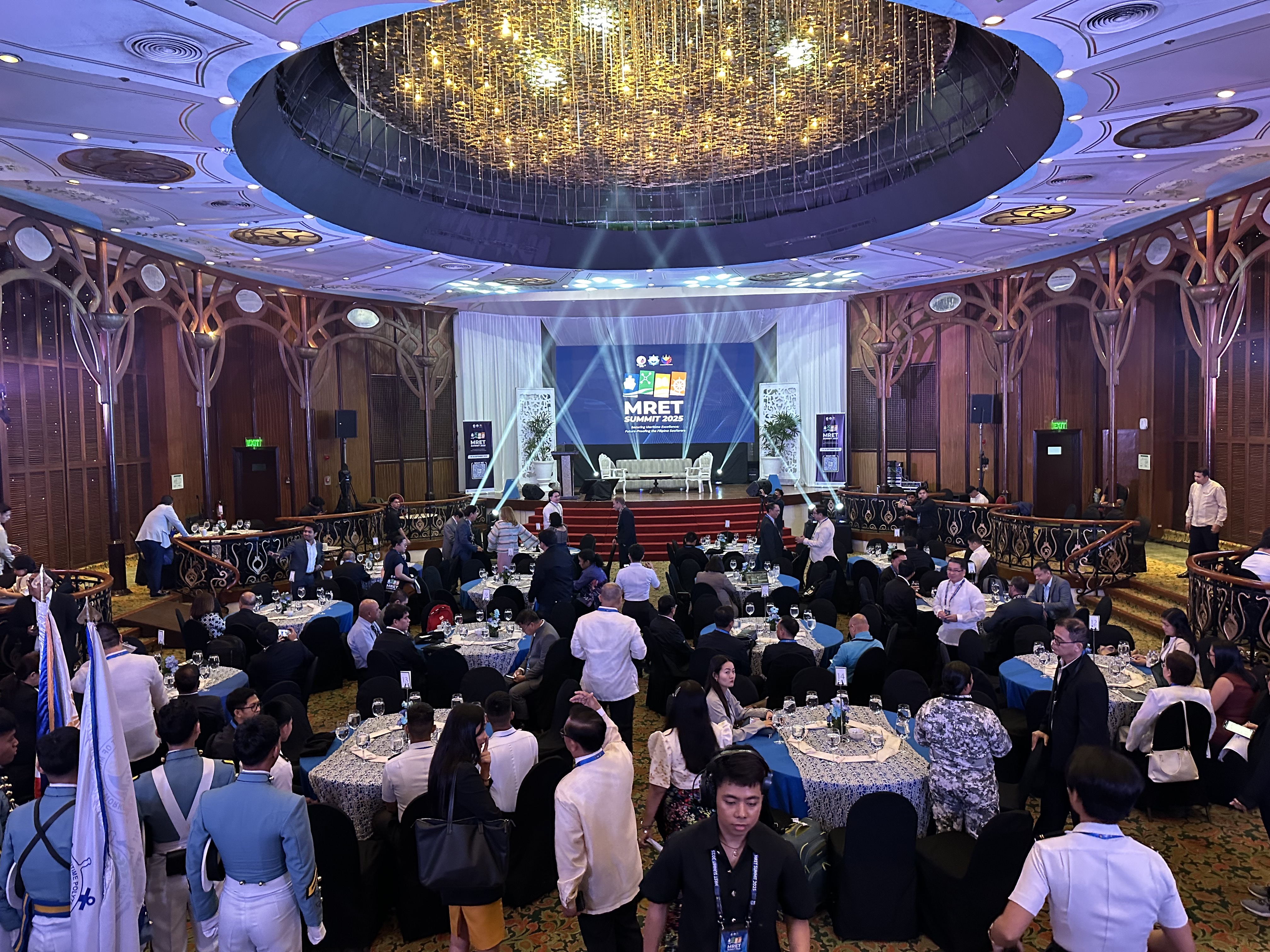
The summit began with a dignified opening ceremony at the Manila Hotel. Mr. Victor Del Rosario (ED, DMW–NMP) delivered welcome remarks and presented participants, followed by Ms. Mayla Macadawan introducing the Guest of Honor. H.E. Christian Halaas Lyster, Royal Norwegian Ambassador, underscored Norway’s enduring maritime partnership with the Philippines. Asec. Atty. Jerome T. Pampolina delivered the keynote, stressing collaboration, innovation, and stronger policies. Messages of support from Hon. Bryan Revilla and Hon. Johanne Monich Bautista further reinforced government and legislative commitment to empowering Filipino seafarers and future-proofing the workforce
Session 1: Emerging Global Trends in Shipping
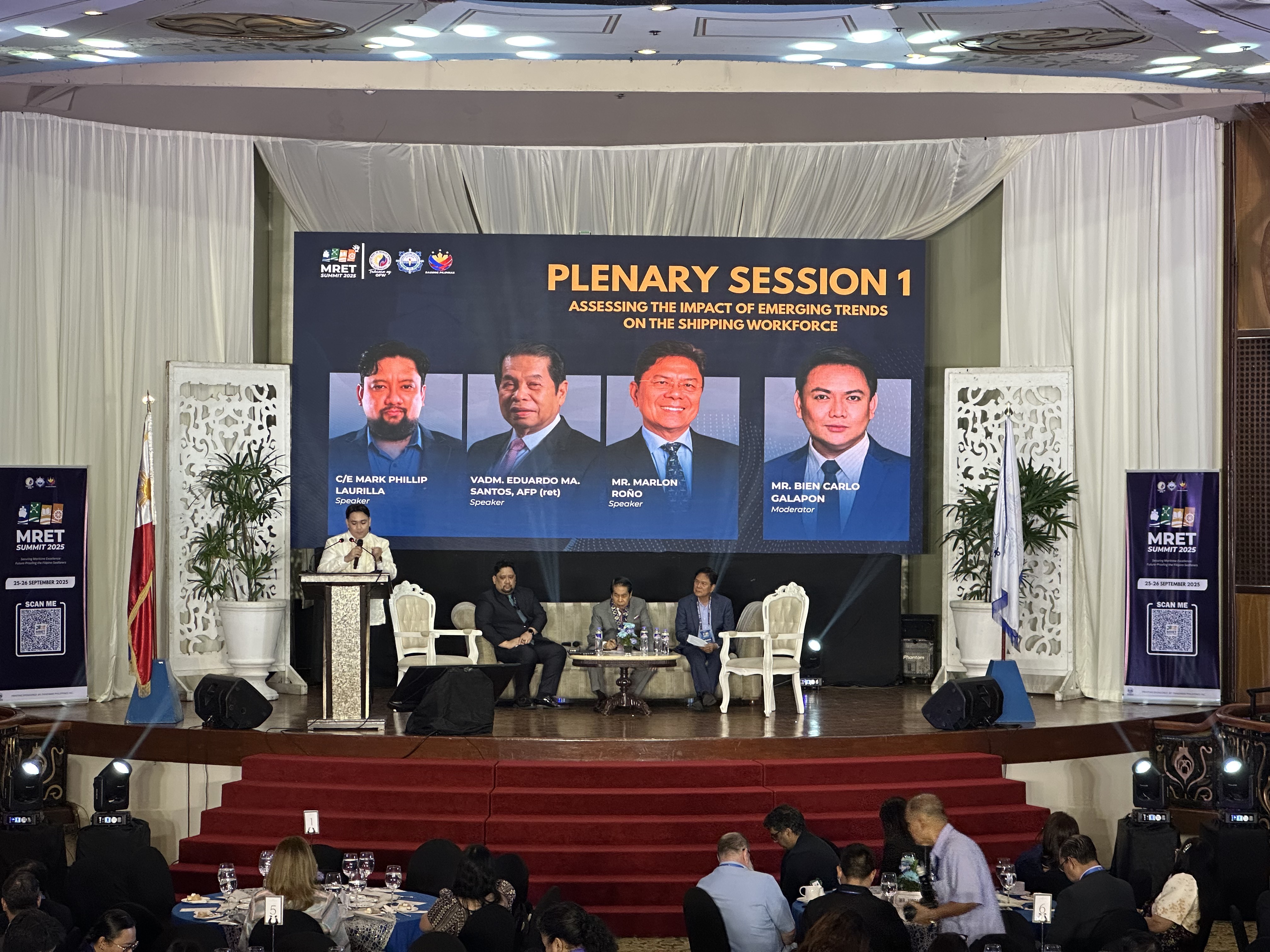
Plenary Session 1 tackled pressing global shifts affecting the shipping workforce. C/E Mark Philip Laurilla (PHILCAMSAT) spoke on decarbonization and a just transition for seafarers. Vadm. Eduardo Ma. R. Santos (MAAP) presented how digitalization and automation drive innovation, while Mr. Marlon Roño (PJMCC) addressed the impacts of changing global trade patterns. Moderated by Mr. Bien Carlo Galapon , the panel emphasized that Filipino seafarers must adapt quickly to technological disruptions, environmental regulations, and global market demands to remain competitive. The discussions urged alignment of training and policies with these fast-evolving industry shifts

ADVERTISEMENT
Session 2: Addressing Workforce and Skills Shortages
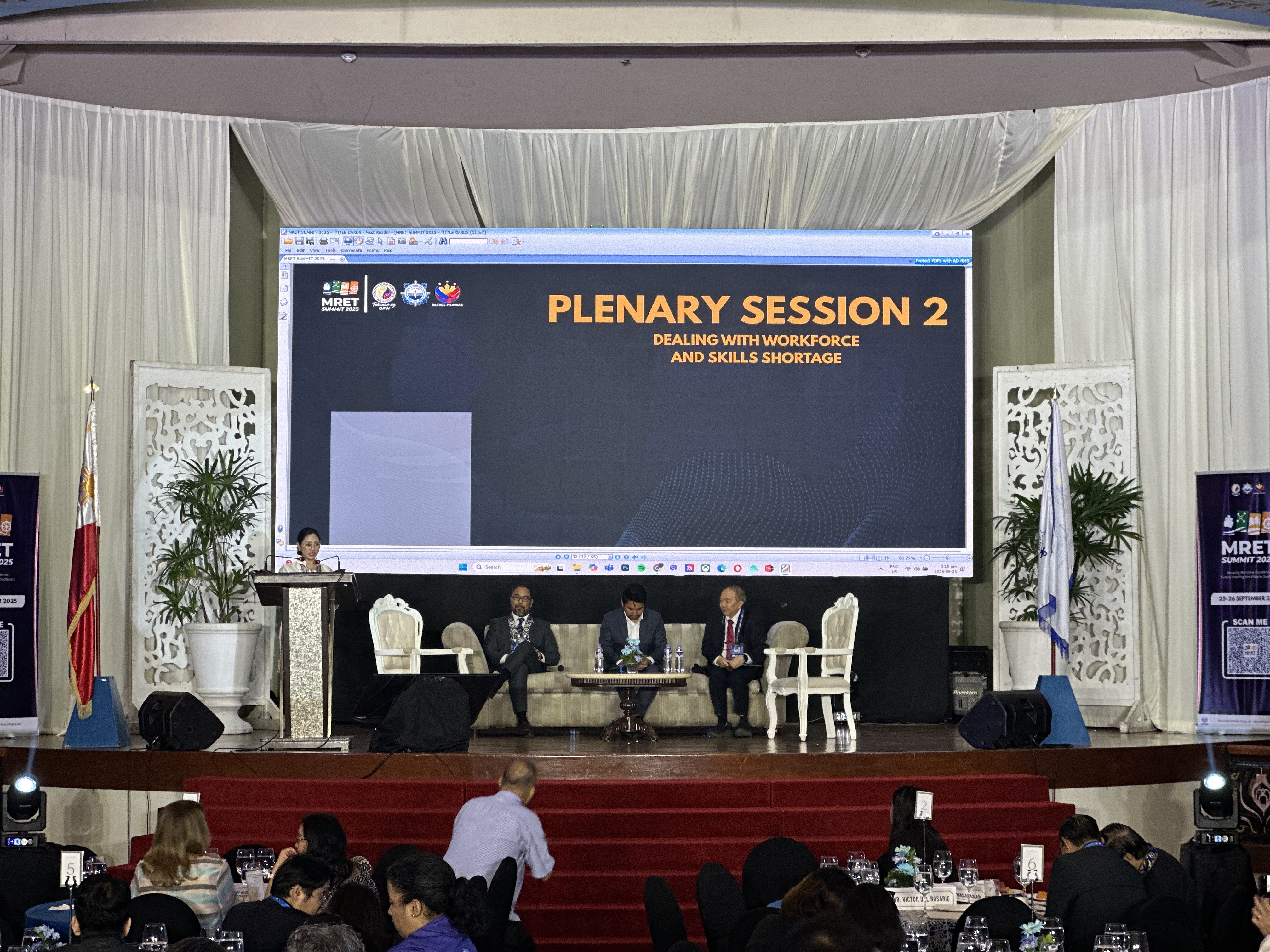
The second plenary session centered on workforce gaps and skills shortages threatening the maritime industry’s sustainability. Mr. Michael Esplago (WIMAS) outlined challenges in onboard training delivery, while Engr. Felix Oca (MAAP) emphasized the urgent need for engineering and technical expertise. A forthcoming presentation by the Marshall Islands will focus on implementing MET standards and compliance. Moderated by Ms. Yashika Torib, the session underscored the need to strengthen industry-academe linkages, improve training programs, and ensure regulatory readiness to meet the international shipping industry’s growing expectations of Filipino seafarers
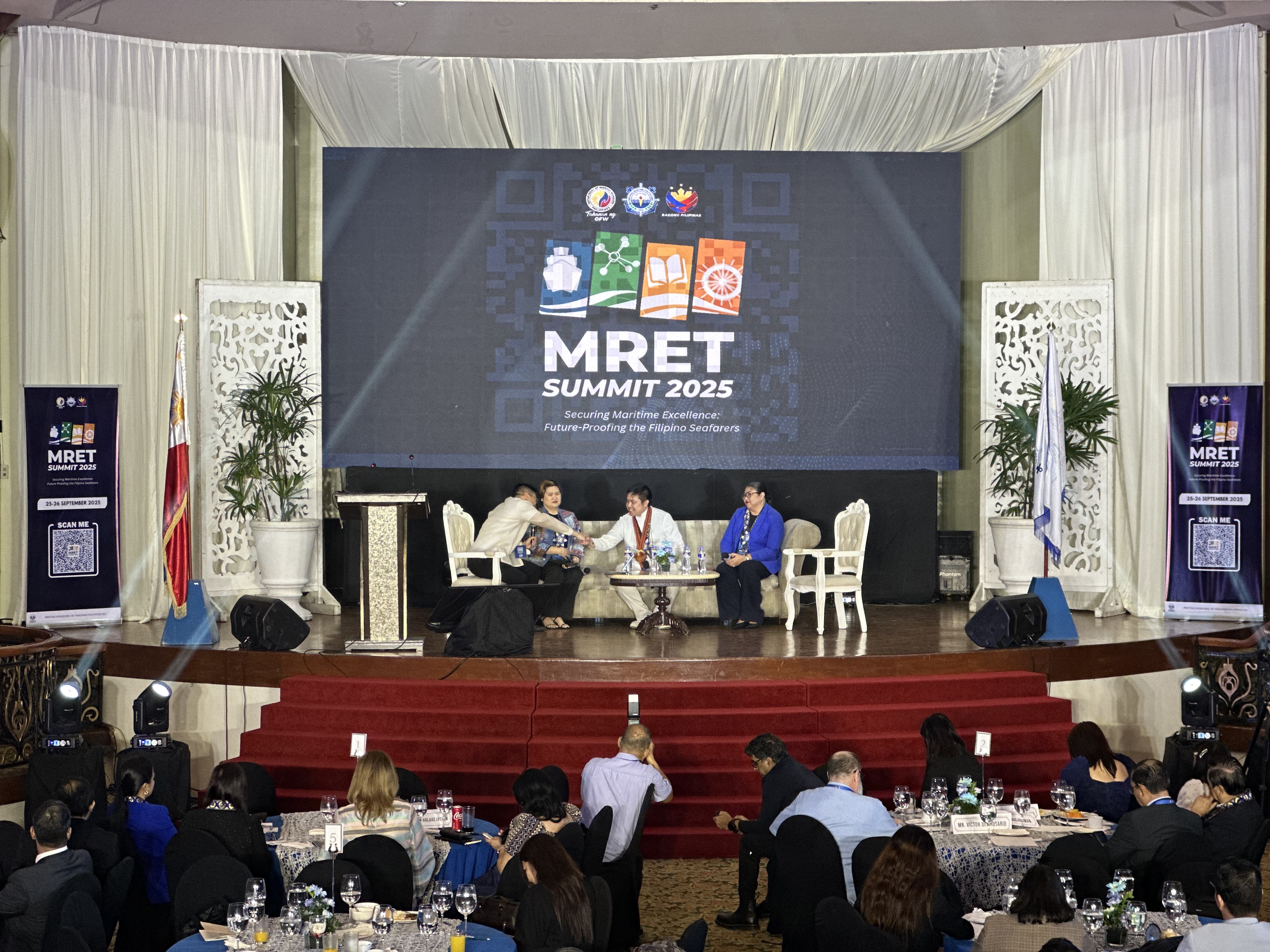
Session 3: Seafarer Welfare and Human Sustainability
Human-centered issues were at the forefront in Session 3. Mr. Marville Espago (ISWAN) shared insights on boosting seafarers’ mental health and wellness. Ms. Michelle Makasiar (Maritime Leaders Academy) tackled bullying and harassment, calling for stronger prevention systems onboard. A forthcoming presentation by Maersk will highlight competitive welfare packages to attract and retain talent. Moderated by Capt. Teri Odal, the session highlighted that addressing welfare is not only a moral imperative but also essential to ensuring the sustainability and attractiveness of seafaring careers amid global labor shortages
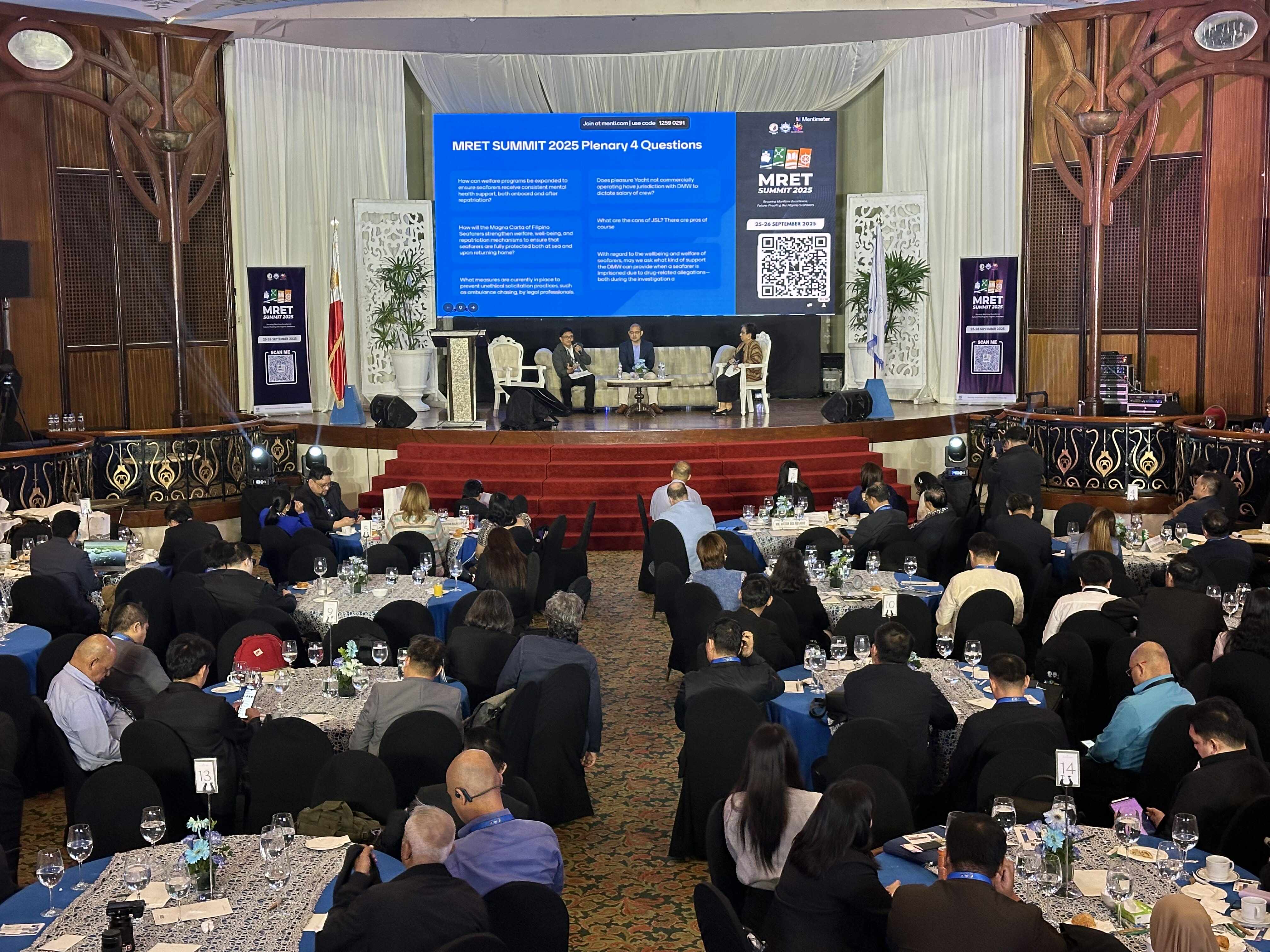
Session 4: The Magna Carta and Reintegration Pathways
Atty. Francis Ron De Guzman elaborated on reintegration initiatives that provide economic and livelihood opportunities for returning seafarers. Ms. Mi Zhou, PhD (ILO Ship to Shore Rights SEA) provided international perspective on migrant fishers in the UK, exposing their vulnerabilities. Moderated by Atty. Brenda Pimentel, the session linked legislation and reintegration as pillars of sustainable maritime workforce development

ADVERTISEMENT
Fellowship and Networking: Building Bridges Beyond Sessions
Day 1 concluded with a fellowship gathering that gave delegates opportunities to connect informally, share experiences, and explore collaborations beyond the plenary halls. The relaxed environment fostered dialogue between government leaders, shipping companies, training providers, and welfare organizations. It also served as a bridge to tomorrow’s Day 2 workshops, where participants will transform today’s discussions into practical action plans. The fellowship reaffirmed the summit’s collaborative spirit, reminding all stakeholders that securing maritime excellence requires synergy across all sectors of the industry