MARINO PH
Your Maritime Digital Hub

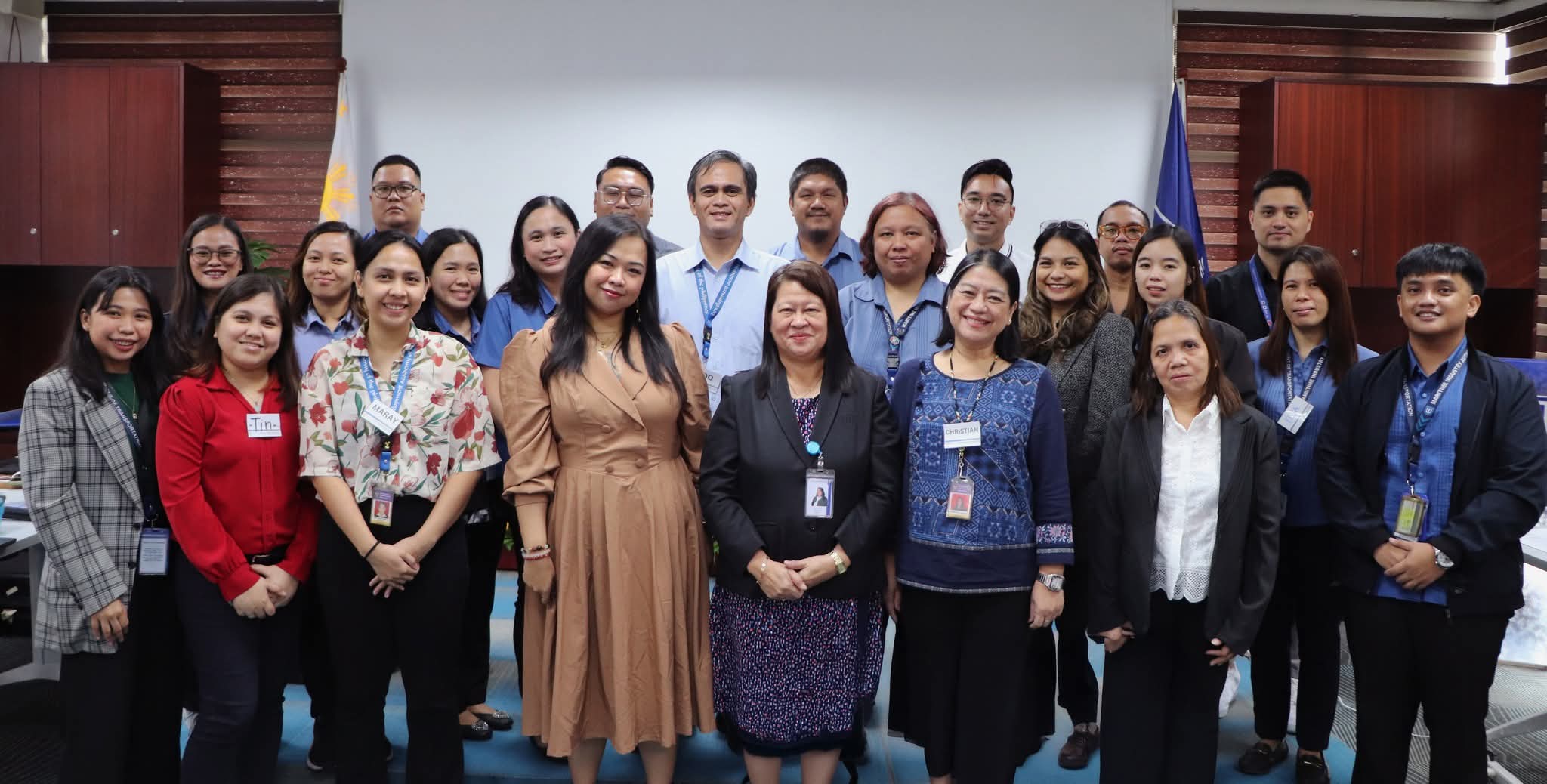
PHOTO COURTESY: MARINA
The Maritime Industry Authority (MARINA), in partnership with the Development Academy of the Philippines (DAP), successfully conducted a week-long Regulatory Process Mapping Workshop from September 15 to 19, 2025. The initiative is part of MARINA’s ongoing efforts to enhance its regulatory framework, ensuring that maritime policies are developed with transparency, evidence, and active stakeholder participation.
The five-day workshop brought together officials and representatives from MARINA’s various service units to review and carefully map the agency’s regulatory processes. The exercise covered the entire cycle of regulation—from development and amendment of policies to monitoring, evaluation, and feedback. By identifying the connections between management, core, and support functions, MARINA aims to streamline operations and reduce overlaps, thereby crafting rules that are clear, effective, and implementable.
Deputy Administrator for Planning Nenita S. Atienza highlighted the workshop’s importance, stressing that the outputs will serve as the foundation for MARINA’s forthcoming Regulatory Impact Assessment (RIA) Manual. “Through this Workshop on Regulatory Process Mapping, we will outline the interfaces of our management, core, and support processes in relation to developing, implementing, monitoring, and evaluating regulations. The output of this undertaking will serve as a pivotal tool as we draft our MARINA RIA Manual which will help the Administration to formulate regulations that are transparent, evidence-based, and participatory,†she said.
The workshop was facilitated by resource experts from DAP, including Mr. Amado Bonifacio L. Alto, Ms. Lea S. Peralta, Ms. Mary Rose Ann S. Fariscal, Mr. Christian S. Eparwa, and Ms. Adelina D. Alvarez. They guided MARINA participants through the step-by-step process of regulatory mapping, sharing insights on best practices, systematic evaluation, and the application of evidence-based approaches to policy formulation.

MARINA BUILDING
According to the DAP team, regulatory mapping is not merely an administrative tool but also a governance mechanism that promotes accountability and inclusiveness. By clearly identifying each step in the regulatory process, agencies such as MARINA can better manage risks, address gaps, and ensure that new regulations reflect the needs of stakeholders, including seafarers, shipowners, training institutions, and the general public.
The workshop’s outputs will be consolidated into the MARINA RIA Manual, which will serve as a guide for future policy-making. Once completed, the manual is expected to institutionalize a more structured approach to drafting regulations, supported by data analysis and stakeholder consultation. This is in line with MARINA’s mandate to promote safe, efficient, and sustainable maritime transport while protecting the welfare of Filipino seafarers.
For MARINA, the activity also represents a step toward aligning with international standards of good governance and regulatory practices. With the Philippines being one of the world’s top providers of maritime manpower, regulatory credibility is crucial in maintaining the country’s position in the global shipping industry.

ADVERTISEMENT
By working closely with DAP, MARINA seeks to demonstrate its commitment to continuous improvement and reform. The agency believes that transparent and evidence-based regulation will not only strengthen compliance and enforcement but also build greater trust among stakeholders in the maritime sector.
As the agency moves forward with the drafting of the RIA Manual, MARINA reaffirms its dedication to a future where maritime policies are accountable, inclusive, and anchored on service to the Filipino seafarer.
