MARINO PH
Your Maritime Digital Hub

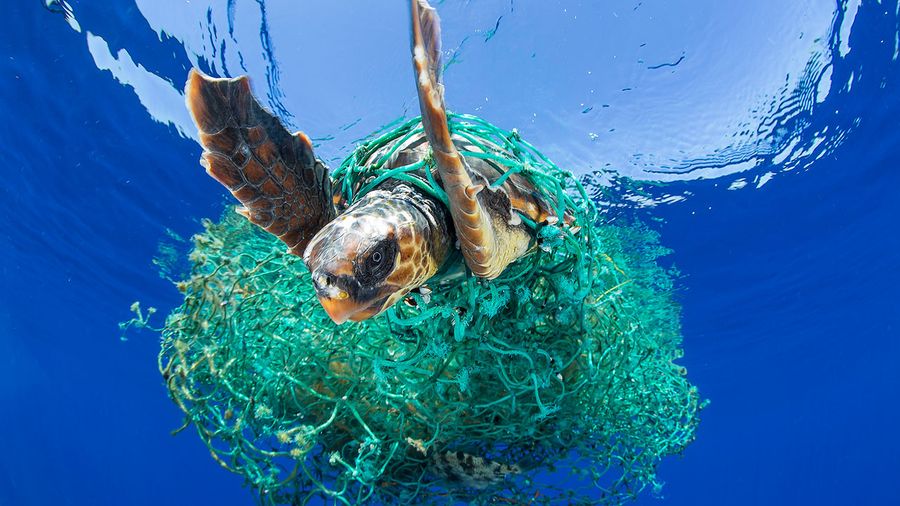
Photo Courtesy: The Ocean Clean Up
The International Convention for the Prevention of Pollution from Ships, 1973, as modified by the Protocol of 1978, more commonly referred to as MARPOL 73/78, is the primary international agreement developed by the International Maritime Organization to prevent pollution of the marine environment from ships. Adopted in response to growing concern over oil spills and vessel discharges in the 1970s, it has since evolved into a comprehensive framework that addresses multiple forms of ship-source pollution. Together with SOLAS, MARPOL is regarded as one of the twin pillars of international maritime law, protecting both human life and the natural environment.
MARPOL applies to all ships, though its requirements vary depending on size, type, and operation. Compliance is ensured through certification by flag states, enforcement by port state control, and the application of special provisions for designated “special areas†and “emission control areas†where stricter rules apply. Over the years, the Convention has grown through six technical annexes, each dedicated to a specific category of pollution. These annexes are the foundation of MARPOL and remain central to its implementation.
Annex I addresses the prevention of pollution by oil. It includes requirements for double-hulled oil tankers, oil discharge monitoring and control systems, oily water separators, and record books. It is one of the most detailed annexes, reflecting the seriousness of oil pollution incidents.
Annex II concerns the control of pollution by noxious liquid substances carried in bulk. It establishes categories for chemicals, prewash procedures, and restrictions on discharges, requiring chemical tankers to operate under strict safety and environmental standards.
Annex III regulates the prevention of pollution by harmful substances carried by sea in packaged form. It is closely linked to the International Maritime Dangerous Goods (IMDG) Code, ensuring labeling, packaging, and documentation are standardized.
Annex IV covers the prevention of pollution by sewage from ships. It requires ships to install approved sewage treatment plants or holding systems and regulates discharges into the sea, particularly in designated sensitive areas.
Annex V deals with the prevention of pollution by garbage from ships. It prohibits the discharge of plastics, restricts the disposal of other wastes, and requires vessels to maintain garbage management plans and record books. This annex has been strengthened repeatedly to reflect the global urgency of reducing marine litter.
Annex VI addresses the prevention of air pollution from ships. It limits emissions of sulfur oxides (SOx) and nitrogen oxides (NOx), regulates fuel oil quality, prohibits ozone-depleting substances, and introduces greenhouse gas reduction measures such as the Energy Efficiency Design Index (EEDI), Ship Energy Efficiency Management Plan (SEEMP), and the Carbon Intensity Indicator (CII). It also establishes Emission Control Areas where more stringent standards apply.
Recent amendments highlight MARPOL’s responsiveness to modern environmental challenges. In 2024, Annex I was updated to require improved oil discharge monitoring equipment, while Annex II introduced expanded prewash obligations in the Baltic and North Sea to reduce chemical residues. Annex IV tightened sewage effluent standards, and Annex V expanded garbage management requirements to smaller ships and reinforced prohibitions on plastics. Annex VI amendments in 2024 introduced stricter nitrogen oxide limits for new engines and strengthened rules for ships using alternative fuels, ensuring adequate fire protection and fuel distribution systems in parallel with the IGF Code.
By 2025, MARPOL continues to advance global decarbonization and environmental protection objectives. Annex VI now mandates enhanced monitoring and verification of the Carbon Intensity Indicator, requiring ships to achieve satisfactory efficiency ratings or adopt corrective action plans. This step places greater responsibility on shipping companies to reduce operational emissions. Electronic record books for oil, garbage, and cargo handling operations are increasingly being accepted in place of paper logs, reflecting the shift toward digital compliance and reducing administrative burdens. New reporting obligations for lost containers at sea, coordinated with parallel SOLAS amendments, will also apply from 2026, ensuring faster notification to authorities and minimizing environmental and navigational hazards. Annex III, through updates aligned with the IMDG Code, further enhances labeling and documentation for harmful substances in packaged form.
These updates underline MARPOL’s role as a living instrument that evolves in response to both long-standing pollution risks and emerging challenges such as climate change, marine litter, and the transition to alternative fuels. The integration of greenhouse gas measures under Annex VI,
